
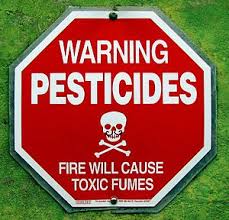
 Cancer is feared by all. It seems to strike randomly, but not always. Certain cancers that occur in both children and adults, such as brain cancer and leukemia, are linked with some commonly used pesticides. Exposures to these pesticides occur many ways - whether from nearby farm use, or in foods or the water we drink, or air (pesticide drift), or residential use (e.g., the weed killer 2,4-D on lawns). Exposure is typically not to just 1 harmful chemical, but to mixtures of pesticides, especially on farms.
Children are especially vulnerable to pesticides. Research shows that there is an increase in some cancers in children in farm areas (e.g., Nebraska and the US midwest) where pesticides are heavily used. A recent study by Dr. Taiba and colleagues found that in Nebraskan counties with heavy farm pesticide use (especially Holt county) children living there had an increase not just in "overall pediatric cancers", but in specific types of cancers. These cancers included brain and other central nervous system tumors, leukemia, and lymphoma.
Keep in mind that in the US millions of pounds of pesticides are used each year, with farm areas having the heaviest use. Dr. Taiba reported that the US is the #1 country in the world in pesticide use. Among the most heavily used in the Nebraskan farms are atrazine, 2,4-D, glyphosate, dicamba, paraquat.
But don't ignore residential use of pesticides. Many of the same pesticides, such as glyphosate and 2,4-D, are commonly used in residential areas, especially for weed and insect control. Feed and Weed, which is used on lawns for weed control, contains 2,4-D. Pesticides have harmful effects on humans, and yet pesticide use is increasing annually.
From Beyond Pesticides: Dire Pediatric Cancer Risk Linked to Pesticide Mixtures, Laws To Protect Children Found To Be Lax
Childhood cancers are on the rise globally; in the U.S. cancer is the second most common cause of death in children between one and 14 years old, and the fourth most common in adolescents. A recent study of Nebraska pesticide use and pediatric cancer incidence by researchers from the University of Nebraska Medical Center and the University of Idaho Department of Fish and Wildlife Sciences found positive associations between pesticides and overall cancer, brain and central nervous system cancers, and leukemia among children (defined as under age 20). ...continue reading "Pesticides and Pediatric Cancers"