
 Women are concerned about breast cancer, especially with the cancer rates increasing each year. Many wonder if chemicals in the environment are contributing to breast cancer incidence, and whether there are ways to prevent breast cancer.
A recent study looked at 920 chemicals that can increase breast cancer risk, and found that exposure to breast cancer promoting chemicals is everywhere. The researchers found that 485 chemicals used in pesticide products, including common consumer goods (e.g., insect repellents, sanitizing products), are linked to breast cancer. Additionally, about 462 of the chemicals have been detected in food, 162 in drinking water, 142 in pharmaceuticals, and 106 in building (construction) materials.
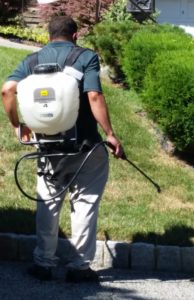
The breast cancer chemical list includes both active ingredients found in pesticides and inert ingredients (which typically are not listed on labels, but can be just as harmful). It includes pesticides used in conventional (non-organic) farming, in outdoor lawn and garden pesticides, pesticides meant for indoor use, lice treatments for children and adults, and flea and tick treatments on pets.
Keep in mind that pesticides applied to crops leave residues, which means they eventually wind up in the foods we eat. And yes, this is why most Americans have detectable pesticides in their bodies (typically blood and urine is tested as part of biomonitoring).
In case you're wondering, the US EPA is not doing a good a job of regulating pesticides and protecting residents of the US - due to persons from the chemical industry or with ties to the pesticide industry (e.g., industry lobbyists) in EPA leadership. And also because laws protecting us have been significantly weakened in the last few years.
Some pesticides banned throughout much of the world (due to their health and environmental risks) are heavily used in the U.S. Noted examples: Atrazine (over 76 million pounds used annually in the US) and paraquat (over 10 million pounds used annually in US).
Bottom line: Try to buy and eat untreated or organic foods. Use unscented or fragrance-free products whenever possible (whether personal care products or cleaning products). Try to avoid using products that say they are "antimicrobial" or "antibacterial". Use least-toxic Integrated Pest Management (IPM) or organic pest control (whether for insects or weeds) both indoors and outdoors.
From The Guardian: New research finds 485 chemicals in US pesticide products linked to breast cancer
New research has identified at least 485 chemicals used in US pesticide products that are linked to breast cancer, raising questions about the safety of food and other products at a time when early onset breast cancer rates are surging worldwide. ...continue reading "Almost 500 Chemicals In Pesticide Products Linked to Breast Cancer"