
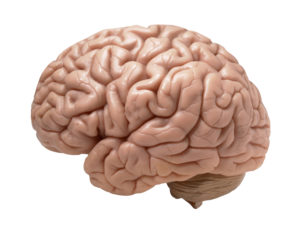
 Could it be that rescue boat crews (surf rescuers) can suffer with brain damage from constant or frequent exposure to very high waves? And that this is being ignored by the Coast Guard? The answer is YES - brain damage is occurring and it is not being acknowledged by the US Coast Guard.
The NY Times just published a very interesting article about this issue. Highly trained elite rescuers rescue people in the roughest seas - which involves driving lifeboats multiple times each day through crashing waves as high as 25 feet, which they describe as similar to "being in a car crash". The rescuers go through training and rescues for years. But now many are reporting neurological issues typical of brain injuries, including headaches, memory problems, cognitive problems, anxiety attacks, and mood swings.
But only from questioning by NY Times reporters has the Coast Guard finally admitted: "brain injuries caused by impacts with waves were an emerging concern". But so far the Coast Guard has not studied the "hazard that waves may pose to the brain and knows little about the force of the hits or the consequences of years of exposure".
Excerpts from NY Times: Rescue Boat Crews Show Signs of Brain Injuries, but Coast Guard Isn’t Looking
Brett Bonner saved hundreds of lives during 21 years on rescue boats in the Coast Guard. When he died, his teenage daughter Kayleigh wondered why he couldn’t save his own.
He was a big, gregarious man who seemed able to handle anything. But as Kayleigh grew up, she watched him slowly fall apart. First came headaches. Then sleeplessness. His memory frayed and his moods turned raw. ...continue reading "Rescue Boat Crews And Brain Injuries From Years of Crashing Through High Waves"
