
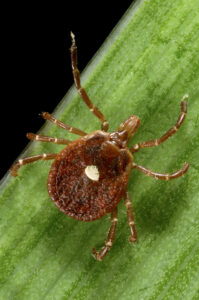
Tick bites from the lone star tick are increasingly resulting in the alpha-gal syndrome in the United States. This syndrome results in an intense delayed allergic response to red meat (beef, pork, and lamb), dairy products, and gelatin. Researchers have now found another common food ingredient that may cause an allergic response in those with the syndrome: carrageenan.
Carrageenan is derived from seaweed and is a commonly used emulsifier in foods and an ingredient in medications. A recent study of 562 individuals with self-reported alpha-gal syndrome found that about 11% reported an allergic response to carrageenan.
Following up on this in larger groups of people (how pervasive is carrageenan allergy in alpha-gal syndrome?) will be interesting. Many drugs don't report ingredient lists, and how many people actually read food ingredient lists? Unfortunately, someone trying to avoid dairy products due to alpha-gal syndrome may instead eat non-dairy ice cream - which contains carrageenan (as a thickener)!
From Medscape: Carrageenan: A Potential Allergen for Patients With Alpha-Gal Syndrome
Carrageenan is the second most commonly self-reported allergy by individuals with alpha-gal syndrome, surpassing nearly all other alpha-gal-containing food allergens, according to a research poster presented at the American Academy of Allergy, Asthma & Immunology (AAAAI) 2026 Annual Meeting. ...continue reading "Carrageenan May Be A Problem In Those With Red Meat Allergies Caused By Tick Bites"
 Most Americans eat highly processed or ultra-processed foods every single day, with most of their daily calories from them! There are all sorts of health risks from these foods, with a recent study finding an overall increased risk of cancer, as well as prostate and breast cancer.