
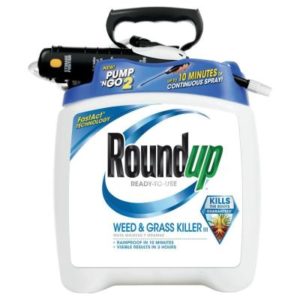
 New research shows that the most applied pesticide in the world - glyphosate - is being detected in more and more foods (such as honey, wheat). Glyphosate is a herbicide (weed killer) found in the product Roundup. Its use is increasing annually due to its use on crops genetically engineered to tolerate applications of the herbicide ("Roundup Ready" corn, soybeans, canola).
The latest news is that glyphosate residues are found in oat products, including baby cereals. The FDA (Food and Drug Administration) only started testing this year for glyphosate residues in foods (see post), but they may already be slowing down testing - because they are already talking about shutting down one of the testing labs (tested honey). There are various health concerns about glyphosate and its residues in foods, including that it is a probable carcinogen and a biocide that may disrupt the bacteria of the human gut. What are the long-term health implications of constantly (daily) eating foods with pesticide residues such as glyphosate? No one knows, but it is concerning. Yes, individual foods have low levels, but we're ingesting the pesticide residue in many foods every day - thus chronic exposure. And yes, studies show that it is found in our urine (one European study found it in 100% of people tested)
Note that Monsanto (producer of the glyphosate product Roundup) also encourages farmers to apply Roundup right before harvest as a "preharvest dessicant" to non-genetically modified crops, which also increases the odds that residues will be found in food. (Look at the preharvest application guide from Monsanto for oats and some other crops). What can one do? Buy organic foods - because glyphosate is not allowed to be used in organic farming. From the investigative journalist Carey Gillam's article for Huffington Post:
FDA Tests Confirm Oatmeal, Baby Foods Contain Residues of Monsanto Weed Killer
The U.S. Food and Drug Administration, which is quietly starting to test certain foods for residues of a weed killing chemical linked to cancer, has found the residues in a variety of oat products, including plain and flavored oat cereals for babies.
Data compiled by an FDA chemist and presented to other chemists at a meeting in Florida showed residues of the pesticide known as glyphosate in several types of infant oat cereal, including banana strawberry- and banana-flavored varieties. Glyphosate was also detected in “cinnamon spice” instant oatmeal; “maple brown sugar” instant oatmeal and “peach and cream” instant oatmeal products, as well as others. In the sample results shared, the levels ranged from nothing detected in several different organic oat products to 1.67 parts per million, according to the presentation.
Glyphosate, which is the key ingredient in Monsanto Co.’s Roundup herbicide, is the most widely used weed killer in the world, and concerns about glyphosate residues in food spiked after the World Health Organization in 2015 said a team of international cancer experts determined glyphosate is a probable human carcinogen. Other scientists have raised concerns about how heavy use of glyphosate is impacting human health and the environment.
The EPA maintains that the chemical is “not likely” to cause cancer, and has established tolerance levels for glyphosate residues in oats and many other foods. The levels found by the FDA in oats fall within those allowed tolerances, which for oats is set by the EPA at 30 ppm. The United States typically allows far more glyphosate residue in food than other countries allow. In the European Union, the tolerance for glyphosate in oats is 20 ppm.
Monsanto, which derives close to a third of its $15 billion in annual revenues from glyphosate-based products, has helped guide the EPA in setting tolerance levels for glyphosate in food, and in 2013 requested and received higher tolerances for many foods. The company has developed genetically engineered crops designed to be sprayed directly with glyphosate. Corn, soybeans, canola and sugar beets are all genetically engineered to withstand being sprayed with glyphosate.
Oats are not genetically engineered. But Monsanto has encouraged farmers to spray oats and other non-genetically modified crops with its glyphosate-based Roundup herbicides shortly before harvest. The practice can help dry down and even out the maturity of the crop. “A preharvest weed control application is an excellent management strategy to not only control perennial weeds, but to facilitate harvest management and get a head start on next year’s crop ” according to a Monsanto “pre-harvest staging guide.” Glyphosate is also used on wheat shortly before harvest in this way, as well as on other crops. A division of the U.S. Department of Agriculture....has been testing wheat for glyphosate residues for years for export purposes and have detected the residues in more than 40 percent of hundreds of wheat samples examined in fiscal 2009, 2010, 2011 and 2012.
Even though the FDA annually examines foods for residues of many other types of pesticides, it has skipped testing for glyphosate residues for decades. It was only in February of this year that the agency said it would start some glyphosate residue analysis. That came after many independent researchers started conducting their own testing and found glyphosate in an array of food products, including flour, cereal, and oatmeal. Monsanto and U.S. regulators have said glyphosate levels in food are too low to translate to any health problems in humans. But critics say such assurances are meaningless unless the government actually routinely measures those levels as it does with other pesticides. And some do not believe any level of glyphosate is safe in food.
In addition to oats, the FDA also earlier this year tested samples of U.S. honey for glyphosate residues and found all of the samples contained glyphosate residues, including some with residue levels double the limit allowed in the European Union, according to documents obtained through a Freedom of Information Act request. The EPA has not set a tolerance level for glyphosate in honey, so any amount is problematic legally....the FDA did not notify the honey companies involved that their products were found to be contaminated with glyphosate residues, nor did it notify the public. The FDA has also tested corn, soy, eggs and milk in recent months, and has not found any levels that exceed legal tolerance, though analysis is ongoing.