Skip to content

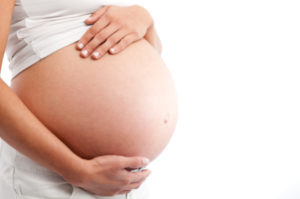
It is known that temperature during pregnancy can have an effect on the number of male vs female babies born (the sex-ratio) among animals. An interesting study suggests that this is also true for humans.

The study found that exposure to days with a temperature 20 degrees Celsius (68 degrees Fahrenheit) or higher during the nine months of pregnancy leads to fewer male births. While at first glance that doesn't seem so warm, these areas also had days 30 degrees Celsius (86 degrees Fahrenheit) and higher.

The study was done by linking data on 5 million live births in 33 sub-Saharan countries and India with temperature data. The researchers observed fewer male births after high first-trimester temperature exposure. This was consistent with increased spontaneous abortions due to mother's heat stress. This is especially true for mothers in rural areas, with little education. (No air conditioning!)

From Euronews: As temperatures rise, the number of male births is decreasing, study finds

When temperatures rise above 20°C, fewer baby boys are born compared to girls, a new study has found.

Researchers at the University of Oxford found that heat exposure can increase prenatal mortality in early pregnancy, particularly among males.

...continue reading "Study Finds Fewer Boys Born After Pregnancy Heat Stress"

Thermometer Credit: Wikipedia

It turns out that older women are more susceptible to high heat and humidity then older men. Older women feel it more! (In science speak: women are physiologically more vulnerable to high heat and humidity, that is, heat stress vulnerability)

Researchers found that middle-aged and older women were affected by heat at lower temperature and humidity combinations than middle-aged and older men. Women between the ages of 40 and 64 are as vulnerable as men 65 years and older. The researchers said that biological sex (male or female) and age appear to be the primary drivers of heat vulnerability among healthy people.

There were no differences in heat vulnerability between male and female younger adults. Also, fitness of individuals made very little difference in heat vulnerability.

Researchers tested the heat thresholds (combined heat and humidity) of 72 participants between the ages of 42 and 92 years in a specialized environmental chamber. Participants swallowed a special device which measured their core temperature throughout the experiment. NOTE: When core temperatures rise, people are more vulnerable to heat exhaustion, heat stroke, and even death.

From Science Daily: Older women more vulnerable to heat than their male peers, researchers find

As global climate change causes extreme heat waves to become more common around the world, epidemiological studies have shown that heat kills more women than men. Now, a new study by researchers at Penn State has found that older women are physiologically more vulnerable to high heat and humidity than older men, and that women between the ages of 40 and 64 are as vulnerable as men 65 years of age or older. This is the first study to determine this disparity exists due to physiological differences rather than because women live longer than men -- leaving a larger population of older women than older men. ...continue reading "Older Women Are More Vulnerable to High Summer Heat"