
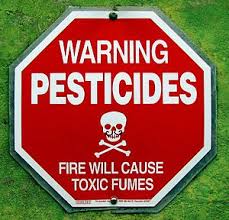
 Once again, a pesticide banned in many other countries due to its harmful effects on humans and the environment, is allowed to be used in the US. The incredibly dangerous pesticide paraquat is banned in more than 70 countries, including China (where it is made), but not the US. Paraquat (paraquat dichloride) is a highly toxic weed killer used by farmers.
Many studies and farmers themselves report that paraquat causes Parkinson's disease. Currently there are thousands of lawsuits against Syngenta, the manufacturer, and Chevron USA (the seller). [NOTE: Of course Syngenta denies any link between paraquat exposure and Parkinson's disease.] The US Geological Survey reports that between 11 million and 17 million pounds of paraquat are sprayed annually on American farms. But here's the crazy part: use of the pesticide in the US is increasing annually. WTH?
By the way, Parkinson’s disease is the fastest growing neurological disorder in the world, with about 90,000 new cases diagnosed each year in the US. A number of pesticides are linked with the increase, with the link between paraquat and Parkinson's disease known since the 1980s (by research done by independent researchers). Evidence is growing that it's not just direct exposure (contact with it), but also chronic low level exposure that is linked to Parkinson's disease (e.g., living near a farm - thus inhalation of low levels in the air).
What will it take to ban the use of paraquat in the US? (Yes, there are alternatives to paraquat.) Doesn't look likely in the near future. In fact, the chemical/pesticide industry is trying to pass state and federal laws that would protect pesticide manufacturers from liability.
Excerpts from an investigative piece. From nj.com news: Thousands of U.S. farmers have Parkinson’s. They blame a deadly pesticide.
Paul Friday remembers when his hand started flopping in the cold weather – the first sign nerve cells in his brain were dying.
...continue reading "The Link Between Parkinson’s Disease and the Pesticide Paraquat"
 Over the course of the past decade, while reading many, many studies and articles about the FDA and EPA (you know, the government agencies meant to protect us) I have become cynical. And depressed. The agencies are not doing a good job protecting ordinary people (us), especially from endocrine disruptors and pesticides. There is too much corruption and too much money involved, with the bottom line being that Big Business is protected and does as it wants.