
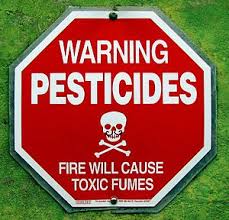
 There was a huge blow to anyone concerned with hidden (by pesticide manufacturers) health effects of pesticides this week. Senate Republican members of the Senate Farm Appropriations Committee voted down an amendment to the Senate farm bill that would have enabled lawsuits against pesticide manufacturers when pesticide health effects and harms are revealed.
The amendment, which was proposed by Senator Booker, also stated that if a product causes cancer, it should be on the pesticide label.
The only good news is that the farm bill did not advance out of committee this week. But it will reconsider the farm bill in September. If the farm bill passes as it is written, only what is on pesticide labels can be acknowledged - and it generally just talks about immediate acute effects, such as skin irritation.
Cancer, neurological harms, effects on the fetus, long-term harms, etc. are typically not on pesticide labels, even if pesticide companies know of harmful health effects (hiding harmful effects is called "failure to warn"). Basically, not allowing consumers to sue pesticide companies is a screw you to Americans.
And yes, the voting was along party lines - Republicans don't want us to be able to sue if health harms are found, while Democrats voted to preserve the right to sue.
From The Hill: Republicans vote down farm bill amendment enabling lawsuits against pesticide companies, a blow to MAHA
Senate Republicans on Thursday voted down an amendment that sought to open up Americans’ ability to sue pesticide companies over the health impacts of their products. ...continue reading "The Farm Bill and Pesticide Liability"
 More than 30 current US government officials are on the membership list, most of whom are from the US Department of Agriculture (USDA). At the least, this is a conflict of interest.