
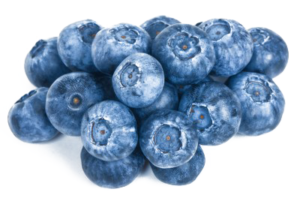
 Some foods appear to have especially powerful health benefits. Berries are very beneficial, especially blueberries. (Or at least they have been studied more than other berries.) A recent study found that frequent or daily consumption of wild blueberries is especially beneficial for cardiometabolic health, including vascular health.
Blueberries contain lots of fiber, polyphenols (which have powerful effects on vascular health), antioxidants, flavonoids (anthocyanins), and micronutrients. Wild blueberries have more of all these compared to farmed blueberries. Blueberries are especially beneficial for vascular health because they reduce inflammation and vascular dysfunction.
Bottom line: Researchers suggest eating daily half a cup to one cup blueberries, especially wild blueberries, for health benefits, such as lowering inflammation. (Less is good also - better to eat some than none)
Medical Xpress: Studies suggest Maine wild blueberries support gut and heart health
Wild blueberries—the iconic Maine crop dotting hillsides, decorating sweatshirts and adding personality to local menus—is more than a cultural symbol. More than 20 years of preclinical and clinical studies suggest that regularly consuming wild blueberries supports gut and heart health and may reduce risk factors associated with chronic disease. ...continue reading "Eating Wild Blueberries Has Health Benefits"
 Another excellent reason to start walking more and increasing daily physical activity. So get out there and walk, walk, walk...