
 The US is awash in pesticides - whether used on farms, in homes, on lawns, right-of-ways, on flea collars, etc., etc. They are used for specific reasons (e.g., to kill specific pests or weeds), but they also cause harms. People have more exposure to pesticides than they realize, and this results in health harms, especially to children and during pregnancy.
For example, people are exposed when there is drifting of pesticides to non-target areas when applied, or there is contamination of drinking water, or from the pesticide residues in the foods we eat, touching dogs wearing flea collars, or when children play on treated lawns.
A large study found that exposure to multiple pesticides results in an increased risk of childhood cancers - brain cancer by 36%, leukemia rates by 23%, and overall pediatric cancer rates by 30%. The study was done in Nebraska, the state with the second highest cancer rates. Many scientists, and also researchers of the study, believe this is from extensive use of multiple pesticides on crops.
Unfortunately, the government only looks at exposure to one chemical at a time - not the mixtures we are exposed to on a daily basis. Also, the most toxic pesticides (dicamba, paraquat, glyphosate) are more regulated or banned in Europe, but not in the US. (Remember: $$$ first in the US).
Simple steps you can do to lower your pesticide exposure: 1) Eat as many organic foods as possible. Pesticide levels in the body will rapidly go down. 2) Use non-toxic Integrated Pest Management (IPM) or organic methods for pest problems. 3) Don't use pesticides on the grounds where you live. View lawns as having wildflowers (bee habitats!) and not weeds. 4) Take your shoes off at the door (so you don't track in pesticides). 5) Use some sort of water filter for drinking water if you suspect that there are pesticides in your water.
From The Guardian: Exposure to combination of pesticides increases childhood cancer risk – study
Exposure to multiple pesticides significantly increases the risk of childhood cancers compared with exposures to just one pesticide, first-of-its-kind research finds, raising new fears that children are more at risk to the substances’ harmful effects than previously thought. ...continue reading "Exposures to Pesticides and Childhood Cancer Risk"
 A recent large
 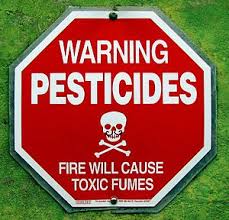 Update to the toxic pesticide acephate story of
  It turns out that some commonly found chemicals in household products are actually hazardous to our brain health. A recent
  Lead is harmful, especially for children. Lowered IQ, learning disabilities, behavioral problems - all from lead exposure. There are no safe lead levels in individuals, so you want to avoid lead and lead-containing products whenever possible. So it shouldn't be a surprise that
  Another disappointing result for Vitamin D supplements. A large
 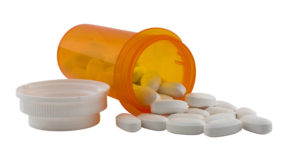 Many children and adults have been diagnosed with ADHD (attention deficit hyperactivity disorder) and been prescribed medications as a result. Medications that are taken daily for years. The big question is: Are there long-term health effects from ADHD medications?
 Recently the NFL Players Association called for all 30 NFL stadiums to use natural grass rather than synthetic or artificial turf. The