
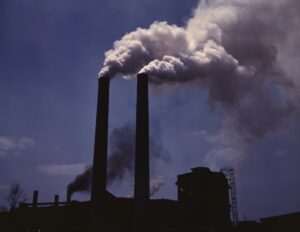
If you live in Louisiana, Ohio, or Kentucky (and soon West Virginia), you may be exposed to more air pollution than you know because air monitoring is restricted. Additionally, data from air monitoring done by local communities (using air sensors that are readily available and inexpensive) is not allowed to be used as evidence of air pollution.
And why is that? The chemical industry has been able to get laws passed in those 3 states that restrict the air monitoring. And they want more states to pass similar laws.
Unfortunately, the EPA has cut back its air monitoring program - not only by reducing the number of sites monitored, but also what chemicals are being looked for in the air. It's so bad that nearly six in 10 US counties have no public air monitor at all, according to a 2025 study. The study found that more than half of US counties are air quality monitoring deserts, without even a single monitoring station. Which is why inexpensive air monitors that residents and towns can easily buy are so important in detecting what is in the air.
This means that even if residents or town employees collect data or evidence that there is an air pollution problem in a town (e.g., from a nearby company) regulators are not allowed to act on it. Only expensive EPA approved equipment (costing tens of thousands of dollars) at official monitoring sites is allowed. However, the official monitoring may not be looking for the chemicals that are actually being released by companies or the monitors may be miles away from the most polluting companies.
The bottom line is: If no one is monitoring the air in all these places, can problems ever be found? If you don't measure what is in the air, then you don't know. And even if residents suspect or know there is a problem, what can be done if the data they collect is "not good enough"?
Is all this surprising? Eh... not these days.
Excerpts frrom The Guardian: Chemical industry backed laws in three US states to restrict use of air pollution data
As public air monitors disappear, federal rollbacks and state laws are making it harder than ever to know what’s in the air.
As the US’s network for monitoring air pollution deteriorates, a Floodlight investigation has found that the chemical industry is going state-to-state to restrict one of the few options citizens have left for holding polluters accountable: low-cost air sensors. ...continue reading "Some States Restrict Air Monitoring"