Skip to content

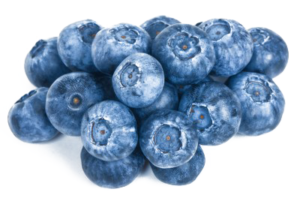
Some foods appear to have especially powerful health benefits. Berries are very beneficial, especially blueberries. (Or at least they have been studied more than other berries.) A recent study found that frequent or daily consumption of  wild blueberries is especially beneficial for cardiometabolic health, including vascular health.

Blueberries contain lots of fiber, polyphenols (which have powerful effects on vascular health), antioxidants, flavonoids (anthocyanins), and micronutrients. Wild blueberries have more of all these compared to farmed blueberries. Blueberries are especially beneficial for vascular health because they reduce inflammation and vascular dysfunction.

Bottom line: Researchers suggest eating daily half a cup to one cup blueberries, especially wild blueberries, for health benefits, such as lowering inflammation. (Less is good also - better to eat some than none)

Medical Xpress: Studies suggest Maine wild blueberries support gut and heart health

Wild blueberries—the iconic Maine crop dotting hillsides, decorating sweatshirts and adding personality to local menus—is more than a cultural symbol. More than 20 years of preclinical and clinical studies suggest that regularly consuming wild blueberries supports gut and heart health and may reduce risk factors associated with chronic disease. ...continue reading "Eating Wild Blueberries Has Health Benefits"

Honey
Credit: USDA

Great news for those who like honey! Even though honey is really sweet (lots of sugars!), eating it actually helps your health. Univ. of Toronto researchers analyzed 18 well done studies and found that honey improved key measures of cardiometabolic health, including blood sugar and cholesterol levels.

These results are interesting because they contrast with other research finding a high intake of sugars (e.g., sugar, high fructose corn syrup, soda) contributing to obesity, type 2 diabetes, and cardiovascular disease. Unfortunately, most regulatory agencies, including the World Health Organization, the Heart and Stroke Foundation, and the FDA (US Food and Drug Administration), include honey within their definition of free or added sugars. And advise limiting intake.

However, honey is not like other sugars. Honey has a complex composition of organic acids, minerals, vitamins, enzymes, proteins, amino acids, and bioactive substances. Rare sugars constitute around 14% of the sugar content of honey. Raw honey also contains probiotic bacteria.

All sorts of studies (in vitro, animal, clinical) have shown that honey has health benefits for cardiometabolic health. Among these benefits are improvements in body weight, inflammation, lipid profile, and glycemic control.

What kind is best? The Univ. of Toronto researchers found that the best health results are found with consumption of raw honey, clover honey, and robinia honey. In other words, honey that is not processed (raw honey) or from only 1 floral source (e.g., clover, acacia/robinia).

How much is best? The median dose consumed was 40 g or about 2 tablespoons daily, usually added to foods or beverages as a sweetener (e.g., in tea, mixed with yogurt, spread on bread) . Enjoy!

From Science Daily: Sweet: Honey reduces cardiometabolic risks, study shows

Researchers at the University of Toronto have found that honey improves key measures of cardiometabolic health, including blood sugar and cholesterol levels -- especially if the honey is raw and from a single floral source.  ...continue reading "Study Finds Health Benefits From Eating Honey"