Skip to content

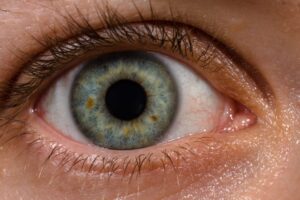
Human eye Credit: Wikipedia

A recent large study found that vitamin B3 (nicotinamide) supplements may help in preventing glaucoma (specifically primary open-angle glaucoma) and also need fewer treatments (e.g., eye drops and laser procedures) in those with glaucoma.

Glaucoma refers to many diseases involving eye pressure increases and damage to the optic nerve, which can result in permanent vision loss and blindness. Primary open-angle glaucoma (POAG) is the most common form of glaucoma. The study found that those taking nicotinamide supplements had a 66% lower risk of developing glaucoma.

Since the study is behind a paywall, I've included summaries (each a little different) from 2 web-sites describing the study.

From Medical Xpress: Could vitamin B3 prevent silent thief from stealing vision? New study finds protective effects against glaucoma

Often called the silent thief of sight, glaucoma is a group of eye diseases that gradually damage the optic nerve, often without warning signs. It is linked to increased pressure (ocular hypertension) inside the eye and, if left untreated, can lead to permanent vision loss. Even with ongoing treatment, some people still face the risk of progressive vision loss.

This led scientists to look for newer therapeutics that can help manage the disease's progression, such as nicotinamide, a form of vitamin B3. ...continue reading "Study Finds Vitamin B3 Supplements Lower the Risk of Developing Glaucoma"


Basal cell carcinoma Credit: Wikipedia

Skin cancer (basal cell carcinoma, squamous cell carcinoma, and melanoma) rates are rising. Skin cancer is the most common cancer in the U.S., with current estimates that 1 in 5 Americans will develop skin cancer in their lifetime. Unfortunately, a person can get repeat skin basal cell and squamous cell cancers. Yikes!

Interestingly, since 2015 studies are finding that a form of vitamin B3 called nicotinamide are a skin cancer preventive (chemopreventive) medication. That is, taking nicotinamide supplements reduces the risk of basal cell and squamous cell cancer development.

A recent study found that persons who already had one skin cancer removed, can significantly reduce the risk of a second skin cancer occurring if they ingest 500 mg of nicotinamide two times daily for more than one month. An overall 54% reduction in another skin cancer occurring in this group!

The biggest reduction of another skin cancer occurring was in those who had a squamous cell carcinoma removed. However the preventive effect was reduced in those who already had multiple (2 or more) skin cancers.

Excerpts from NPR: Vitamin B3 can help protect against skin cancer. Here's who may benefit

Doctors who perform skin cancer surgeries often recommend nicotinamide — which is a form of Vitamin B3 — to their patients. It's been shown to protect cells from UV radiation damage. ...continue reading "Taking Vitamin B3 Reduces the Risk of Another Skin Cancer"

Some dietary supplements can do serious harm, especially when taken in high doses. A recent study found cancer associated with high doses of the supplement nicotinamide riboside (NR), which is a form of vitamin B3.

Keep in mind that this study was done in vivo and in vitro (in a lab), and also in mice.. and not humans. But the results are concerning.

Swiss and Univ. of Missouri researchers found that high levels of NT could increase the risk of developing triple-negative breast cancer, and also for it to metastasize to the brain. Yikes.

By the way, while NR can be purchased as a supplement, it is normally not found in ordinary multi-vitamins that many take daily. Low levels of NR are found in fruit, vegetables, meat, and milk - it is necessary for health (it increases levels of cellular energy). It's the large amounts found in supplements that the researchers were concerned with and that can be problematic.

Stay tuned for further research...

From Science Daily: Popular dietary supplement increases breast cancer risk, brain metastasis, study suggests

While previous studies have linked commercial dietary supplements like nicotinamide riboside (NR), a form of vitamin B3, to benefits related to cardiovascular, metabolic and neurological health, new research from the University of Missouri has found NR could actually increase the risk of serious disease, such as development of breast cancer and brain metastasis. ...continue reading "A Dietary Supplement That Might Increase Cancer Risk"

5

Image result for eyes A recent study had great results in preventing glaucoma or stopping the progress of glaucoma by supplementing the diet of mice with vitamin B3 (nicotinamide). But now the research needs to see if this also holds true for humans.

Glaucoma is a common neurodegenerative disease that results in vision loss. Two main risk factors are increasing age and high intraocular pressure (pressure in the eye). The researchers said that their next step is testing B3 in human glaucoma patients. So stay tuned...

Vitamin B3, also known as niacin, is an essential vitamin for health, but both deficiencies and too high doses have negative health effects. It is recommended that adults get between 14 mg to 18 mg of niacin per day. Since it is not stored in the body (the excess will be excreted in urine), then you need to get a continuous supply from your diet.

As seen in so many other studies of vitamins and minerals, there is no evidence of adverse effects from the consumption of naturally occurring niacin in foods, but one can get too much from supplements (along with negative health effects).

What foods are good sources of B3 (niacin)? Foods highest in B3 (niacin) are tuna, chicken, turkey, but other good sources are anchovies, salmon, sardines, red meat, peanuts, nuts, seeds, eggs, mushrooms, dairy foods. lentils, beans, potatoes, and grain products.

From Medical Xpress: Vitamin B3 prevents glaucoma in laboratory mice

In mice genetically predisposed to glaucoma, vitamin B3 added to drinking water is effective at preventing the disease, a research team led by Jackson Laboratory Professor and Howard Hughes Medical Investigator Simon W.M. John reports in the journal Science. ...continue reading "Vitamin B3 and Glaucoma"