
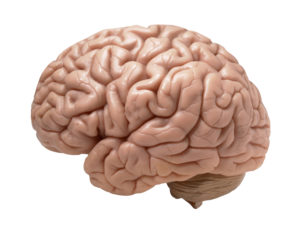
 We all know that vitamin C is important for our health, especially skin health, but it is also important for a healthy brain. A recent study found higher levels of vitamin C in aging adults is linked to a healthier aging brain. Nutrition matters!
The study found that having low levels of vitamin C in blood plasma in aging adults is correlated with having lower brain gray matter volume and connectivity. The study looked at 2040 aging adults (median age 69 years) in Japan - using both MRI scans and blood plasma samples.
As we age, the volume of the brain shrinks - this is normal. There are both structural and connectivity changes - again, it's normal. But...you want to delay and minimize these changes, which is why this research finding that vitamin C is important for aging brain health is significant. As the researchers point out, one can make nutritional changes by increasing vitamin C foods in the diet. (BTW, generally foods are superior to supplements.)
Gray matter of the brain is where processing information, movement, and emotion control occur. It has an effect on new memories and multitasking.
Other studies have also pointed out that vitamin C are important for aging brain health. Lower levels of vitamin C have been associated with a higher risk of dementia and other neurodegenerative diseases.
Bottom line: Try to eat foods high in vitamin C frequently, preferably daily.
From Science Daily: Scientists discover a surprising link between vitamin C and brain health
Researchers have found another clue that diet may influence how the brain ages. In a study of more than 2,000 older adults in Japan, people with lower levels of vitamin C in their blood tended to have less gray matter and weaker connections within an important brain network involved in memory and attention. While the findings do not prove that vitamin C protects the brain, they strengthen evidence that good nutrition could play a role in maintaining cognitive health later in life.
Earlier studies have suggested that people who consume more vitamin C are less likely to experience cognitive impairment as they get older. However, relatively little research has examined whether vitamin C levels measured directly in the blood are associated with physical changes in the brain.
To investigate that question, the researchers analyzed magnetic resonance imaging (MRI) scans and blood plasma samples from 2,044 Japanese adults over the age of 64.
Using the MRI scans, they measured the volume of gray matter and white matter in each participant's brain while accounting for differences in overall brain size. They also examined connectivity within the default mode network, a group of interconnected brain regions that plays an important role in attention, autobiographical memory, and other cognitive functions.
Lower Vitamin C Linked to Smaller Gray Matter
After adjusting for factors that can also influence brain health, including age, education level, and physical activity, the researchers found a consistent pattern. Participants with lower plasma vitamin C levels tended to have reduced gray matter volume and weaker connectivity within the default mode network.
The results suggest that maintaining healthy vitamin C levels could potentially help support cognitive function and healthy brain aging. However, the researchers emphasize that this was an observational study, meaning it cannot determine whether vitamin C directly causes these differences in brain structure or function. More research will be needed to uncover the biological mechanisms behind these statistical associations.
Tomohiro Shintaku adds: "Our study demonstrates that higher plasma vitamin C levels are associated with better preserved structural connectivity of the default mode network (DMN), a key brain network involved in cognitive function. This finding generates the exciting hypothesis that a diet rich in vitamin C might play a supportive role in maintaining brain health and mitigating age-related cognitive decline in older adults."
He continued: "What I found most fascinating about this research is that we were able to detect these subtle but significant associations between a single nutritional factor and large-scale brain networks by utilizing a robust, community-based cohort of over 2,000 older adults. It truly highlights the potential impact of our everyday dietary habits on our brain structures."