
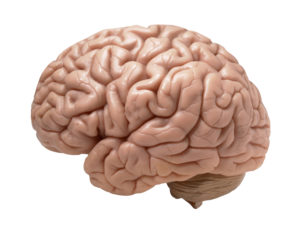
 We all know that vitamin C is important for our health, especially skin health, but it is also important for a healthy brain. A recent study found higher levels of vitamin C in aging adults is linked to a healthier aging brain. Nutrition matters!
The study found that having low levels of vitamin C in blood plasma in aging adults is correlated with having lower brain gray matter volume and connectivity. The study looked at 2040 aging adults (median age 69 years) in Japan - using both MRI scans and blood plasma samples.
As we age, the volume of the brain shrinks - this is normal. There are both structural and connectivity changes - again, it's normal. But...you want to delay and minimize these changes, which is why this research finding that vitamin C is important for aging brain health is significant. As the researchers point out, one can make nutritional changes by increasing vitamin C foods in the diet. (BTW, generally foods are superior to supplements.)
Gray matter of the brain is where processing information, movement, and emotion control occur. It has an effect on new memories and multitasking.
Other studies have also pointed out that vitamin C are important for aging brain health. Lower levels of vitamin C have been associated with a higher risk of dementia and other neurodegenerative diseases.
Bottom line: Try to eat foods high in vitamin C frequently, preferably daily.
From Science Daily: Scientists discover a surprising link between vitamin C and brain health
Researchers have found another clue that diet may influence how the brain ages. In a study of more than 2,000 older adults in Japan, people with lower levels of vitamin C in their blood tended to have less gray matter and weaker connections within an important brain network involved in memory and attention. While the findings do not prove that vitamin C protects the brain, they strengthen evidence that good nutrition could play a role in maintaining cognitive health later in life. ...continue reading "Vitamin C Is Important For Aging Brain Health"
 Bleeding gums are usually considered a sign of gingivitis, and the typical advice is to brush and floss more. However, new
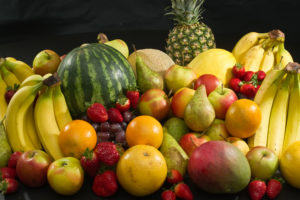
  It turns out that scurvy and vitamin C deficiency is still around these days. Scurvy is a disease resulting from a lack of vitamin C. Most animals can synthesize vitamin C, but not humans. We must eat foods containing vitamin C to get the vitamin.
 A study found that a combination of cranberry supplement (120 mg cranberries, with a minimum proanthocyanidin content of 32mg), the probiotic Lactobacillus rhamnosus, and vitamin C (750 mg) three times a day was enough to prevent the recurrence of urinary tract infections (UTIs) for the majority of women in this small (36 patient) study. At 6 months there was a 61% success rate. No side effects were reported.
 A cataract is a clouding of the lens in the eye leading to a decrease in vision. It can affect one or both eyes, it is more common with age, and can even lead to blindness. About 20 million people globally are blind due to cataracts. Vitamin supplements have failed to find an effect in numerous studies.
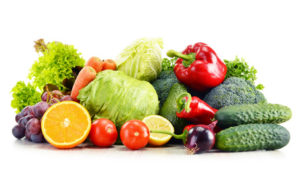 Once again, research shows that eating lots of fruits and vegetables is beneficial to health - this time because high vitamin C concentrations in the blood is linked to lower risks of developing cardiovascular disease and early death. And it's food that they looked at, not supplements. From Science Daily:
 Another popular view bites the dust.