
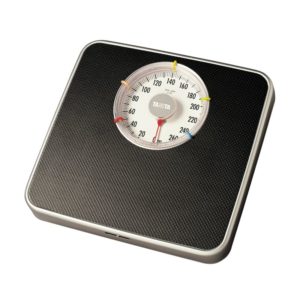
 Over the years a number of studies have shown that intense dieting with weight loss can reverse type 2 diabetes. Another recent study came up with similar results. This time a study found that slightly more than half of persons following a low-calorie diet and an exercise program (aerobic and resistance exercise) reversed their type 2 diabetes within 12 weeks.
All the participants were between 8 to 45 years, and had an early onset type 2 diabetes diagnosis within the past 6 years. Such early onset type 2 diabetes typically means a high lifetime risk of complications. The participants were randomly assigned to either a control group that received general standard care, or the exercise and diet group.
The diet-exercise group followed a low-calorie diet (800 to 900 calories per day) for 12 weeks. During that time they also had a supervised hour of exercise (both aerobic, resistance) 2 times per week and once per week independent exercise. Between 13 to 24 weeks they followed a weight-maintenance diet and exercised independently.
Total weight loss was about 18.5 pounds in the diet-exercise group, but only 2.6 pounds in the control group. At the end of 24 weeks 54% of the diet-exercise were in type 2 diabetes remission, but only 4% of the control group.
The researchers demonstrated that having the participants follow the exercise program meant that they maintained muscle mass during the weight loss period. This showed that mass and muscle preservation is achievable with rapid weight loss - a problem that typically occurs during rapid weight loss.
Bottom line: Following a low calorie diet and exercising, with resultant weight loss, can reverse type 2 diabetes. Not always, but for most it can.
From Medical Xpress: Low-calorie diet and exercise put early-onset type 2 diabetes in remission for 54% of participants
New research presented at the Annual Meeting of The European Association for the Study of Diabetes (EASD) in Milan, Italy (Sept 28 – Oct 2) and appearing in The Lancet Regional Health Americas journal shows that in people who have developed early-onset type 2 diabetes (EOT2D) (aged under 45 years), around half these T2D cases can be reversed with a low-energy diet combined with a structured exercise program.
Early-onset type 2 diabetes (EOT2D) is a distinct and growing clinical phenotype with rapid deterioration in blood sugar control, early onset of complications, and lower life expectancy than later onset T2D. Low energy diets (LEDs) can reduce glucose levels below T2D diagnostic thresholds without medication (T2D remission).
Adding structured exercise may provide synergistic benefits including greater fitness, muscle mass preservation, enhanced cardiac function, and lower insulin resistance. The researchers evaluated the efficacy of combining a LED with supervised exercise on remission at 24 weeks in EOT2D, a condition meriting a potent intervention to arrest its rapid evolution, comparing it to usual care.
Across three centers in England and Canada, the researchers conducted a randomized, open-label, blinded endpoint efficacy trial among adults 18 to 45 years of age with EOT2D and obesity, not on insulin therapy.
The groups were usual care alone versus an intervention combining 800-900 kcal/day LED, twice-weekly supervised (aerobic, resistance) and once-weekly independent exercise (weeks 1-12), followed by a weight-maintenance diet with independent exercise (weeks 13-24). The primary outcome was remission at 24 weeks (assessed by glycated hemobglobin (HbA1c < 6·5% [48 mmol/mol]), and being without glucose-lowering medication for at least 12 weeks.
The primary efficacy and harms analysis was in all randomized individuals, assuming no remission when data were unavailable. Secondary endpoints included cardiorespiratory fitness, body composition, and cardiac structure.
Participants stopped all glucose- and blood pressure-lowering medication (in the absence of albuminuria) with initiation of the 800-900 kcal/day diet (30% protein, 50% carbohydrate, 20% fat). They were encouraged to consume at least 2 liters of calorie-free fluid daily and provided a fiber-based laxative for use as required.
The first two weeks comprised total meal replacement (Optifast). Weeks 3 to 12 continued the same caloric intake with more variety (Optifast in the UK and ProtiDiet in Canada), allowing one food-based meal per day (60 to 90 g protein from all sources combined, one portion of fruit, two portions of non-starchy vegetables).
The study randomized 96 participants (40 UK, 56 Canada) between September 24, 2021 and June 6, 2025 (24 female, 26 male intervention group; 21 female, 25 male control group; mean age 38 years, BMI 35·2 kg/m2) among whom 86 (90%) attended final assessments.
Remission at 24 weeks occurred in 27/50 (54%) of intervention participants versus 2/46 (4%) control participants – with statistical analysis showing after adjustment that those in the intervention group were 21 times more likely to achieve remission than those in the control group.
The 47 participants in the intervention group had a mean weight of 100.7kg (222 lbs) at baseline, while the 43 participants in the control group had a mean weight of 103.2kg (227.5 lbs). Weight loss between weeks 0 and 24 in the intervention group was 8.4 kg (18.5 lbs), leaving intervention participants with an average weight of 92.3kg (203.5 lbs), while weight loss between weeks 0 and 24 in the control group was 1.2 kg (2.6 lbs), leaving control participants with a mean weight of 102.0 kg (224.9 lbs).
Statistical adjustment showed that on average intervention participants lost 7.5 kg (16.5 lbs) more than control participants by week 24, which included 6.6 more kg of fat mass lost.
Remission was achieved without severe adverse events. Most intervention group participants experienced at least one adverse event (43/50 vs. 6/46), mainly early low-energy diet effects (e.g., constipation, headache, dizziness, fatigue) that resolved.
The authors say, "Our findings demonstrate the feasibility and efficacy of combining structured aerobic and resistance exercise with a low-energy diet in early-onset type 2 diabetes, supporting its potential to deliver substantial and holistic health and well-being benefits alongside diabetes remission.
"Our remission rates are at the upper end of those previously reported in the literature for trials of similar duration, reinforcing the potential of structured lifestyle interventions to support clinically meaningful remission, while demonstrating for the first time that such effects can be achieved in a multi-ethnic population with early-onset type 2 diabetes through a combined low energy diet and structured exercise intervention."
Muscle preservation and long-term remission
They highlight that all weight loss programs, including low-energy diets for type 2 diabetes remission, are followed by a period of either partial or full weight regain for most people. Weight loss driven by lower energy intake alone is associated with reductions in both fat and fat-free mass, and there is some evidence that weight regain may preferentially restore fat over fat-free mass, resulting in a net loss of fat-free mass and an increased risk of sarcopenia over time.
They say, "Our RESET for Remission study targeted muscle during the intensive weight loss phase through resistance training, and our findings indicate fat-free mass and muscle preservation is achievable with rapid weight loss. Preserving muscle during remission-oriented weight loss may have important implications for long-term metabolic health, physical function, and disease trajectory. This requires examination in a longer-term study."
"In summary, RESET for Remission demonstrated that in early-onset type 2 diabetes, combining structured aerobic and resistance exercise with a low-calorie diet produces high remission rates, induces fat loss while preserving muscle mass, improves muscle quality and function, enhances cardiovascular health, and leads to meaningful improvements in patient-reported outcomes.