Skip to content

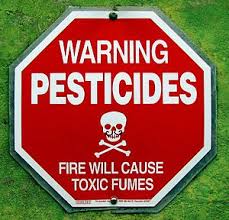
For years it has been known that the pesticide paraquat has serious health effects, which is why it is banned in so many countries - but not the US. But California, the US's largest user of the toxic pesticide, is now the second state to ban the use of the pesticide. It is considered the deadliest pesticide used in agriculture in the US.

Paraquat is a herbicide (weed-killer) that is strongly linked to (causes) Parkinson's disease, and is known to damage the lungs, kidneys. liver, cardiac system, and other bodily systems. While it is banned in more than 70 countries world-wide (e.g., the EU, China, UK, Brazil), the EPA reapproved its use in 2024. More than 10 million pounds annually are sprayed on US crops (e.g., soybeans, almonds, walnuts, cotton), with the most used in California.

Once again, the US is lagging behind other countries in safety and health regulations. Unfortunately, the current EPA is led by persons affiliated with the chemical industry. No wonder it's big industry first in all decisions!

Excerpts from The Guardian: California bans paraquat, highly toxic herbicide outlawed in more than 70 countries

California is banning paraquat, a highly toxic, controversial herbicide used across millions of acres of American cropland. ...continue reading "California Is Finally Taking Steps To Ban A Highly Toxic Pesticide"

Stories about the toxic pesticide paraquat keep coming. Paraquat is a herbicide (weed-killer) that is strongly associated (causes) Parkinson's disease plus other health harms. This pesticide is banned in over 70 countries world-wide due to its known health harms, but not the US.

California recently took steps to ban the pesticide, but people in New York state are also demanding a ban. The Guardian recently wrote an investigative piece describing the elevated incidence of Parkinson's disease among residents in the rural farming community of Hebron in upstate NY.

The residents want a state-wide ban on the use of paraquat. They say that too many of them have developed Parkinson's disease due to the use of paraquat in their area.

Paraquat is a herbicide (weed-killer) that is strongly linked to (causes) Parkinson's disease, and is known to damage the lungs, kidneys. liver, cardiac system, and other bodily systems. While it is banned in more than 70 countries world-wide (e.g., the EU, China, UK, Brazil), the EPA reapproved its use in 2024. More than 10 million pounds annually are sprayed on US crops (e.g., soybeans, almonds, walnuts, cotton).

Excerpts from the Guardian: The herbicide haunting a New York farm town

Gordon Chaplin gingerly stepped out of the car at the top of the steep hill behind his farmhouse, sporting a bandage on his hand from a fall the day before. He gripped his cane as he shuffled through the knee-high grass. He stopped every few feet to catch his breath, leaning on his caregiver for support. ...continue reading "Residents of a NY Town, Parkinson’s Disease, and the Pesticide Paraquat"

 Drink coffee daily -  3 to 5 cups of either regular or decaffeinated - and live longer by lowering your risk of premature death from cardiovascular disease, neurological disease, type 2 diabetes, and suicide. Yes, it was an observational study, but the results are similar to what other studies are finding. From Medical Xpress:

Moderate coffee drinking may lower risk of premature death

People who drink about three to five cups of coffee a day may be less likely to die prematurely from some illnesses than those who don't drink or drink less coffee, according to a new study by Harvard T.H. Chan School of Public Health researchers and colleagues. Drinkers of both caffeinated and decaffeinated coffee saw benefits, including a lower risk of death from cardiovascular disease, neurological diseases, type 2 diabetes, and suicide.

"Bioactive compounds in coffee reduce insulin resistance and systematic inflammation," said first author Ming Ding, a doctoral student in the Department of Nutrition. "That could explain some of our findings. However, more studies are needed to investigate the biological mechanisms producing these effects."

Researchers analyzed health data gathered from participants in three large ongoing studies: 74,890 women in the Nurses' Health Study; 93,054 women in the Nurses' Health Study 2; and 40,557 men in the Health Professionals Follow-up Study. Coffee drinking was assessed using validated food questionnaires every four years over about 30 years. During the study period, 19,524 women and 12,432 men died from a range of causes.

In the whole study population, moderate coffee consumption was associated with reduced risk of death from cardiovascular disease, diabetes, neurological diseases such as Parkinson's disease, and suicide. Coffee consumption was not associated with cancer deaths. The analyses took into consideration potential confounding factors such as smoking, body mass index, physical activity, alcohol consumption, and other dietary factors.