Skip to content

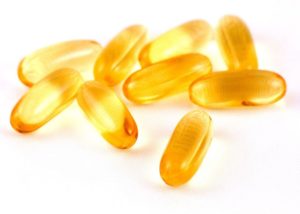
I saw mention of this study in a number of places - that low vitamin D levels are linked to chronic headaches. A little too soon to know if that is really true -  the researchers in this study looked at the blood vitamin D levels of 2601 men just one time, and did not give vitamin D supplements to the men to see if this changed the frequency of migraine headaches. The researchers themselves pointed out that other studies looking at this same issue have had mixed results. And they themselves pointed out that low blood levels of vitamin D (serum 25(OH)D concentration) was associated with a markedly higher risk of frequent headache in men. Associated does not mean caused.
Yes, low vitamin D levels is linked to a number of health problems (see all vitamin D posts). But at this point I think that it's a case of "wait and see" to see if vitamin D levels have something to do with headache frequency. Perhaps other micronutrients are important, perhaps something else. Note that in the study they used below 50 nmol as the measure for low vitamin D levels. In the USA, that translates into below 20 ng/ml, which everyone agrees is too low (a deficiency). The best source of vitamin D is sunlight - which is why it's called the "sunshine vitamin". From Science Daily:

Vitamin D deficiency increases risk of chronic headache

Vitamin D deficiency may increase the risk of chronic headache, according to a new study from the University of Eastern Finland....The Kuopio Ischaemic Heart Disease Risk Factor Study, KIHD, analysed the serum vitamin D levels and occurrence of headache in approximately 2,600 men aged between 42 and 60 years in 1984-1989. In 68% of these men, the serum vitamin D level was below 50 nmol/l, which is generally considered the threshold for vitamin D deficiency. Chronic headache occurring at least on a weekly basis was reported by 250 men, and men reporting chronic headache had lower serum vitamin D levels than others.

When the study population was divided into four groups based on their serum vitamin D levels, the group with the lowest levels had over a twofold risk of chronic headache in comparison to the group with the highest levels. Chronic headache was also more frequently reported by men who were examined outside the summer months of June through September. Thanks to UVB radiation from the sun, the average serum vitamin D levels are higher during the summer months.

The study adds to the accumulating body of evidence linking a low intake of vitamin D to an increased risk of chronic diseases. Low vitamin D levels have been associated with the risk of headache also by some earlier, mainly considerably smaller studies.

The beginning of a new year is a time to think about the future, and perhaps think about healthy lifestyles and how to age well. One important issue to think about is: why do some older people have "young" minds while others do not? Can anything be done to improve our odds later in life of being a "superager" and having a youthful, sharp, clear mind?

Unfortunately, as humans age, memory and many other cognitive functions often decline. “Normal” performance on various cognitive tests may be substantially lower than that of a younger adult, but... there is substantial variation in the degree of cognitive decline with age. Some older adults—referred to by some as “superagers”—continue to perform mentally at a level similar to middle-aged adults and sometimes even young adults.

Earlier posts have examined some of the things that help people age well and keep their brains more "youthful" - from diet (here, here, and here), to daily coffee consumption, vitamin D levels (here and here), regular physical activity and exercise (here, here, and here), not living in polluted areas (here and here), civic engagement, higher education, learning new skills, doing arts or crafts, and using a computer (here). Also frequently mentioned are social activities, intellectual stimulation, and genetics.

One recent study (discussed below) found that doing something hard and really challenging (that means forget pleasant puzzles), something that tires you out (whether physically or mentally) is what is good for the brain. So go out and learn a new language or musical instrument, sign up for a course, or anything else that is really challenging - whether physical or mental. Excerpts from a piece written by Lisa F. Barrett, a professor of psychology at Northeastern University, from the NY Times:

How to Become a ‘Superager’

Think about the people in your life who are 65 or older. Some of them are experiencing the usual mental difficulties of old age, like forgetfulness or a dwindling attention span. Yet others somehow manage to remain mentally sharp....Why do some older people remain mentally nimble while others decline? “Superagers” (a term coined by the neurologist Marsel Mesulam) are those whose memory and attention isn’t merely above average for their age, but is actually on par with healthy, active 25-year-olds. My colleagues and I at Massachusetts General Hospital recently studied superagers to understand what made them tick.

Our lab used functional magnetic resonance imaging to scan and compare the brains of 17 superagers with those of other people of similar age. We succeeded in identifying a set of brain regions that distinguished the two groups. These regions were thinner for regular agers, a result of age-related atrophy, but in superagers they were indistinguishable from those of young adults, seemingly untouched by the ravages of time...... The thicker these regions of cortex are, the better a person’s performance on tests of memory and attention, such as memorizing a list of nouns and recalling it 20 minutes later.

Of course, the big question is: How do you become a superager? Which activities, if any, will increase your chances of remaining mentally sharp into old age? We’re still studying this question, but our best answer at the moment is: work hard at something. Many labs have observed that these critical brain regions increase in activity when people perform difficult tasks, whether the effort is physical or mental. You can therefore help keep these regions thick and healthy through vigorous exercise and bouts of strenuous mental effort. My father-in-law, for example, swims every day and plays tournament bridge.

The road to superaging is difficult, though, because these brain regions have another intriguing property: When they increase in activity, you tend to feel pretty bad — tired, stymied, frustrated. Think about the last time you grappled with a math problem or pushed yourself to your physical limits. Hard work makes you feel bad in the moment. The Marine Corps has a motto that embodies this principle: “Pain is weakness leaving the body.” That is, the discomfort of exertion means you’re building muscle and discipline. Superagers are like Marines: They excel at pushing past the temporary unpleasantness of intense effort. Studies suggest that the result is a more youthful brain that helps maintain a sharper memory and a greater ability to pay attention.

This means that pleasant puzzles like Sudoku are not enough to provide the benefits of superaging. Neither are the popular diversions of various “brain game” websites. You must expend enough effort that you feel some “yuck.” Do it till it hurts, and then a bit more.

In the United States, we are obsessed with happiness. But as people get older, research shows, they cultivate happiness by avoiding unpleasant situations. This is sometimes a good idea, as when you avoid a rude neighbor. But if people consistently sidestep the discomfort of mental effort or physical exertion, this restraint can be detrimental to the brain. All brain tissue gets thinner from disuse. If you don’t use it, you lose it. So, make a New Year’s resolution to take up a challenging activity. Learn a foreign language. Take an online college course. Master a musical instrument. Work that brain. Make it a year to remember. [Original study]

Recently some studies have found that a diminished sense of smell occurs in persons with mild cognitive impairment and Alzheimer's disease. Doctors have long observed that patients with Alzheimer's frequently complain that food doesn't taste good anymore (because they can't smell what they are eating). This is because odor signals from the nose are processed in areas of the brain that are among the first to be affected by Alzheimer's disease. It is thought that as dementia starts and progresses, the parts of the brain that distinguish odors start to deteriorate.

This is why various odor tests have been devised. One such odor test (used in the following study) is called "Sniffin Sticks", which tests for 16 odors such as orange, peppermint, leather, banana, garlic, rose, fish, and coffee. However, note that other degenerative brain diseases (including Parkinson's) can also affect odor detection, and the ability to smell can be diminished by smoking, certain head injuries, and even normal aging. From Medical Xpress:

Study confirms 'sniff test' may be useful in diagnosing early Alzheimer's disease

Tests that measure the sense of smell may soon become common in neurologists' offices. Scientists have been finding increasing evidence that the sense of smell declines sharply in the early stages of Alzheimer's, and now a new study from the Perelman School of Medicine at the University of Pennsylvania published today in the Journal of Alzheimer's Disease confirms that administering a simple "sniff test" can enhance the accuracy of diagnosing this dreaded disease. The sniff test also appears to be useful for diagnosing a pre-dementia condition called mild cognitive impairment (MCI), which often progresses to Alzheimer's dementia within a few years.

Roalf and his colleagues used a simple, commercially available test known as the Sniffin' Sticks Odor Identification Test, in which subjects must try to identify 16 different odors. They administered the sniff test, and a standard cognitive test (the Montreal Cognitive Assessment), to 728 elderly people. The subjects had already been evaluated by doctors at Penn with an array of neurological methods, and according to expert consensus had been placed in one of three categories: "healthy older adult," "mild cognitive impairment," or "Alzheimer's dementia." Roalf and his team used the results from the cognitive test alone, or combined with the sniff test, to see how well they identified subjects in each category.

As researchers report, the sniff test added significantly to diagnostic accuracy when combined with the cognitive test. For example, the cognitive test alone correctly classified only 75 percent of people with MCI, but that figure rose to 87 percent when the sniff test results were added. Combining the two tests also enabled more accurate identification of healthy older adults and those with Alzheimer's dementia. The combination even boosted accuracy in assigning people to milder or more advanced categories of MCI.

Prompted by prior studies that have linked a weakening sense of smell to Alzheimer's, doctors in a few larger dementia clinics already have begun to use smell tests in their assessments of elderly patients. Part of the reason the practice has not yet become common is that the tests that seem most useful take too long to administer. 

New research further confirms a link between higher lutein levels (as measured in the blood) and the preservation of "crystallized intelligence" in older adults.  Crystallized intelligence is the ability to use the skills and knowledge one has acquired over a lifetime. Lutein is in foods such as leafy green vegetables, cruciferous vegetables (broccoli, brussels sprouts, cauliflower, and cabbage) and egg yolks. Lutein is also found in small amounts in other fruits and vegetables. Bottom line: eat a variety of fresh fruits and vegetables daily. [Original study.]Medical Xpress:

Study links nutrition to brain health and intelligence in older adults

A study of older adults links consumption of a pigment found in leafy greens to the preservation of "crystallized intelligence," the ability to use the skills and knowledge one has acquired over a lifetime.

Lutein (LOO-teen) is one of several plant pigments that humans acquire through the diet, primarily by eating leafy green vegetables, cruciferous vegetables such as broccoli, or egg yolks, said University of Illinois graduate student Marta Zamroziewicz, who led the study with Illinois psychology professor Aron Barbey. Lutein accumulates in the brain, embedding in cell membranes, where it likely plays "a neuroprotective role," she said. "Previous studies have found that a person's lutein status is linked to cognitive performance across the lifespan," Zamroziewicz said. 

The study enrolled 122 healthy participants aged 65 to 75 who solved problems and answered questions on a standard test of crystallized intelligence. Researchers also collected blood samples to determine blood serum levels of lutein and imaged participants' brains using MRI to measure the volume of different brain structures. The team focused on parts of the temporal cortex, a brain region that other studies suggest plays a role in the preservation of crystallized intelligence.

The researchers found that participants with higher blood serum levels of lutein tended to do better on tests of crystallized intelligence. Serum lutein levels reflect only recent dietary intakes, Zamroziewicz said, but are associated with brain concentrations of lutein in older adults, which reflect long-term dietary intake. Those with higher serum lutein levels also tended to have thicker gray matter in the parahippocampal cortex, a brain region that, like crystallized intelligence, is preserved in healthy aging, the researchers report..... "Our findings do not demonstrate causality," Zamroziewicz said. "We did find that lutein is linked to crystallized intelligence through the parahippocampal cortex."

A big concern nowadays is why some children develop autism, specifically autism spectrum disorder (ASD). Autism spectrum disorder is considered a life-long neurodevelopmental disorder that is thought to affect 1 out of 68 American children. While the causes of ASD are unknown in most cases, some studies report an association (higher risk) between a pregnant woman's infections and fever during pregnancy and risk of ASD in the baby, while other studies don't find such an association. Some studies also looked at the timing of infections during pregnancy, but again results have been mixed. A viral infection during the first trimester is associated with increased risk in some studies, while other studies report an increased risk with a second- or third-trimester bacterial infection.  So it has been unclear whether a flu (influenza) infection or flu vaccination during pregnancy is linked to autism spectrum disorder or not. Is there a link or not?

Why are pregnant women encouraged to get a flu shot (flu vaccine)? This is because pregnant women have an increased risk of complications from the flu infection. Studies also show that getting a flu vaccine during pregnancy reduces the risk of a preterm birth, a small-for gestational-age child, and a low-birth-weight child, and prevents influenza infection in newborns for up to 6 months.

The researchers of a large study done in California found no association between autism spectrum disorder (ASD) risk and flu (influenza) infection during pregnancy or flu (influenza) vaccination during the second to third trimester of pregnancy. However, there was a suggestion of increased ASD risk among children whose mothers received flu vaccinations during the first trimester (though the researchers say the association was perhaps due to "chance". Bottom line: the study results were reassuring for pregnant women, but if one wanted to be ultra-cautious, then delay getting a flu shot until the second trimester of pregnancy. From Science Daily:

No association between mother's flu in pregnancy, increased child autism risk

A study of more than 196,000 children found no association between a mother having an influenza infection anytime during pregnancy and an increased risk of autism spectrum disorders (ASDs) in children, according to a new study published online by JAMA Pediatrics. The study by Ousseny Zerbo, Ph.D., of Kaiser Permanente Northern California, Oakland, and coauthors included 196,929 children born in the health system from 2000 through 2010 at a gestational age of at least 24 weeks.

Within the group, there were 1,400 mothers (0.7 percent) diagnosed with influenza and 45,231 mothers (23 percent) who received an influenza vaccination during pregnancy. There were 3,101 children (1.6 percent) diagnosed with ASD. The authors report no association between increased risk of ASD and influenza vaccination during the second and third trimesters of pregnancy. There was a suggestion of increased risk of ASD with maternal vaccination in the first trimester but the authors explain the finding was likely due to chance because it was not statistically significant after adjusting for multiple comparisons. The study cannot establish causality and has several limitations, including ASD status determined by diagnoses on medical records and not validated by standardized clinical assessment for all cases. [Original study.]

This study found impressive results - improvement in autistic behaviors in children diagnosed with autism spectrum disorder (ASD) with four months of daily vitamin D supplementation. Children in the placebo group did not show improvement. A nice aspect of the study was that the children were randomly assigned  to a placebo or a vitamin D group (so that the groups were not self-selected) and it was double-blinded (so no one knew who was getting the vitamins - again to prevent bias). This was a preliminary study - meaning more studies are needed, but it would be amazing if these results hold up... From Science Daily:

Vitamin D supplements may benefit children with autism spectrum disorder

Studies have shown an association between the risk of autism spectrum disorder and vitamin D insufficiency. In this latest study, 109 children with autism spectrum disorder were randomized to receive four months of vitamin D3 supplementation or a placebo."Autism symptoms -- such as hyperactivity, social withdrawal, and others -- improved significantly following vitamin D3 supplementation but not after receiving placebo," said Dr. Khaled Saad, lead author of the Journal of Child Psychology and Psychiatry study.

Excerpts from the original study from  The Journal of Child Psychology and Psychiatry: Randomized controlled trial of vitamin D supplementation in children with autism spectrum disorder

Autism spectrum disorder (ASD) is a frequent developmental disorder characterized by pervasive deficits in social interaction, impairment in verbal and nonverbal communication, and stereotyped patterns of interests and activities. It has been previously reported that there is vitamin D deficiency in autistic children; however, there is a lack of randomized controlled trials of vitamin D supplementation in ASD children.

This study is a double-blinded, randomized clinical trial (RCT) that was conducted on 109 children with ASD (85 boys and 24 girls; aged 3–10 years). The aim of this study was to assess the effects of vitamin D supplementation on the core symptoms of autism in children. ASD patients were randomized to receive vitamin D3 or placebo for 4 months. The serum levels of 25-hydroxycholecalciferol (25 (OH)D) were measured at the beginning and at the end of the study. The autism severity and social maturity of the children were assessed by the Childhood Autism Rating Scale (CARS), .... 
Supplementation of vitamin D was well tolerated by the ASD children. The daily doses used in the therapy group was 300 IU vitamin D3/kg/day, not to exceed 5,000 IU/day. The autism symptoms of the children improved significantly, following 4-month vitamin D3 supplementation, but not in the placebo group. This study demonstrates the efficacy and tolerability of high doses of vitamin D3 in children with ASD.   

Recently, Wang et al. (2016) performed a systematic review and meta-analysis of all studies on serum concentration of 25 (OH)D in ASD (Wang et al., 2016). Eleven studies were included, accounting for a total of 870 ASD patients and 782 healthy controls. Serum levels of 25 (OH)D in participants with ASD were significantly lower than those in controls. They concluded that low vitamin D might serve as a risk factor for autism spectrum disorder (Wang et al., 2016). 

In a recent survey, our research group measured 25 (OH)D in 122 ASD children (3–9 years old) and 100 healthy children as controls (Saad, Abdel-Rahman, et al., 2015). The ASD group showed a significantly lower level of serum 25 (OH)D compared with the control group (p < .0001). The study found highly significant inverse correlations between serum 25 (OH)D levels and autism rating scales. In the second part of the previous study (Saad, AbdelRahman, et al., 2015), an open-label trial of 83 subjects who completed a 3-month therapy with high daily doses of vitamin D (300 IU/kg/day) was performed. Collectively, 80.7% of the children with ASD had significantly improved outcome, which was mainly in the sections of the CARS and ABC subscales that measure behavior, stereotypy, eye contact, and attention span (Saad, Abdel-Rahman, et al., 2015). 

Interesting preliminary research that suggests that daily intake for 12 weeks of several beneficial bacteria species (Lactobacillus acidophilus, L. casei, L. fermentum, and Bifidobacterium bifidum) resulted in improved mental (cognitive) functioning in 52 people with Alzheimer's Disease. Could this be true - daily probiotics to improve mental functioning in those with Alzheimer's?

Many more studies need to be done, but this is definitely interesting. The nice thing in this study was that the patients were randomly assigned to the groups, and it was "double-blind" so no one knew who got just plain milk and who drank probiotic milk in the study (so no biases to distort results). There were also metabolic and inflammation improvements in those taking the probiotics. From Medical Xpress:

Probiotics improve cognition in Alzheimer's patients

For the first time, scientists have shown that probiotics—beneficial live bacteria and yeasts taken as dietary supplements—can improve cognitive function in humans. In a new clinical trial, scientists show that a daily dose of probiotic Lactobacillus and Bifidobacterium bacteria taken over a period of just 12 weeks is enough to yield a moderate but significant improvement in the score of elderly Alzheimer's patients on the Mini-Mental State Examination (MMSE) scale, a standard measure of cognitive impairment.

Probiotics are known to give partial protection against certain infectious diarrheas, irritable bowel syndrome, inflammatory bowel disease, eczema, allergies, colds, tooth decay, and periodontal disease. But scientists have long hypothesized that probiotics might also boost cognition, as there is continuous two-way communication between the intestinal microflora, the gastrointestinal tract, and the brain through the nervous system, the immune system, and hormones (along the so-called "microbiota-gut-brain axis"). In mice, probiotics have indeed been shown to improve learning and memory, and reduce anxiety and depression- and OCD-like symptoms. But prior to the present study there was very limited evidence of any cognitive benefits in humans.

Here, the researchers, from Kashan University of Medical Sciences, Kashan, and Islamic Azad University, Tehran, Iran, present results from a randomized, double-blind, controlled clinical trial on a total of 52 women and men with Alzheimer's between 60 and 95 years of age. Half of the patients daily received 200 ml milk enriched with four probiotic bacteria Lactobacillus acidophilus, L. casei, L. fermentum, and Bifidobacterium bifidum (approximately 400 billion bacteria per species), while the other half received untreated milk.

At the beginning and the end of the 12-week experimental period, the scientists took blood samples for biochemical analyses and tested the cognitive function of the subjects with the MMSE questionnaire, which includes tasks like giving the current date, counting backwards from 100 by sevens, naming objects, repeating a phrase, and copying a picture.

Over the course of the study, the average score on the MMSE questionnaire significantly increased (from 8.7 to 10.6, out of a maximum of 30) in the group receiving probiotics, but not in the control group (from 8.5 to 8.0). Even though this increase is moderate, and all patients remained severely cognitively impaired, these results are important because they are the first to show that probiotics can improve human cognition. Future research, on more patients and over longer time-scales, is necessary to test if the beneficial effects of probiotics become stronger after longer treatment.

Treatment with probiotics also resulted in lower levels of triglycerides, Very Low Density Lipoprotein (VLDL), high-sensitivity C-Reactive Protein (hs-CRP) in the blood of the Alzheimer patients, and likewise a reduction in two common measures (called "Homeostatic Model Assessment", HOMA-IR and HOMA-B) of insulin resistance and the activity of the insulin-producing cells in the pancreas. "These findings indicate that change in the metabolic adjustments might be a mechanism by which probiotics affect Alzheimer's and possibly other neurological disorders," says Salami. "We plan to look at these mechanisms in greater detail in our next study." [The original study.]

  Eating lots of fruits and vegetables (more than 10 servings a day!)  is linked to better cognitive functioning in both normal weight and overweight adults (both young and older adults), and may delay the onset of cognitive decline that occurs with aging and also dementia. Overweight and obese older adults with a daily fruit and vegetable consumption of less than 5 servings generally had worse cognitive functioning. Higher levels of physical activity and higher daily fruit and vegetable consumption were both associated with better cognitive functioning. Cognitive functioning generally refers to a person’s ability to reason and think, the mental processes needed to gather and process information, and all aspects of language and memory.

The York University researchers found that fruit and vegetable consumption, physical activity, and BMI or body mass index (normal, overweight, obese) all appear to interact in how a person mentally functions (cognitive functioning), especially as they age. The ideal goal as one ages is to preserve the mind. It appears that eating lots of fruits and vegetables daily (10 or more servings), being physically active (this includes daily walks), and being a healthy weight help with this goal. It helps to also be highly educated (or read books?) so that the brain has a "cognitive reserve",

Why is daily fruit and vegetable consumption (FVC) good for cognitive functioning and the brain? Studies find that daily consumption of fruits and vegetables is strongly associated with a reduced risk of cardiovascular disease, cancer, diabetes and age-related declines. They appear to be "protective" against cognitive decline. The study researchers point out that fruits and vegetables contain high quantities of vitamin C and E, fiber, micronutrients, flavonoids, beta-carotenes and other classes of phytochemicals. These are important in various ways: "they modulate detoxifying enzymes, stimulate the immune system, modulate cholesterol synthesis, and act as antibacterial, antioxidant or neuroprotective agents." NOTE: A serving of fruit is generally 1 medium fruit or 1/2 cup of fruit. A serving of vegetables is 1 cup of raw leafy greens or 1/2 cup of other vegetables. From Medical Xpress:

Healthy living linked to higher brain function, delay of dementia

It's tempting to dip into the leftover Halloween treats, but new research out of York University has found eating plenty of fruits and vegetables, combined with regular exercise, leads to better cognitive functioning for younger and older adults, and may delay the onset of dementia. York U post-doctoral fellow Alina Cohen and her team, including Professors Chris I. Ardern and Joseph Baker, looked at cross-sectional data of 45,522 participants, age 30 to 80+, from the 2012 annual component of the Canadian Community Health Survey.

What they found was that for those who are normal weight or overweight, but not obese, eating more than 10 servings of fruit and vegetable daily was linked to better cognitive functioning. When moderate exercise was added, those eating less than five servings, reported better cognitive functioning. Higher levels of physical activity were linked to the relationship between higher daily fruit and vegetable consumption and better cognitive performance. Those with higher body mass indexes, low activity levels and fruit and vegetable consumption were associated with poorer cognitive functioning.

More details from the original study in the Journal of Public Health: Physical activity mediates the relationship between fruit and vegetable consumption and cognitive functioning: a cross-sectional analysis

Results: Higher BMIs, lower PA [physical activity] and FVC [fruit and vegetable consumption] were associated with poorer cognitive functioning. Additionally, PA statistically mediated the relationship between FVC and cognitive function (Sobel test: t = −3.15; P < 0.002); and higher education levels and daily FVC were associated with better cognitive function (P < 0.001). Conclusion: Higher PA levels were associated with better cognitive functioning in younger and older adults. Also, higher daily FVC and education levels were associated with better cognitive scores.

Individuals who were normal weight or overweight and reported a FVC of >10 servings per day reported better cognitive functioning scores than those who reported <10 servings, as well as those individuals with obesity . As well, both active and inactive individuals who reported a FVC of >10 servings per day had better cognitive scores than those who consumed fewer servings. However, in those who were moderately active, individuals with a daily FVC of <5 or 5–10 servings reported better cognitive functioning than those with a daily FVC of 10 or more servings; this may have resulted because of underestimations of the number of servings of fruits and vegetables actually consumed... Thus, increasing FVC and PA levels as well as having a healthy BMI may aid in the delay of cognitive decline.

Results also indicated that higher education levels along with a daily FVC of five or more servings were associated with better cognitive functioning. Education may be assisting in the process of delaying cognitive decline by increasing cognitive reserve, the ability of the human brain to cope with damage by using different brain processes to retain the ability to function well. Cognitive reserve is developed through intellectual stimulation and translates into a higher volume of connections between neurons and stronger rates of cerebral blood flow.

Child with measles rash Credit: CDC

An always fatal measles complication appears to be occurring at higher rates than experts originally thought. New research found that the chance of a baby before age 1 getting measles and then the later deadly complication of subacute sclerosing panencephalitis (SSPE) is 1 in 609, while if the child got measles under the age of 5, the rate of SSPE was one in 1,367 children.

SSPE is a neurological disorder that is a rare long-term complication of measles, typically appearing 4 to 8 years after the measles infection. First there are behavior changes, and later seizures, which progressively get more severe. Death usually occurs between 1 and 3 years after diagnosis. The researchers said that many of the patients studied had been vaccinated on time, but had measles in the first year of life, before the vaccine could be given.

This rare disorder is a good reason to get the measles vaccine, but it was apparently too late for those that were diagnosed with measles or a "measles-like rash and illness" in the first 12 months of life.

What to do? Children should get measles vaccine at the normal time (12 to 15 months of age), but infants between 6 and 11 months should get the measles vaccine prior to travel to an area with measles. Infants younger than that should not travel to an area with measles. The researchers pointed out that SSPE demonstrates the "high human cost of “natural” measles immunity". As the researcher Dr. james Cherry said: "The new findings are "really frightening." Yup.

From Live Science: Deadly Measles Complication More Common Than Doctors Thought

A deadly complication of the measles, which can occur years after a person is infected with the virus, is more common than researchers previously thought, according to a new study. The complication, called subacute sclerosing panencephalitis (SSPE), is a progressive neurological disorder that involves inflammation in the brain.

People with SSPE die, on average, within one or two years of being diagnosed with the disease. Some people may live longer, but the condition is always fatal, according to the U.S. National Library of Medicine. ...continue reading "Rare and Deadly Complication From Measles"

Another study finding brain changes from playing tackle football - this time measurable brain changes were found in boys 8 to 13 years old after just one season of playing football. None of the boys had received a concussion diagnosis during the season. The changes in the white matter of the brain (and detected with magnetic resonance imaging (MRI) were from the cumulative subconcussive head impacts that occur in football - the result of repetitive hits to the head during games and practices.

No one knows if the brains of football players fully recover after the football season. But these findings are worrisome. Especially because last year researchers found that NFL players who had begun playing  football before age 12 had a higher risk of altered brain development, as compared to players who started later (see post). Currently nearly 3 million students participate in youth tackle football programs across the United States. Some are calling for young players to only play flag or touch football, and to only play tackle football starting with the teenage years. From Science Daily:

Brain changes seen in youth football players without concussion

Researchers have found measurable brain changes in children after a single season of playing youth football, even without a concussion diagnosis, according to a new study published online in the journal Radiology.

"Most investigators believe that concussions are bad for the brain, but what about the hundreds of head impacts during a season of football that don't lead to a clinically diagnosed concussion? We wanted to see if cumulative sub-concussive head impacts have any effects on the developing brain," said the study's lead author, Christopher T. Whitlow, M.D., Ph.D., M.H.A., associate professor and chief of neuroradiology at Wake Forest School of Medicine in Winston-Salem, N.C.

The research team studied 25 male youth football players between the ages of 8 and 13. Head impact data were recorded using the Head Impact Telemetry System (HITs), which has been used in other studies of high school and collegiate football to assess the frequency and severity of helmet impacts....The study participants underwent pre- and post-season evaluation with multimodal neuroimaging, including diffusion tensor imaging (DTI) of the brain. DTI is an advanced MRI technique, which identifies microstructural changes in the brain's white matter. 

The brain's white matter is composed of millions of nerve fibers called axons that act like communication cables connecting various regions of the brain. Diffusion tensor imaging produces a measurement, called fractional anisotropy (FA), of the movement of water molecules in the brain and along axons. In healthy white matter, the direction of water movement is fairly uniform and measures high in FA. When water movement is more random, FA values decrease, which has been associated with brain abnormalities in some studies.

The results showed a significant relationship between head impacts and decreased FA in specific white matter tracts and tract terminals, where white and gray matters meet. "We found that these young players who experienced more cumulative head impact exposure had more changes in brain white matter, specifically decreased FA, in specific parts of the brain," Dr. Whitlow said. "These decreases in FA caught our attention, because similar changes in FA have been reported in the setting of mild TBI."

It is important to note that none of the players had any signs or symptoms of concussion."We do not know if there are important functional changes related to these findings, or if these effects will be associated with any negative long-term outcomes," Dr. Whitlow said. "Football is a physical sport, and players may have many physical changes after a season of play that completely resolve. These changes in the brain may also simply resolve with little consequence. However, more research is needed to understand the meaning of these changes to the long-term health of our youngest athletes." [Original study]