 Reading this recent study, I was struck by how the results are evidence for eating sulforaphane containing foods, such as kale, cauliflower, brussels sprouts, broccoli, and cabbage for health and preventing cancer (due to anti-tumor activity). It is debatable whether it is support for taking supplements (here a sulforaphane supplement called BSE), even though the researchers were testing the supplement. Seven days of taking a supplement without "serious adverse events" (but they did have minor ones such as "mild abdominal discomfort") is too short a length of time for any support for a product. The real test would be seeing what health effects, both positive and negative, are after a year or two of taking the supplement.
Numerous other studies have found that eating foods are linked to good health, while taking supplements are linked to various health problems. Some scientists speculate that it's because the doses in supplements are too high - that they're much higher than what is found in foods. Also, supplements may be missing important nutrients that are found in foods. Bottom line: eat real foods for health and and cancer prevention, including several servings a week of cruciferous vegetables (cauliflower, cabbage, garden cress,bok choy, broccoli, brussels sprouts and similar green leaf vegetables). From Futurity:
Can A Broccoli Sprout Pill Fight Cancer?
A compound in broccoli sprouts may not only help prevent cancer but also treat it. Sulforaphane is found in vegetables such as kale, cauliflower, and cabbage—and in particularly high concentrations in young broccoli sprouts. Sulforaphane also is available as a dietary supplement called BSE.
Researchers at the Texas A&M Health Science Center Institute of Biosciences and Technology, along with collaborators in Oregon, had previously found that sulforaphane could inhibit colon and prostate cancer cells in the laboratory. They’ve now shown that it seems to help humans as well. A paper published in the journal Clinical Epigenetics hints at the biological pathways involved and suggests BSE is generally safe.
“We have not seen any serious adverse events in healthy volunteers who consumed BSE pills for seven days,” says Praveen Rajendran, an assistant professor at Texas A&M University, although some people did experience mild abdominal discomfort.
In a separate clinical study, 28 human volunteers over the age of 50, who were undergoing routine colonoscopies, were surveyed for their cruciferous vegetable-eating habits. When their colon biopsies were examined, those who ate more servings were found to have higher levels of expression of the tumor suppressor gene p16 than those who ate few or no cruciferous vegetables.
This effect on p16 held even for people who didn’t eat these vegetables every single day, which may seem strange, as a single serving of sulforaphane is generally cleared from the body in less than 24 hours. “This hints at the possibility that epigenetic mechanisms are initially triggered by sulforaphane and its metabolites, and downstream mechanisms could be sustained, at least in the short-term, even after compounds are eliminated from the body.” In other words, eating vegetables containing sulforaphane may change your genes and help your body fight tumor growth.
However, it’s not all good news. In animal models, sulforaphane was shown to generally inhibit the development of colon cancer, but it’s a bit of a two-edged sword. Sulforaphane induces a protein called Nrf2, which has beneficial antioxidant and detoxifying effects—and is obviously good for fighting cancer. Later in the development of cancer, though, Nrf2 can also have a role in tumor growth and can even enhance the buildup of plaque in the arteries.


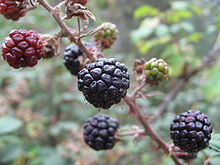 It seems that a lot has been written about the health benefits of some berries, such as blueberries, while other berries have been neglected. This study focused on red raspberries, black raspberries, and blackberries. While the study was done in Poland, it was pointed out that these berries are also commonly grown in the USA. Red raspberry, black raspberry, and blackberry fruits are abundant in dietary phytochemicals such as flavonols, phenolic acids, ellagitannins, vitamins C and E, folic acid, and β-sitosterol. Many of these bioactive compounds exhibit antioxidant activity. Anthocyanins and other phenolic compounds such as ellagitannins and ellagic acid, which distinguish raspberry from other berries, occur in high levels and are mainly responsible for their broad beneficial health properties (including anti-inflammatory, antimicrobial, and antiviral activities).
 Just a few years ago the type of pesticide (organophosphate, for example chlorpyrifos) looked at in this study was commonly used everywhere - in schools, homes, agriculture. It was easy to buy in stores (e.g., Raid spray), and was considered "safer" than older pesticides. Over time problem after problem has been found with them - with the latest being decreased lung function in children exposed to organophosphates early in life.
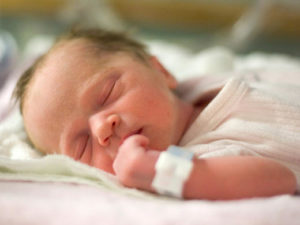 The mother is an important source of the first microbiome for infants by "seeding" the baby's microbiome - from the
  New research showed that eight days after a concussion, the concussed athletes (football players) looked and felt like they had recovered (clinical recovery), but MRIs showed that there were still neurophysiological abnormalities (significant blood flow decrease) in their brains. They did not look at if and when the blood flow returned to normal, but that research also needs to be done.
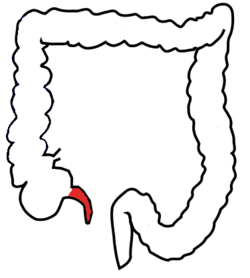 This new study gives further support for the role of the appendix as a "natural reservoir for 'good' bacteria". The researchers found that a network of immune cells (innate lymphoid cells or ILCs) safeguard the appendix during a bacterial attack and help the appendix "reseed" the gut microbiome. They also said that a person's diet, such as the proteins in leafy green vegetables, could help produce ILCs. Note that while it is thought that this applies to humans, the research was done on mice. From Medical Xpress: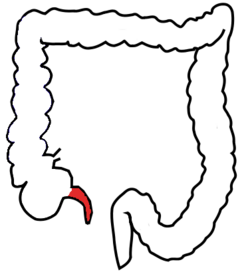
 Loneliness or social isolation is a health risk that can increase the risk of chronic illness and premature death.
 Cold and flu season will soon be here, so it's time to review sneeze basics. Here's a nice little study looking at where our sneeze germs wind up - answer: basically all over the room within a "high propulsion sneeze cloud". From Medical Xpress;