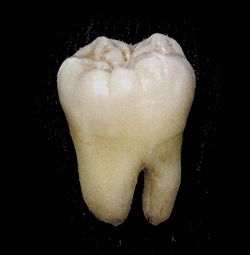
We are all encouraged to brush our teeth daily with a toothpaste containing fluoride. We assume that the toothpaste is safe and free from dangerous chemicals and heavy metals, such as lead, but it turns out that our assumptions are wrong.
A consumer group had independent lab analyses done of 51 toothpaste brands. They found toxic heavy metals in most toothpaste brands, even those marketed as green and pure. The presence of heavy metals such as lead was detected in 90%, arsenic in 65%, mercury in 47%, and cadmium in 35% of the toothpaste brands.
However, none of the brands tested had levels exceeding current FDA guidelines: the lead limit for fluoride free toothpaste is 10,000 ppb and 20,000 ppb for fluoride toothpastes. But Washington state recently enacted much lower lead level limits of 1000 ppb (and some brands exceeded those levels).
The toothpaste brands containing heavy metals (at varying levels) included Crest, Sensodyne, Tom's of Maine, Dr Bronner;s, Davids, and others. [Note: Arm and Hammer was not tested]. It is thought that the heavy metals (especially lead) was from ingredients added to many toothpaste brands: hydroxyapatite, calcium carbonate and bentonite clay.
The work was funded by The Lead Safe Mama, LLC (LSM) team. This group has been conducting independent, community-funded, scientific testing of consumer goods since 2009. Since March 2024 they have been conducting independent laboratory testing of foods, supplement, cosmetics, and personal care items.
From The Guardian: Toothpaste widely contaminated with lead and other metals, US research finds
Toothpaste can be widely contaminated with lead and other dangerous heavy metals, new research shows. ...continue reading "Lead and Heavy Metal Contamination In Toothpaste"
 Typically, our vitamin D levels drop in the winter months when we don't get as much sun exposure. After all, it is called the sunshine vitamin. However, a new

 Uh oh...So many environmental regulations dealing with the environment are being overturned this year. In addition to changing the mission of the EPA (it's no longer to protect us and the environment, but instead to roll back regulations and costs - in other words, pro polluters and Big Business), the Senate is doing its bit to make our air and water dirtier.