
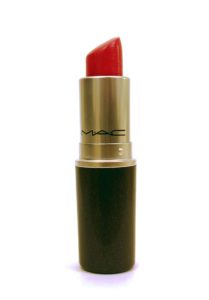
 It turns out that we are unknowingly being exposed to toxic chemicals called per- and polyfluoroalkyl substances (PFAS) in cosmetic products. A group of researchers tested 231 cosmetic products in both the US and Canada and found that about half of them had high levels of PFAS. And most of the time they were not listed on the ingredients list. Yikes!
PFAS are man-made chemicals commonly called "forever chemicals" because of how they stick around or persist in both humans and the environment. They are found in many products, such as food packaging, non-stick cookware (Teflon), and products containing stain and water-repellents.
They are known endocrine (hormone) disruptors associated with all sorts of harmful health problems, including cancers, reproductive harm (e.g. poorer semen quality), lowered sex and growth hormones in children, thyroid disease, immune effects, and liver and kidney damage. Unfortunately, they are already found in the bodies of almost all Americans (at varying levels), so we should try to reduce our exposure.
Out of 8 categories of commonly available cosmetic products tested, the ones with the highest levels of PFAS levels were foundations, mascaras, and lip products. This was especially true of cosmetics advertised as “wear-resistant” to oils and water (e.g. waterproof mascara) or “long-lasting. This means that when a person applies the cosmetics, the chemicals are getting into the person through the skin, by inhaling the chemicals, or even through the tear ducts (for example - mascara).
The 8 categories of cosmetic products tested included: lip products, eye products, foundations, face products, mascaras, concealers, eyebrow products, and miscellaneous products. Unfortunately, the researchers did not list what products had high levels, low levels, or even no PFAS.
So, if it's not in the ingredient list, then how does a person know which cosmetics are safe and which are harmful? Right now the best thing to do is to go to Environmental Working Group (EWG), and go to their consumer guide page - click on "Skin Deep" for their cosmetic data base.
In addition, this past week Senators Susan Collins (R-Maine) and Richard Blumenthal (D-Conn.) introduced the "No PFAS in Cosmetics Act". Collins said: “Our bill would require the FDA to ban the addition of PFAS to cosmetics products.”
From Science Daily: Use of PFAS in cosmetics 'widespread,' new study finds
Many cosmetics sold in the United States and Canada likely contain high levels of per- and polyfluoroalkyl substances (PFAS), a potentially toxic class of chemicals linked to a number of serious health conditions, according to new research from the University of Notre Dame. ...continue reading "Many Cosmetic Products Contain Harmful Chemicals"
 Pregnant women now have another reason to try to limit exposure to flame retardants while pregnant - having higher levels of flame retardants in their blood during pregnancy is associated with an increased risk of preterm birth.
 Many people don't realize that the plastic toys our children play with may contain harmful chemicals. Children get exposed to these chemicals by touching the toy (absorption through the skin), or ingesting chemicals (e.g. when a baby mouths the toy, or child ingests dust from the toy), but also from breathing in chemicals leaching out of all the plastic toys in the room into the air. This has been known a long time, yet here we are...
 The issue of plastics, the chemicals they contain, and the harms to human health has been documented in a
  More than a thousand manufactured chemicals that are used nowadays are endocrine disrupting chemicals, also called EDCs. Some examples of common EDCs are bisphenols (e.g.BPA and BPS), phthalates, flame retardants, water and stain-resistant chemicals, and non-stick coatings in cookware. They are found in many household and personal care products, and toys (e.g. vinyl toys).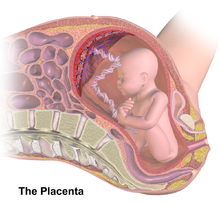
 This is rarely mentioned, but there is research showing that commonly used chemicals that we are exposed to, such as bisphenols (BPA, BPS), phthalates, persistent organic pollutants (e.g.flame retardants, nonstick cookware), heavy metals (e.g. lead), and some pesticides (e.g.chlorpyrifos, glyphosate), all have an impact on the gut microbiome in animals and humans.
 Achieve dramatically lower pesticide levels in your body in a few days! No need for "colonics" or "detox regimens". All one has to do is eat organic food to lower pesticide levels! And the more organic food in the diet, the better.