
 Researchers in Canada found that sunlight (or UVB light) on the skin changes the gut microbes (gut microbiome), especially in people with lower levels of vitamin D, that is, who are vitamin D deficient. UVB (Ultraviolet B light) exposure increased beneficial gut microbe diversity and richness in these people, as well as increasing their vitamin D levels. However, people who had been taking vitamin D supplements prior to the study, and who had sufficient vitamin D levels, did not have significant gut microbiome changes.
The researchers viewed the study results as evidence that there may be a skin-gut axis. As the researcher Vallance said: “It is likely that exposure to UVB light somehow alters the immune system in the skin initially, then more systemically, which in turn affects how favorable the intestinal environment is for the different bacteria,” suggested Vallance.
The researchers also thought that these study results (which was conducted in Vancouver, Canada, in healthy human volunteers) could help explain the protective effect of UVB light against inflammatory diseases such as multiple sclerosis (MS) or inflammatory bowel disease (IBD). And how did the researchers know what bacteria were in the gut in the study participants? They analyzed the feces with modern genetic sequencing methods. By the way, these results match what has been found in earlier studies in humans and mice.
Bottom line: Sunlight on the skin is beneficial to the gut microbiome, by increasing gut bacteria linked to health. In the study the increases in bacteria (after UVB light exposures) were in the Lachnospiraceae, Ruminococcus, and Clostridiaeae families. And nope, none of those are found in currently available probiotics. By the way, this study was conducted in winter in Canada, so the effects of UVB light were clearly seen in the healthy volunteers. This study supports getting some sunlight exposure (on the skin), and perhaps supplementing with vitamin D in the winter.
From Medical Xpress: Where the sun doesn't shine? Skin UV exposure reflected in poop ...continue reading "Exposure To Sunlight Improves Gut Microbes and Vitamin D Levels"
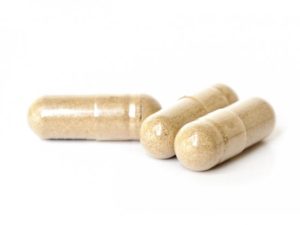 Researchers are starting to raise concerns about routine daily intake of probiotics for "gut health". Much is still unknown, but problems are starting to appear. A healthy gut contains hundreds of species (bacteria, fungi, viruses), and taking megadoses of a few species (a probiotic supplement) can overwhelm the normal gut microbial community. A healthy gut is one with a greater diversity of species, not just some species.
 The evidence is building, study by study, that we are all exposed to a mixture of hormone disrupting chemicals (endocrine disruptors) on a daily basis, and that these have serious health effects, including on the developing fetus during pregnancy.
  Food is all important for health. A
  Reading the following study, I thought to myself - OK, once again someone is testing a supplement, but generally studies find that supplements don't do as well as real, actual foods in whatever is being tested. In this case, a supplement containing lycopene, which is found in tomatoes,
  Very depressing news about football.
 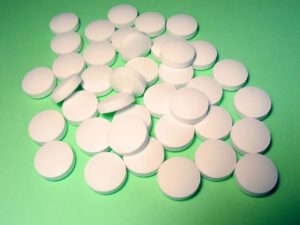 Once again a study finds health problems from supplements. This time,
  Good news for women who really like to eat onions and garlic! A
  Did you know that many tea bags contain plastic or are made totally from plastic? And that tiny pieces of plastic (microplastics) from these teabags are released into the hot water when brewing tea?
 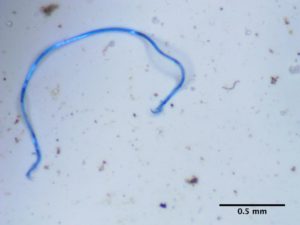 There have been a number of studies finding microplastics (tiny bits of plastic smaller than 5mm) in seafood,