
 For several years I've been reporting on the effects of pesticides on bees. Yes, it's all bad because pesticides kill bees. Commonly used pesticides such as pyrethroids that many view as "safe" kill bees. Pyrethroids are broad spectrum insect killers, which means they kill both beneficial bees and other pollinators, as well as potentially harmful insects (mosquitos).
A recent study confirmed that pesticides are a major reason that wild bee populations are significantly down in the US. The researchers found that bee species are about 43% down in areas of heavy pesticide use. They singled out pesticides (insecticides) such as neonicotinoids and pyrethroids as drivers of this bee species reduction. They pointed out that using Integrated Pest Management (IPM) or organic methods would help reduce pesticide use and so help with bee species populations.
This means that businesses (e.g., Mosquito Joe) that apply long-lasting pyrethroids throughout suburban yards and hedges in the US are contributing directly to bee species reduction.
Other studies found that applying pesticides (no matter what kind) to lawns destroys bee populations and reduces the number of bee species. Think of lawns that are not treated with pesticides as having wildflowers, not weeds. These are bee habitats!
From Environmental Health News (EHN):
A recent study published in Nature Sustainability found that pesticide use may be a major factor in the decline of bee populations within the United States. ...continue reading "Pesticides Are Contributing To Bee Declines"
 The province of New Brunswick in Canada is home to a mysterious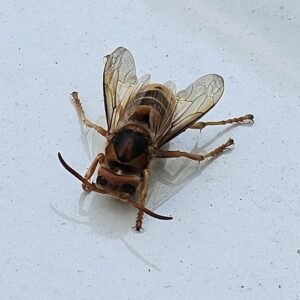

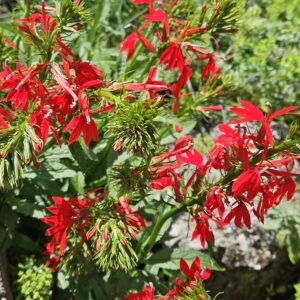
 This year a number of persons reported to me that when their neighbors started with mosquito and tick control pesticide applications, they no longer have bees or butterflies in their yards. Even if they have lots of bee and butterfly friendly flowers, or lots of clover - they now rarely or never see bees and butterflies. This has also been my experience.
 Bees are pollinators
 Update to the toxic pesticide acephate story of
  For a while now researchers have been finding that certain environmental chemical exposures are linked to the development of amyotrophic lateral sclerosis (ALS), which is commonly called Lou Gehrig's disease. Frequent exposure to pesticides and heavy metal and VOC exposure in solvents (e.g., in woodworking) are linked to ALS.