 Pesticides are once again in the news as being linked to cancer. A recent study found that 22 pesticides show direct associations with prostate cancer in the US, and 4 of these pesticides are associated with death from prostate cancer.
The Stanford Univ. researchers also found that the more these pesticides were used in a county-wide area, the greater the association with prostate cancer. They analyzed a total of 295 pesticides across US counties. One of the pesticides associated with prostate cancer is 2,4-D, which is commonly used on lawns as a weed-killer, for example in Feed and Weed products. [Note: it was also one of the 2 pesticides in Agent Orange).
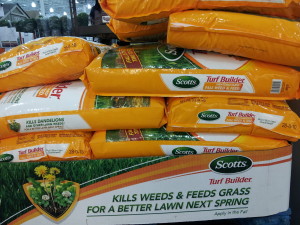 Earlier studies also found a link with some of the pesticides and prostate cancer, including 2,4-D. But this study found a link with 19 more.
The four pesticides associated with death from prostate cancer are three herbicides (trifluralin, cloransulam-methyl, and diflufenzopyr) and one insecticide (thiamethoxam). But of these, only trifluralin is classed by the Environmental Protection Agency as a "possible human carcinogen". (Yes, current studies used to evaluate pesticides are inadequate)
Bottom line: Avoid the use of pesticides as much as possible. Organic methods or least toxic integrated pest management (IPM) is best. On lawns - embrace diversity and view weeds as wildflowers, and your lawn a bee habitat.
From Medical Xpress: Study reveals links between many pesticides and prostate cancer
Researchers have identified 22 pesticides consistently associated with the incidence of prostate cancer in the United States, with four of the pesticides also linked with prostate cancer mortality. The findings are published in Cancer. ...continue reading "Some Pesticides Are Linked to Prostate Cancer"
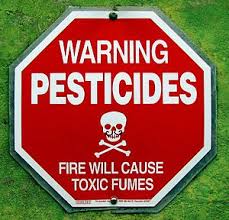 Now, this is wild, but it makes sense. A former executive of the giant pesticide company Monsanto started a

 For years it has been known that former professional football players are at risk for chronic traumatic encephalopathy (CTE). A recent
 Once again, another study found that being exposed to pesticides has harmful health effects. Of all sorts. A recent
  Well, well, well...small American organic farms get crushed again. A hazelnut famer sued on behalf of himself and other organic farmers regarding the fact that organic imported foods don't have to meet all the organic requirements that American grown organic foods have to meet. Things like inspections, bookkeeping, and evidence that the foods grown are actually organic.
 Many people in densely populated towns very close to New York City were surprised that they could see the aurora borealis last night. It's usually hard to even see stars because of the light pollution.