 There has been tremendous interest in the past decade over the best diet and lifestyle for aging well and living to a ripe old age. Author Dan Buettner has spent much of the past decade visiting communities around the world where there are many residents who live to 100 years or more, and in good health. He calls these communities blue zones.
Dan Buettner now has a good National Geographic documentary on Netflix called Live to 100: Secrets of the Blue Zones. This documents him visiting Blue Zones (Ikaria, Greece; Okinawa, Japan; Sardinia, Italy; Loma Linda, Calif.; and Nicoya Peninsula, Costa Rica) looking at the lifestyles and diets in this communities.
He found that while the diets vary, overall the people in these communities have a lot of plant based whole foods (especially whole grains, vegetables, beans, and tubers, such as sweet potatoes), and they avoid fast-food and highly processed foods. They do not take dietary supplements. They have a lot of physical activity in their daily activities, are committed to their families, take time to de-stress, and they have social networks with healthy behaviors.
He also recently published a book called The Blue Zones Secrets for Living Longer: Lessons From the Healthiest Places On Earth.
 Congenital syphilis rates are rising in the United States. This is when a pregnant woman has syphilis and transmits it to the developing baby (fetus). It results in serious long-term problems for the baby (e.g., stillbirth, deformities, neurological problems, hearing loss) .
 A recent small
  Buyer beware when it comes to lawn care services. Lately I've been seeing a number of lawn care companies saying they offer "organic-based" or "organic weed-free lawn care" or "natural lawn care". Nope, nope, nope.
 A recent large study found another great reason for being physically active. The
 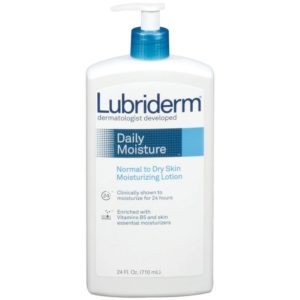 Do you know what chemicals you're exposed to on a daily basis? A recent study found that women with cancers of the breast, uterus, skin (melanoma), or ovaries had significantly higher levels of certain endocrine disrupting chemicals in their bodies than women without any of those cancers.
 This site spends a lot of time discussing the nasal passages and sinuses. That's why