
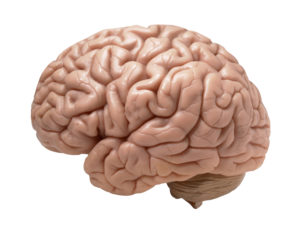
 No one should be surprised that chronic traumatic encephalopathy (CTE) has now been diagnosed (after death) in a female professional athlete - Heather Anderson. Years of repeated head trauma, whether from concussions or subconcussive hits, can eventually cause CTE. Head trauma, whether in males or females, occurs from body hits in football, rugby, heading the ball in soccer, and checking in ice hockey.
Heather Anderson was an Australian rules football player who started playing when she was 5, also played rugby, and eventually competed in the top women's Australian rules football league, retired at 23 after a shoulder injury, and committed suicide at 28. Both Australian rules football and rugby are contact sports. After death, her brain was examined and found to have the lesions characteristic of CTE.
CTE symptoms include memory loss, impaired judgement, confusion, aggression, depression, thinking about suicide, and eventually dementia. There is progressive degeneration of brain tissue in CTE, as well as build-up of the abnormal protein tau in the brain.
From NY Times: C.T.E. Found for First Time in Female Pro Athlete
For the first time, the degenerative brain disease chronic traumatic encephalopathy, or C.T.E., has been diagnosed in a female professional athlete, researchers reported. ...continue reading "CTE Found In Female Professional Athlete"

 Could this be another paradigm shift in medical care? This time it's substituting a non-surgical approach vs the current surgical approach for ACL ruptures.
 Recent studies suggest that "vaginal seeding " of a newborn is
  Today is the summer solstice. It's the first day of summer in the Northern Hemisphere. Enjoy!
 A recent study was good news for those wishing to lower their chances of developing heart disease (cardiovascular disease) without the use of medications. Instead, focus on the foods you eat, specifically those in a Mediterranean-style diet.
 Holy moly! Our carbon dioxide levels are rising, really rising! Every year there is a new high, and this year is no exception.
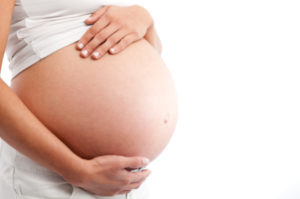 It absolutely makes sense that a good diet before and during pregnancy is associated with better pregnancy outcomes, including the risk for miscarriage.
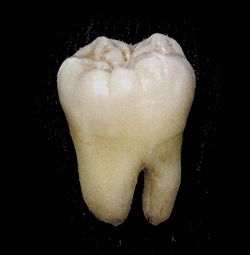 More clues were revealed in a recent study about the microbes involved in the formation of tooth decay and cavities (dental caries). Scientists and dentists have long known about Streptococcus mutans involvement in cavity formation, but they found that another bacterial species can also be involved.