
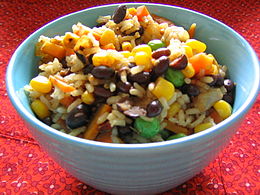
 There has been a lot of concern with the rising incidence of type 2 diabetes in the US and other countries. Along with that is an interest in blood glucose levels after meals (postprandial blood glucose response or PBGR). Glucose is a type of sugar that slightly rises after a meal, and some types of foods rise it more than others. It is thought that big spikes in glucose levels in the blood are unhealthy for both long-term health and also if one has diabetes. A nicely done Canadian study (people randomly assigned to groups) found that swapping out half of a portion of starchy potatoes or rice with lentils reduced levels of blood glucose levels by 20% (when replacing rice) to 35 % (replacing potatoes).
What foods are pulses? Pulses are dried seeds of legume plants, and include all lentils, dry beans, and dry peas. This includes, baked beans, all lentils (red, green, yellow, brown), chickpeas (garbanzo beans), black-eyed peas, runner beans, fava beans, kidney beans, lima beans, haricots, cannellini beans, pinto beans, etc. They provide fiber in the diet and are a great source of protein. From Science Daily: Lentils significantly reduce blood glucose levels
Replacing potatoes or rice with pulses can lower your blood glucose levels by more than 20 per cent, according to a first-ever University of Guelph study. Prof. Alison Duncan, Department of Human Health and Nutritional Sciences, and Dan Ramdath of Agriculture and Agri-Food Canada, found that swapping out half of a portion of these starchy side dishes for lentils can significantly improve your body's response to the carbohydrates. ...continue reading "Eating Lentils Has Health Benefits"
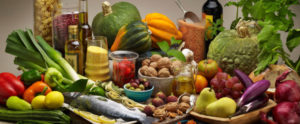 Once again, a study linked a person's diet with the chances of getting age-related macular degeneration (AMD).
  Another study has found that the most common vitamin and mineral supplements (multivitamins, vitamin D, calcium, and vitamin C), don't offer hoped for health benefits, and may actually carry some risks. This
 Something a little different today. For years I've posted studies showing that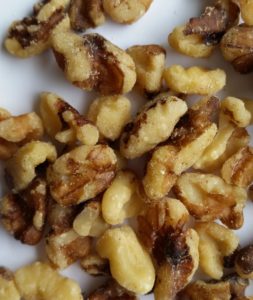
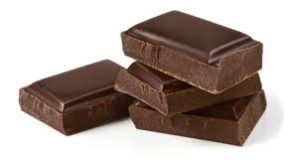 A wacky
  The
The