Skip to content

Stop drinking soda every day! Research finds that a daily sugar-sweetened beverage habit may increase the risk for non-alcoholic fatty liver disease (NAFLD). Earlier research has already linked daily sugar-sweetened beverages (typically soda) to type 2 diabetes and cardiovascular disease. And try to avoid high-fructose corn syrup in general (found in many highly processed foods) . From Medical Xpress:

Daily sugar-sweetened beverage habit linked to non-alcoholic fatty liver disease

A daily sugar-sweetened beverage habit may increase the risk for non-alcoholic fatty liver disease (NAFLD), researchers from the Jean Mayer USDA Human Nutrition Research Center on Aging (USDA HRNCA) at Tufts University report today in the Journal of Hepatology.

The researchers analyzed 2,634 self-reported dietary questionnaires from mostly Caucasian middle-aged men and women enrolled in the National Heart Lunch and Blood Institute (NHLBI) Framingham Heart Study's Offspring and Third Generation cohorts....The participants underwent a computed tomography (CT) scan to measure the amount of fat in the liver and the authors of the current study used a previously defined cut-point to identify NAFLD. They saw a higher prevalence of NAFLD among people who reported drinking more than one sugar-sweetened beverage per day compared to people who said they drank no sugar-sweetened beverages.

The relationships between sugar-sweetened beverages and NAFLD persisted after the authors accounted for age, sex, body mass index (BMI), and dietary and lifestyle factors such as calorie intake, alcohol, and smoking. In contrast, after accounting for these factors the authors found no association between diet cola and NAFLD.

NAFLD is characterized by an accumulation of fat in the liver cells that is unrelated to alcohol consumption. NAFLD is diagnosed by ultrasounds, CT, MRI, or biopsy, and many of the approximately 25% of Americans with the disease don't experience any symptoms. Being obese or overweight increases the risk for NAFLD and people with NAFLD are at greater risk of developing cardiovascular disease and type 2 diabetes.Sugar-sweetened beverages are a major dietary source of fructose, the sugar that is suspected of increasing risk of NAFLD because of how our bodies process it.

Textbooks will have to be rewritten with the recent discovery of a system of lymphatic vessels that are a direct link from the immune system to the brain. Amazing that after centuries of studying people, that only now was this system detected (but they are very small and they follow a major blood vessel down into the sinuses). After extensive research,  the researchers determined that these vessels carry both fluid and immune cells from the cerobrospinal fluid, and that they exist in humans. The discovery reinforces findings that immune cells are present even within healthy brains, a notion that was doubted until recently.From Medical Daily:

Discovery Of 'Missing Link' Between Brain And Immune System Could Change How Disease Is Studied

The recent discovery of a "missing link" between the brain and the immune system may lead to a complete revision of biology textbooks. The link, vessels of the lymphatic system that run through the sinuses, were previously unidentified and thought not to exist. However, the true significance of the discovery lies in the potential effects this finding could have on both the study and treatment of neurological diseases such as Alzheimer’s disease and multiple sclerosis.  

The newly discovered "central nervous system lymphatic system vessels" follow a major blood vessel down into the sinuses, an area that has been traditionally difficult to obtain images of. Their presence is causing a stir in the medical world, as the researchers responsible believe the vessels may help to explain current medical mysteries, such as why patients with Alzheimer’s disease have accumulations of large protein plaques in the brain.

The fascinating discovery was made by researchers at the University of Virginia School of Medicine, and a study on the finding is currently available in the online journal Nature....Using a recently developed method, the team mounted the meninges, the membranes covering the brain, on a single slide so that they could be better observed. Only after doing this were they able to notice the brain’s elusive lymphatic vessels.   "It's so close to the blood vessel, you just miss it," Kipnis said. "If you don't know what you're after, you just miss it."

The team believes that the “missing link” between the brain and the immune system could explain why some diseases like Alzheimer’s can cause plaque buildup in the brain. Kipnis believes this plaque may be the result of the meningeal lymphatic vessels not efficiently removing buildup before it reaches the brain. Although scientists are currently not sure what causes cell death and tissue loss in the brains of those with Alzheimer’s, this plaque buildup is believed to play a role.

It’s not just the presence of plaque in the brain that the researchers hope this discovery can shed light on. According to Kipnis, this discovery could completely change the way we perceive the neuro-immune interaction.“We believe that for every neurological disease that has an immune component to it, these vessels may play a major role,” Kipnis said. “Hard to imagine that these vessels would not be involved in a [neurological] disease with an immune component.”The vessels also appear to look different with age, which has lead the researchers to suggest that they may play a role in the aging process.


Maps of the lymphatic system: old (left) and updated to reflect UVA's discovery.   Credit: University of Virginia Health System

New noteworthy research links commonly used household pyrethroid pesticides to attention deficit hyperactive disorder (ADHD) in children and young teens, especially boys. Ome drawback was that the results were based on a single urine sample.Since pyrethroids are non-persistent and rapidly metabolized, then looking at numerous samples over time would have provided a more accurate assessment of typical long-term exposure. Given how many households use pyrethroid pesticides and that there are seasonal variations in pesticide use, then it wouldn't be surprising if there are times when pyrethroid exposure is higher and so the link to ADHD may even be stronger than seen in this original study.From Medical Xpress:

Study links exposure to common pesticide with ADHD in boys

A new study links a commonly used household pesticide with attention deficit hyperactivity disorder (ADHD) in children and young teens.The study found an association between pyrethroid pesticide exposure and ADHD, particularly in terms of hyperactivity and impulsivity, rather than inattentiveness. The association was stronger in boys than in girls.

Due to concerns about adverse health consequences, the United States Environmental Protection Agency banned the two most commonly used organophosphate (organic compounds containing phosphorus) pesticides from residential use in 2000-2001. The ban led to the increased use of pyrethroid pesticides, which are now the most commonly used pesticides for residential pest control and public health purposes. They also are used increasingly in agriculture.

Pyrethroids have often been considered a safer choice because they are not as acutely toxic as the banned organophosphates. Animal studies, on the other hand, suggested a heightened vulnerability to the effects of pyrethroid exposure on hyperactivity, impulsivity and abnormalities in the dopamine system in male mice. Dopamine is a neurochemical in the brain thought to be involved in many activities, including those that govern ADHD.

The researchers studied data on 687 children between the ages of 8 and 15. The data came from the 2000-2001 National Health and Nutrition Examination Survey (NHANES),...included a diagnostic interview of children's ADHD symptoms and pyrethroid pesticide biomarkers. Pesticide exposure measurements were collected in a random sample of the urine of half the 8-11 year olds and a third of the 12-15 year olds. ADHD was determined by meeting criteria on the Diagnosic Interview Schedule for Children,...

Boys with detectable urinary 3-PBA, a biomarker of exposure to pyrethroids, were three times as likely to have ADHD compared with those without detectable 3-PBA. Hyperactivity and impulsivity increased by 50 percent for every 10-fold increase in 3-PBA levels in boys. Biomarkers were not associated with increased odds of ADHD diagnosis or symptoms in girls.

New research shows that wearing contact lenses could significantly change the bacteria of the eye’s surface, making it more susceptible to infection. NYU Langone Medical Center researchers analyzed swabs from both contact-wearers and non-wearers to determine the number and type of bacterial species that lived on the surface of their eyes—the eye’s microbiome as well as the skin below the eye.

They found that the eye microbiome of contact lens wearers is more similar in composition to the microbiome of their skin than the eye microbiome of non-lens wearers.

Note that infections often come when people don’t take proper care of their lenses—sleeping in them overnight, or not cleaning them well or often enough so most eye doctors have shifted to recommending daily lenses. 

From Medical News Today: Alterations to the eye microbiome of contact lens wearers may increase infections

Contact lens wearers - ever wondered why you are more likely to experience eye infections than your contacts-less friends? Researchers from NYU Langone Medical Center in New York City think they may have found the answer, in a study that used high-precision genetic tests to map the human microbiome....the NYU Langone researchers report that micro-organisms residing in the eyes of people who wear contact lenses daily more closely resemble micro-organisms residing in eyelid skin than the bacteria usually found in the eyes of people who do not wear contacts.

The researchers took hundreds of swabs of different parts of the eye, including the skin directly beneath the eye. Genetic analysis of swabs and used contact lenses allowed the team to identify which bacteria were present. Comparing nine contact lens wearers with 11 non-contacts users, the team found three times the usual proportion of the bacteria Methylobacterium, Lactobacillus, Acinetobacter and Pseudomonas on the eye surfaces (conjunctiva) of contact lens wearers than on the eye surfaces of the control group.

Examining the bacterial diversity using a plotted graph, the team observed that the eye microbiome of contact lens wearers is more similar in composition to the microbiome of their skin than the eye microbiome of non-lens wearers

Interestingly, the researchers say, Staphylococcus bacteria was found in greater amounts in the eyes of non-lens wearers. Staphylococcus is linked with eye infections, but is usually more prominent on the skin. However, the researchers are unable to explain why non-lens wearers have greater amounts of this bacteria, despite this group traditionally having fewer eye infections than people who wear contacts.

Study author Dr. Jack Dodick, professor and chair of ophthalmology at NYU Langone, says:"There has been an increase in the prevalence of corneal ulcers following the introduction of soft contact lenses in the 1970s. A common pathogen implicated has been Pseudomonas. This study suggests that because the offending organisms seem to emanate from the skin, greater attention should be directed to eyelid and hand hygiene to decrease the incidence of this serious occurrence."

Prostate cancer diagnosis is scary enough, but knowing that dietary changes can increase favorable odds is good. Once again a Mediterranean style diet  or "healthy diet"(whole grains, fruits, vegetables, seeds, nuts, legumes, olive oil, and fish) is beneficial, while a Western diet (highly processed foods, red meat, processed meat, and dairy) is linked to higher rates of death. This study was from the Harvard School of Public Health and followed male physicians for an average of 14 years after prostate cancer diagnosis. From Science Daily:

Western diet may increase risk of death after prostate cancer diagnosis

After a prostate cancer diagnosis, eating a diet higher in red and processed meat, high-fat dairy foods, and refined grains--known as a Western diet--may lead to a significantly higher risk of both prostate cancer-related mortality and overall mortality compared with eating a diet rich in vegetables, fruits, fish, whole grains, legumes, and healthy oils, according to a new study from Harvard T.H. Chan School of Public Health.

The study, which appears online June 1, 2015 in the journal Cancer Prevention Research, offers insight on how diet may help improve survivorship for the nearly three million men living with prostate cancer in the U.S."There is currently very little evidence to counsel men living with prostate cancer on how they can modify their lifestyle to improve survival. Our results suggest that a heart-healthy diet may benefit these men by specifically reducing their chances of dying of prostate cancer," said Jorge Chavarro, assistant professor of nutrition and epidemiology at the Harvard Chan School and senior author of the study.

Researchers examined health and diet data from 926 men participating in the Physicians' Health Study I and II who were diagnosed with prostate cancer. They followed the men for an average of 14 years after their diagnosis, grouping them into quartiles according to whether they followed a Western dietary pattern or a "prudent" (higher consumption of vegetables, fruits, fish, legumes, and whole grains) dietary pattern.

They found that men who ate mostly a Western diet (those in the highest quartile of the Western dietary pattern) had two-and-a-half times higher risk of prostate cancer-related death--and a 67% increased risk of death from any cause--than those in the lowest quartile. Men who ate mostly a "prudent" diet had a 36% lower risk of death from all causes.

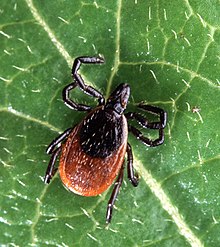
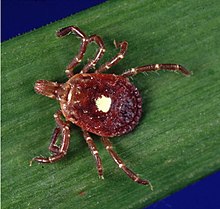
I know of a number of people in NY and NJ who have been struggling for years with persistent Lyme disease. So this research with the possibility of treatments that actually work is fantastic. And it gives support to all those people who say they still have Lyme disease after antibiotic treatment, but the medical establishment says they're wrong -  that it's all their mind or due to something else. Yes, they still have Lyme disease from persister cells that avoided the antibiotic treatment! Persister cells are drug-tolerant,dormant variants of Borrelia burgdorferi  (the bacterium that causes Lyme disease). And perhaps pulse-dosing antibiotics may work to get rid of the persister cells. The antibiotic they successfully used in the research is ceftriaxone (a cephalosporin antibiotic) - but only in cultures grown in a lab. Further research is needed. From Science Daily:

Researchers' discovery may explain difficulty in treating Lyme disease

North­eastern Uni­ver­sity researchers have found that the bac­terium that causes Lyme dis­ease forms dor­mant per­sister cells, which are known to evade antibi­otics. This sig­nif­i­cant finding, they said, could help explain why it's so dif­fi­cult to treat the infec­tion in some patients.

In other chronic infec­tions, Lewis' lab has tracked the resis­tance to antibi­otic therapy to the pres­ence of per­sister cells--which are drug-tolerant, dor­mant vari­ants of reg­ular cells. These per­sister cells are exactly what they've iden­ti­fied here in Bor­relia burgdor­feri, the bac­terium that causes Lyme disease.The researchers have also reported two approaches--one of them quite promising--to erad­i­cate Lyme dis­ease, as well as poten­tially other nasty infections.

Lyme dis­ease affects 300,000 people annu­ally in the U.S., according to the Cen­ters for Dis­ease Con­trol and Pre­ven­tion, and is trans­mitted to people via bites from infected black­legged ticks. If caught early, patients treated with antibi­otics usu­ally recover quickly. How­ever, about 10 to 20 per­cent of patients, par­tic­u­larly those diag­nosed later, who have received antibi­otic treat­ment may have per­sis­tent and recur­ring symp­toms including arthritis, muscle pain, fatigue, and neu­ro­log­ical prob­lems. These patients are diag­nosed with Post-treatment Lyme Dis­ease Syndrome.

In addi­tion to iden­ti­fying the pres­ence of these per­sister cells, Lewis' team also pre­sented two methods for wiping out the infection--both of which were suc­cessful in lab tests. One involved an anti-cancer agent called Mit­o­mycin C, which com­pletely erad­i­cated all cul­tures of the bac­terium in one fell swoop. How­ever, Lewis stressed that, given Mit­o­mycin C's tox­i­city, it isn't a rec­om­mended option for treating Lyme dis­ease, though his team's find­ings are useful to helping to better under­stand the disease.

The second approach, which Lewis noted is much more prac­tical, involved pulse-dosing an antibi­otic to elim­i­nate per­sis­ters. The researchers intro­duced the antibi­otic a first time, which killed the growing cells but not the dor­mant per­sis­ters. But once the antibi­otic washed away, the per­sis­ters woke up, and before they had time to restore their pop­u­la­tion the researchers hit them with the antibi­otic again. Four rounds of antibi­otic treat­ments com­pletely erad­i­cated the per­sis­ters in a test tube.

"This is the first time, we think, that pulse-dosing has been pub­lished as a method for erad­i­cating the pop­u­la­tion of a pathogen with antibi­otics that don't kill dor­mant cells," Lewis said. "The trick to doing this is to allow the dor­mant cells to wake up.

Once again, research results finding that some daily physical activity (here 30 minutes 6 days a week) is linked to a lower risk of death (here 40% lower risk from any cause for elderly men).

The researchers said the increased physical activity levels was as good for health as giving up smoking, and the men who regularly engaged in moderate to vigorous activity lived on average 5 years longer then sedentary men. In this study the men had been observed over a 12 year period.

From Science Daily: Half hour of physical activity 6 days a week linked to 40 percent lower risk of early death

Thirty minutes of physical activity -- irrespective of its intensity -- six days a week is linked to a 40 percent lower risk of death from any cause among elderly men, finds new research. Boosting physical activity levels in this age group seems to be as good for health as giving up smoking, the findings suggest.

The researchers base their findings on people taking part in the Oslo Study, which invited almost 26,000 men born between 1923 and 1932 for a health check in 1972-3 (Oslo I).Some 15,000 agreed....These were categorised as sedentary (watching TV/reading); light (walking or cycling, including to and from work for at least 4 hours a week); moderate (formal exercise, sporting activities, heavy gardening for at least 4 hours a week); and vigorous (hard training or competitive sports several times a week).

Some 6000 of the surviving men repeated the process in 2000 (Oslo II) and were monitored for almost 12 years to see if physical activity level over time was associated with a lowered risk of death from cardiovascular disease, or any cause, and if its impact were equivalent to quitting smoking.During the monitoring period, 2154 out of the 5738 men who had gone through both health checks died.

The analysis indicated that less than an hour a week of light physical activity was not associated with any meaningful reduction in risk of death from any cause. But more than an hour was linked to a 32% to 56% lower risk.

Less than an hour of vigorous physical activity, on the other hand, was linked to a reduction in risk of between 23% and 37% for cardiovascular disease and death from any cause.The more time spent doing vigorous exercise the lower the risk seemed to be, falling by between 36% and 49%.And men who regularly engaged in moderate to vigorous physical activity during their leisure time lived five years longer, on average, than those who were classified as sedentary.

Interesting, but very preliminary observational research, and there could be various explanations for the results suggesting that the microbiome (community of microbes) of a toddler's gut may influence their behavior. The researchers did not think these differences were diet related, but they had not studied the diet in depth. From Science Daily:

Toddler temperament could be influenced by different types of gut bacteria

The microbiome of a toddler's gut may influence their behavior, a new study suggests. Researchers from The Ohio State University studied microbes from the gastrointestinal tracts of children between the age of 18 and 27 months, and found that the abundance and diversity of certain bacterial species appear to impact behavior, particularly among boys. The correlation exists even after the scientists factored in history of breastfeeding, diet and the method of childbirth -- all of which are known to influence the type of microbes that populate a child's gut. 

Christian and study co-author, microbiologist Michael Bailey, PhD, studied stool samples from 77 girls and boys, and found that children with the most genetically diverse types of gut bacteria more frequently exhibited behaviors related with positive mood, curiosity, sociability and impulsivity. In boys only, researchers reported that extroverted personality traits were associated with the abundances of microbes from the Rikenellaceae and Ruminococcaceaefamilies and Dialister and Parabacteroides genera.

"There is definitely communication between bacteria in the gut and the brain, but we don't know which one starts the conversation," said Dr. Bailey...Overall, associations of temperament with the gut microbiome in girls were fewer and less consistent than boys. However, in girls, behaviors like self-restraint, cuddliness and focused attention were associated with a lower diversity of gut bacteria, while girls with an abundance of Rikenellaceae appeared to experience more fear than girls with a more balanced diversity of microbes.

To identify correlations between gut bacteria and temperament, researchers asked mothers to assess kid's behavior using a questionnaire which measures 18 different traits that feed into three composite scales of emotional reactivity: Negative Affect, Surgency/Extraversion and Effortful Control. Scientists looked at the different genetic types and relative quantity of bacteria found in the toddler's stool samples along with their diets.

Similar to other child behavior studies, researchers separated their findings by gender to analyze temperament. Overall, the study found few differences in the abundance and types of gut microbiota between girls and boys.Both researchers say that parents shouldn't try to change their child's gut microbiome just yet. Scientists still don't know what a healthy combination looks like, or what might influence its development.

People are correctly raising the issue of whether the positive results (less diabetic nerve pain in type 2 diabetics) are due to the weight loss or to the vegan diet (which caused the quick weight loss)? I suspect it's the average 15 pound weight loss, which lowers inflammation and improves blood flow to the feet. And substituting whole plant-based foods (fruits, vegetables, whole grains, etc) for unhealthy highly processed foods has many health benefits, including controlling blood sugar. They all took B12 supplements because: B12 is found naturally only in animal products, so it's lacking in vegan diets; the diabetic medicine metformin lowers B12 levels; and a deficiency in vitamin B12 can actually cause nerve damage. Bottom line which applies to both diabetics and non-diabetics: some weight loss is good (if overweight), as is increasing beans, nuts, whole grains, vegetables, fruit and plant-based oils in the diet. From Medical Xpress:

Vegan diet might ease diabetic nerve pain

A vegan diet might help people with diabetes-related nerve damage shed weight and find some pain relief, a small pilot study suggestsVegan diets are free of all animal products, including eggs and dairy. Instead, people get their protein, fat and all other nutrients from foods such as beans, nuts, whole grains, vegetables, fruit and plant-based oils.

In the new study, researchers tested whether a vegan diet could help people with type 2 diabetes and painful nerve damage in their feet or hands. The investigators found that over 20 weeks, the 17 people they assigned to the diet lost an average of 15 pounds. At the same time, blood flow to their feet improved and their pain eased up.

But it's not clear that you have to go vegan to do that. "It's hard to say that it's this particular diet, itself," said Dr. Maria Pena, an endocrinologist and weight-management specialist at Lenox Hill Hospital in New York City..... Losing extra fat can decrease inflammation in the body, and improve a person's mobility—both of which could help ease diabetic nerve pain, she explained. Plus, Pena said, better blood sugar control is key to reducing diabetic nerve pain—and the vegan dieters in this study did rein their sugar levels in. That shows the all-plant diet had benefits, according to Pena. But, she said, any diet that encourages weight loss and replaces processed foods with healthy "whole" foods might do the same.

About half of all people with diabetes eventually develop nerve damage because of chronically high blood sugar levels, according to the U.S. National Institutes of Health.The nerve damage—known as neuropathy—can occur anywhere, but most often affects the feet and legs. It can trigger sharp pain, burning sensations, tingling or sensitivity to even a light touch; it also makes people susceptible to serious foot problems, including ulcers and infections.

For the study, Wells and her colleagues recruited 34 adults with type 2 diabetes and painful neuropathy. They randomly assigned half to follow a vegan diet and take a vitamin B12 supplement; the rest took the supplement but stuck with their normal diets. The dieters were told to limit themselves to 20 to 30 grams of fat per day, and to load up on "low GI" foods, which are foods that do not cause a large surge in blood sugar.Breakfast might include oatmeal with raisins, Wells said, while dinner could be lentil stew, or a vegetable stir-fry with rice. After about five months, the vegan group had lost 15 pounds, on average, versus about 1 pound in the comparison group. They also reported bigger improvements on a standard pain-rating survey.

Low levels of vitamin D are associated with low levels of testosterone in healthy middle-aged men. Note that hypovitaminosis D means low levels of vitamin D in the blood, defined by a lab test as "25-hydroxyvitamin D level below 30.0 ng/LInterestingly, being overweight also seems to lower the testosterone level, and losing weight raises the level, and supplementing with vitamin D may raise the testosterone level in those with low levels (the German study mentioned in the article). And research with mice suggests that there is something about testosterone synthesis that needs vitamin D. From Medscape:

Low Vitamin D Tied to Testosterone Dip in Healthy Men

Low levels of vitamin D are significantly and independently associated with low levels of testosterone in otherwise healthy middle-aged men, according to a study presented at the American Urological Association 2015 Annual Meeting in New Orleans. 

In this new analysis of data from of the World Trade Center CHEST program, blood samples from 824 men were analyzed for various parameters, such as 25-hydroxyvitamin D and total testosterone. Hypovitaminosis D was defined as a 25-hydroxyvitamin D level below 30.0 ng/L.

Level of 25-hydroxyvitamin D were insufficient in 68% of the samples....Total testosterone was higher in men with normal levels of 25-hydroxyvitamin D than in men with lower levels...."subjects with hypovitaminosis D still had significantly lower total testosterone than those with normal total testosterone (P = .019)," Dr McLaughlin and her colleagues report. When levels of 25-hydroxyvitamin D were lower, body mass index was higher than when levels were normal (30.8 vs 29.12 kg/m²; P < .001), waist circumference was greater (41.3 vs 39.8 inches; P < .001), and lipid profiles were less favorable.

In previous studies, testosterone levels were shown to be lower in mice who had the vitamin D receptor genetically deleted, said Dr McLaughlin."This suggests that there is something about testosterone synthesis that needs vitamin D," she explained.

In a small German study of healthy overweight men with a low baseline level of 25-hydroxyvitamin D and testosterone levels at the lower end of the reference range, there was a significant increase in total testosterone levels after 12 months of vitamin D 3000 IU daily (Horm Metab Res. 2011;43:223-225)...the German study was primarily a weight-loss study, and weight loss in and of itself causes increases in testosterone."We see that in patients who undergo bariatric surgery to remove visceral fat," he explained. "Once the weight loss has taken place, their testosterone levels normalize independent of anything else."