
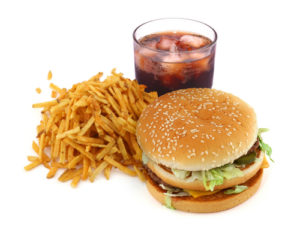
 Ultra-processed foods are linked to many health harms, including heart disease and type 2 diabetes. A recent large study of women found that they are also linked to colon adenomas (polyps) - which are precursors to colorectal cancer. The more ultra-processed foods in the diet, the higher the risk of polyps (adenomas).
There was a 45% greater risk of polyps in the group eating the most ultra-processed foods (about 10 servings per day), when compared to those eating the fewest ultra-processed foods (about 3 servings per day).
The researchers point out that the rise in the rates of colorectal cancer has occurred with the rise of ultra-processed food consumption. Currently, more than 50% of the diet of Americans consists of ultra-processed foods.
Other researchers suggest that there may be other contributing factors to the rise in colorectal cancer, such as low fiber in the diet (typical Western diet), and microplastics in the environment, which are found in our food, water, and beverages.
Bottom line: Eat a diet rich in whole grains, fruits, vegetables, nuts, seeds, and legumes. This will increase the amount of fiber in your diet, and lower your intake of ultra-processed foods. Read ingredient labels and if there is something that normally is not found in a person's kitchen, then it is ultra-processed.
Examples of ingredients found in ultra-processed foods: emulsifiers, carrageenan, mono- and diglycerides, soy lecithin, polysorbate, cellulose, colors, titanium dioxide, high fructose corn syrup, hydrogenated oils, dextrose, whey protein, nitrates, artificial flavors, natural flavors, colors, etc.
From Medical Xpress: Ultra-processed foods tied to higher rates of early-onset colorectal cancer precursors in adults
Colorectal cancer used to be associated with old age, but diagnoses have become increasingly common in adults aged 50 or younger particularly in high-income countries like the United States. The reason for this trend is unclear, but a new study led by Mass General Brigham researchers, as part of the Cancer Grand Challenges PROSPECT team, suggests an important link to ultra-processed foods that merits closer investigation. ...continue reading "Ultra-Processed Foods and Colon Polyps"
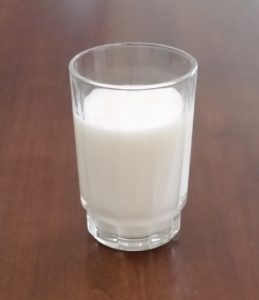 Many people (even health professionals) are still under the impression that dairy products made from milk are unhealthy. NOT TRUE. Consuming dairy products, especially whole milk products, is

 Studies on aspirin keep coming. For decades, studies found that persons taking aspirin frequently have a lowered risk of developing colorectal (colon) cancer, and that they are less likely to die if they do develop colorectal cancer. A recent
 Something to think about: a group of international
 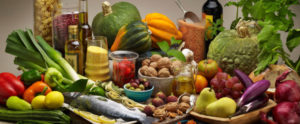 A major
 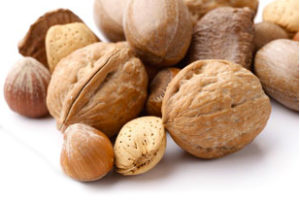 Amazing study results - if true - about some health benefits of eating nuts. Just tree nuts, not peanuts (which are actually a legume). Researchers at the Dana-Farber Cancer Institute in Boston found that colon cancer survivors who ate at least two ounces (57 grams) of tree nuts a week were 42% less likely to have their cancer return or a 53% lower chance of dying from their cancer than those who did not eat nuts.
  Reading this recent study, I was struck by how the results are evidence for eating sulforaphane containing foods, such as kale, cauliflower, brussels sprouts, broccoli, and cabbage for health and preventing cancer (due to anti-tumor activity). It is debatable whether it is support for taking supplements (here a sulforaphane supplement called BSE), even though the researchers were testing the supplement. Seven days of taking a supplement without "serious adverse events" (but they did have minor ones such as "mild abdominal discomfort") is too short a length of time for any support for a product. The real test would be seeing what health effects, both positive and negative, are after a year or two of taking the supplement.