
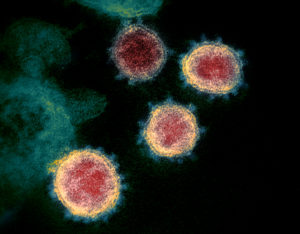
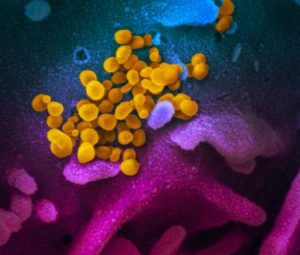
 Some good news for those with Rh negative blood (whether it is A, B, AB, or O), and also for those with type O blood. A large Canadian study found that both the O and Rh- blood groups are associated with a slightly lower risk of COVID-19 infection and also severe COVID-19 illness and death. In other words, both are somewhat protective from the new coronavirus, especially O-negative blood.
Among 225,556 Canadians who were tested for the virus, the risk for a COVID-19 diagnosis was 12% lower and the risk for severe COVID-19 or death was 13% lower in people with blood group O versus those with A, AB, or B, researchers reported in Annals of Internal Medicine.
The researchers point out that some other studies had a similar finding regarding type O blood. Interestingly, the O blood group is associated with a decreased risk for venous thromboembolism (blood clots in the veins) - which can be a big complication of COVID-19.
How many people have O negative blood? One study of 3.1 million American blood donors found that O− was seen in 8.0% of White non-Hispanic donors, 3.9% of Hispanic donors, 3.6% of Black non-Hispanic donors, and 0.7% of Asian donors. So not that common in the US.
From Medscape: More Evidence for Lower Risk With Certain Blood Groups
A large study adds to evidence that people with type O or Rh−negative blood may be at slightly lower risk from the new coronavirus. ...continue reading "Some Good News About Having Rh- Blood"
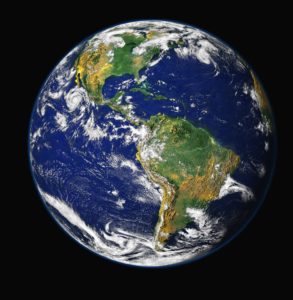 It's hard to believe in this month of cold and snow, but climate scientists are saying that 2020 is almost tied with 2016 to be the hottest year on record. This past decade has been the hottest ever recorded, and the last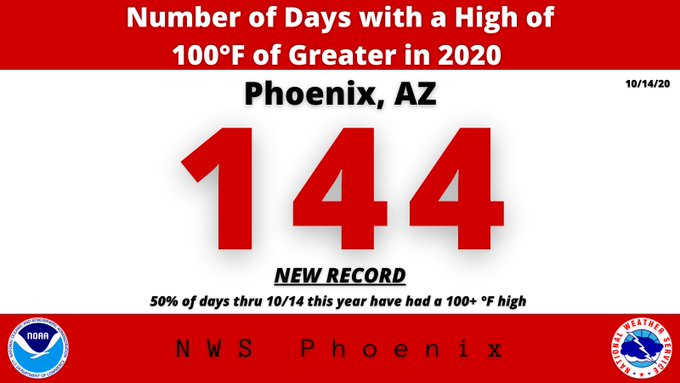
 There is much concern nowadays about all the many chemicals we are exposed to in our lives. These include pesticides, heavy metals (e.g. lead, mercury), and chemicals that act as endocrine disruptors (hormone disrupting chemicals), such as BPA and phthalates. These chemicals are all around us and are linked to all sorts of health effects, including
 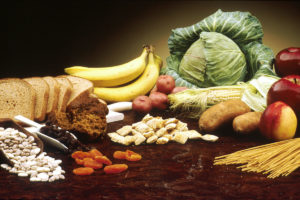 Vegan diets may be popular, but there is concern whether someone following a vegan diet can get all necessary nutrients from the diet and whether this impacts health in a negative way. This is because a person following a vegan diet avoids all animal foods - which means no dairy, no meat, no eggs, no honey, no fish, no shellfish, and no insects. This can mean difficulties in getting enough protein and some nutrients, for example choline (
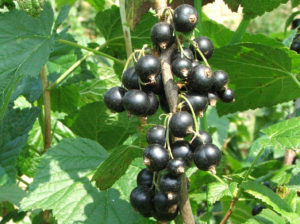 Every study I've seen in the past decade finds that eating berries has health benefits. A recent
  This is of concern not just because the earth is warming (resulting in more extreme weather), but also what higher and higher carbon dioxide levels might do to our thinking processes. Think of a "stuffy room" where it is harder to think - this can already occur starting at about 600 ppm of CO2, and known to occur at 945 ppm and higher (in rooms with many people in them). While current CO2 levels are below that, we are faced with the possibility that if they keep rising we will get there eventually - and there will be no escape from the "stuffy room" feeling!
 Many people have noticed that marijuana (cannabis) has gotten stronger over the past decades, and now a study agrees. The THC in marijuana is what gives a person a "high", and those levels have really increased since 1970. That means what was smoked at Woodstock back in1969 was much milder than what is being smoked today.
 As women age, they may try all sorts of things to reduce or prevent facial wrinkles. A recent