
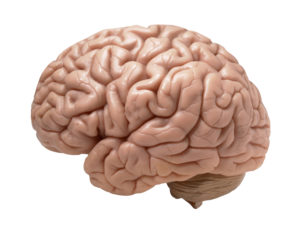
 Brains age as a person ages. Brains shrink a little over time, and thinking may not be a good as it was years ago. So you absolutely want to delay brain aging and cognitive decline. A recent study found that specific foods and nutrients promote healthy brain aging (delayed brain aging).
The Univ. of Nebraska-Lincoln and Univ. of Illinois researchers looked at a group of 100 healthy individuals (aged 65 to 75 years) and found that they fell into 2 groups: one group with accelerated brain aging and another group with delayed or slower than expected brain aging. They took blood tests and looked for specific nutritional biomarkers, they took MRI scans of the brain, gave questionnaires, and gave cognitive tests.
 They found that certain nutrients, food groups, and foods are associated with healthier brains (delayed brain aging). One should eat a diet rich in fruits, vegetables, seeds, nuts, as well as dairy and choline rich foods (e.g., eggs). The beneficial combination of nutrients fall into 3 main groups, with especially good sources given:
1) Fatty acids (vaccenic, gondoic, alpha linolenic, elcosapentaenoic, eicosadienoic and lignoceric acids - found in different foods) a) Fish and shellfish, flaxseed, hemp seed, olive oil, soya oil, canola oil, chia seeds, pumpkin seeds, sunflower seeds, leafy vegetables, and walnuts. b) Peanuts, macadamia nuts, and certain seed oils. c) Dairy products, such as milk, butter, and yogurt.
2) Carotenoids - Spinach, kale, corn, bell peppers (red, green, or yellow), tomatoes, watermelon, grapefruit, cantaloupe, broccoli, and carrots.
3) Vitamins (especially vitamin E and choline) Vitamin E - Nuts, seeds, and vegetable oils, but also significant amounts come from green leafy vegetables and fortified cereals. Choline - Meat, poultry, fish, and eggs, as well as cruciferous vegetables and certain beans.
By the way, this study was part of an emerging field called Nutritional Cognitive Neuroscience. Other studies also find that choline and elements of a Mediterranean style diet appear to be best for healthy brain aging.
From Science Daily: Food for thought: Study links key nutrients with slower brain aging
Scientists have long been studying the brain with a goal of aiding healthier aging. While much is known about risk factors for accelerated brain aging, less has been uncovered to identify ways to prevent cognitive decline. ...continue reading "Foods That Promote Healthy Brain Aging"
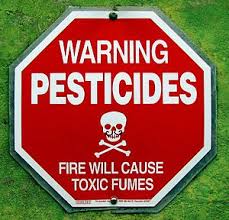 Update to the toxic pesticide acephate story of
  Well, it finally might have occurred. The always fatal neurologic disease known as chronic wasting disease (CWD), which occurs in deer, elk, and moose, and is slowly spreading throughout the US and Canada, may have finally made the jump from deer to humans. This is very worrisome.
 For a while now researchers have been finding that certain environmental chemical exposures are linked to the development of amyotrophic lateral sclerosis (ALS), which is commonly called Lou Gehrig's disease. Frequent exposure to pesticides and heavy metal and VOC exposure in solvents (e.g., in woodworking) are linked to ALS.
 There has been medical debate over whether taking a daily multivitamin supplement has any benefits. Well, a third large