
Skip to content

Two recent studies link low vitamin D levels with more aggressive cancers: aggressive prostate cancer in men and more aggressive breast cancers (in mice and women). Researchers generally advise people to take 1000 to 2000 international units per day of vitamin D3 to maintain normal blood levels of of more than 30 nanograms/milliliter. The best source of vitamin D is sunlight, which is why vitamin D is frequently called the sunshine vitamin.

From Science Daily:  Low vitamin D predicts aggressive prostate cancer

A new study provides a major link between low levels of vitamin D and aggressive prostate cancer. Northwestern Medicine research showed deficient vitamin D blood levels in men can predict aggressive prostate cancer identified at the time of surgery.

"Vitamin D deficiency may predict aggressive prostate cancer as a biomarker," said lead investigator Dr. Adam Murphy, an assistant professor of urology at Northwestern University Feinberg School of Medicine and a Northwestern Medicine urologist. "Men with dark skin, low vitamin D intake or low sun exposure should be tested for vitamin D deficiency when they are diagnosed with an elevated PSA or prostate cancer. Then a deficiency should be corrected with supplements."

Aggressive prostate cancer is defined by whether the cancer has migrated outside of the prostate and by a high Gleason score. A low Gleason score means the cancer tissue is similar to normal prostate tissue and less likely to spread; a high one means the cancer tissue is very different from normal and more likely to spread. The study was part of a larger ongoing study of 1,760 men in the Chicago area examining vitamin D and prostate cancer. The current study included 190 men, average age of 64, who underwent a radical prostatectomy to remove their prostate from 2009 to 2014.

Of that group, 87 men had aggressive prostate cancer. Those with aggressive cancer had a median level of 22.7 nanograms per milliliter of vitamin D, significantly below the normal level of more than 30 nanograms/milliliter. The average D level in Chicago during the winter is about 25 nanograms/milliliter, Murphy noted....The Institute of Medicine recommends 600 international units of D per day, but Murphy recommends Chicago residents get 1,000 to 2,000 international units per day.

From Medical Xpress:  Vitamin D deficiency contributes to spread of breast cancer in mice, study finds

Breast tumors in laboratory mice deficient in vitamin D grow faster and are more likely to metastasize than tumors in mice with adequate levels of vitamin D, according to a preliminary study by researchers at the Stanford University School of Medicine.The research highlights a direct link between circulating vitamin D levels and the expression of a gene called ID1, known to be associated with tumor growth and breast cancer metastasis.

The finding builds upon several previous studies suggesting that low levels of vitamin D not only increase a person's risk of developing breast cancer, but are also correlated with more-aggressive tumors and worse prognoses. Although the research was conducted primarily in mice and on mouse cells, the researchers found in a study of 34 breast cancer patients that levels of circulating vitamin D were inversely correlated with the expression levels of ID1 protein in their tumors, and they confirmed that a vitamin D metabolite directly controls the expression of the ID1 gene in a human breast cancer cell line.

Once ingested or made by the body, vitamin D is converted through a series of steps into its active form, calcitriol. Calcitriol binds to a protein in cells called the vitamin D receptor, which then enters the cell's nucleus to control the expression of a variety of genes, including those involved in calcium absorption and bone health.

In the new study, Williams and Aggarwal investigated whether vitamin D levels affected the metastatic ability of mouse breast cancer cells implanted into the mammary fat pad of laboratory mice. One group of 10 mice was first fed a diet lacking in the vitamin for 10 weeks; the other 10 received a normal dose in their food. Mice fed a diet deficient in vitamin D developed palpable tumors an average of seven days sooner than their peers, and after six weeks of growth those tumors were significantly larger in size than those in animals with adequate vitamin D levels.
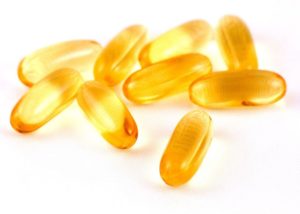
 The following research finds a link (it doesn't establish cause) - but these interesting associations with vitamin D keep popping up. The research looked at leukemia rates in 172 countries and found that living closer to the equator (and assumed to have higher levels of vitamin D due to sunlight exposure) is linked to lower levels of leukemia. By far the best source of vitamin D is sunshine (and not food). From Medical Xpress:

Researchers link higher risk of leukemia to low sunlight and vitamin D

Epidemiologists at University of California, San Diego School of Medicine report that persons residing at higher latitudes, with lower sunlight/ultraviolet B (UVB) exposure and greater prevalence of vitamin D deficiency, are at least two times at greater risk of developing leukemia than equatorial populations.

These results suggest that much of the burden of leukemia worldwide is due to the epidemic of vitamin D deficiency we are experiencing in winter in populations distant from the equator," said Cedric Garland, DrPH, adjunct professor in the Department of Family Medicine and Public Health and member of Moores Cancer Center at UC San Diego Health. "People who live in areas with low solar ultraviolet B exposure tend to have low levels of vitamin D metabolites in their blood," Garland said. "These low levels place them at high risk of certain cancers, including leukemia."

According to the American Cancer Society, 54,270 cases and 24,450 deaths from leukemia occur in the United States alone each year. There is no known way to prevent most types of leukemia, though some types may be prevented by avoiding high doses of ionizing radiation, exposure to the chemical benzene, smoking and certain types of chemotherapy.

The UC San Diego study analyzed age-adjusted incidence rates of leukemia in 172 countries from GLOBOCAN, an international agency for research on cancer that is part of the World Health Organization, comparing that information with cloud cover data from the International Satellite Cloud Climatology Project. The study follows similar investigations by Garland and colleagues of other cancers, including breast, colon, pancreas, bladder and multiple myeloma. In each study, they found that reduced UVB radiation exposure and lower vitamin D levels were associated with higher risks of cancer.

Leukemia rates were highest in countries relatively closer to the poles, such as Australia, New Zealand, Chile, Ireland, Canada and the United States. They were lowest in countries closer to the equator, such as Bolivia, Samoa, Madagascar and Nigeria.

Two recent studies found health problems associated with low levels of vitamin D: higher risk of stress fractures and also increased severity of IBS (Irritable Bowel Syndrome) symptoms. From Science Daily:
Low levels of vitamin D may increase risk of stress fractures in active individuals

Vitamin D plays a crucial role in ensuring appropriate bone density. Active individuals who enjoy participating in higher impact activities may need to maintain higher vitamin D levels to reduce their risk of stress fractures, report investigators in The Journal of Foot & Ankle Surgery.

The role of vitamin D in the body has recently become a subject of increasing interest owing to its many physiologic effects throughout multiple organ systems. Vitamin D is an essential nutrient that can behave as a hormone. It is obtained through diet and through the skin when exposed to the sun's rays. It is essential for bone development and remodeling to ensure appropriate bone mass density. Low levels of vitamin D can lead to osteoporosis, osteomalacia, decreased bone mineral density, and risk of acute fracture.

Investigators tested the serum concentration of 25(OH)D, which is used to determine vitamin D status, in patients with confirmed stress fractures....Using the standards recommended by the Vitamin D Council (sufficient range 40 to 80 ng/mL), more than 80% of these patients would have been classified as having insufficient or deficient vitamin D levels. According to the standards set by the Endocrine Society (sufficient range 30 to 100 ng/mL), over 50% had insufficient levels.

"Based on these findings, we recommend a serum vitamin D level of at least 40 ng/mL to protect against stress fractures, especially for active individuals who enjoy participating in higher impact activities," explained Dr. Miller. "This correlates with an earlier study of 600 female Navy recruits who were found to have a twofold greater risk of stress fractures of the tibia and fibula with a vitamin D level of less than 20 ng/mL compared with females with concentrations above 40 ng/mL.

From Science Daily: Large proportion of IBS sufferers are vitamin D deficient

A large proportion of people living with Irritable Bowel Syndrome (IBS) are vitamin D deficient, a new study has found. Researchers from the University of Sheffield discovered a significant association between a patient's vitamin D levels and the severity of their IBS symptoms, particularly the extent to which IBS affects their quality of life.

The study, which is the first of its kind, found that out of 51 IBS patients tested 82 per cent exhibited insufficient vitamin D levels....IBS is a chronic and debilitating functional disorder of the gastrointestinal (GI) tract which affects around 10-15 per cent of the western population. Little is known about why and how the condition develops, although it is known that diet and stress can make symptoms worse. 

New research found that negative health effects - 35% increased risk of cardiovascular problems (coronary heart disease, heart attacks, strokes) are when the vitamin D levels are really low (under 15 nanograms per milliliter). Currently many doctors recommend optimal levels for health as somewhere between 35 to 40 ng/ml. One article in Medscape recommended 1,000 IU of vitamin D (preferably D3) daily to achieve this level. Or you can go outside in the sun for 15 to 20 minutes. From Science Daily:

Specific vitamin D levels linked to heart problems

A lack of vitamin D can result in weak bones. Recent studies also show that vitamin D deficiency is linked to more serious health risks such as coronary artery disease, heart attacks, and strokes. And now, a new study shows what level of deficiency puts someone at risk of developing these heart problems.Researchers at the Intermountain Medical Center Heart Institute in Salt Lake City have found that patients are fine from a heart standpoint, and may need no further treatment, if their vitamin D level is anywhere above 15 nanograms per milliliter.

"Although vitamin D levels above 30 were traditionally considered to be normal, more recently, some researchers have proposed that anything above 15 was a safe level. But the numbers hadn't been backed up with research until now," said J. Brent Muhlestein, MD, co-director of cardiovascular research at the Intermountain Medical Center Heart Institute, and lead researcher of the study.

The body naturally produces vitamin D as a result of exposure to the sun, and it's also found in a few foods -- including fish, fish liver oils, and egg yolks as well as some dairy and grain products. Those who don't have enough exposure to sunlight or vitamin D producing foods often have low vitamin D levels. Low levels are also attributed to race because people with dark skin have a natural protectant against ultraviolet light.

Dr. Muhlestein and his team have studied the effects of vitamin D on the heart for several years, looking at smaller numbers of patients. In this study, thanks to Intermountain Healthcare's vast clinical database, they were able to evaluate the impact of vitamin D levels on more than 230,000 patients. The 230,000 patients were split up into four groups (<15 ng/ml, 15-29, 30-44, ≥45) and were followed for the next three years by researchers who looked for major adverse cardiac events, including death, coronary artery disease, heart attacks, stroke, and incidents of heart or kidney failure.

Dr. Muhlestein found that for the nine percent of patients in the lower than 15 group, their risk of cardiovascular events increased by 35 percent compared to the other three groups, and the risks faced by the other three groups weren't very different from each other.

Once again, a study finds that foods are superior to supplements (here calcium supplements). It appears that eating foods rich in calcium has protective effects against kidney stones, but taking calcium supplements may result in kidney stone growth.

On the other hand, vitamin D may prevent kidney stone formation. Reviewing studies over the past few years, it seems that vitamin D (the sunshine vitamin) is the one supplement with positive effects.

From Science Daily: Calcium supplements may increase the risk of kidney stone recurrence

Calcium supplements may increase the risk of kidney stone recurrence, according to a new study.

While eating foods rich in calcium has protective effects against kidney stones, the effect of supplementation with calcium and vitamin D on the risk of kidney stone formation remains unclear. To investigate, Christopher Loftus, MD candidate (Cleveland Clinic Lerner College of Medicine) and his colleagues reviewed the 24-hour urine collections and CT imaging scans from patients at their institution who had a history of kidney stones.

They identified 6050 patients with a history of kidney stones by imaging scans, 2061 of whom had 24-hour urine collections before and after starting supplementation. A total of 1486 patients were supplemented with calcium, 417 with vitamin D only, and 158 with no supplementation.

Patients who took calcium supplements had lower total calcium and oxalate (which are components of kidney stones) in their urine while blood levels were unaffected. However, these patients also had a faster rate of kidney stone growth suggesting that the mechanism of calcium supplementation on stone formation may not be straightforward. Vitamin D supplementation also decreased urinary calcium excretion as well as stone growth, suggesting that it may help prevent the risk of stone formation.

"While taking supplemental calcium has associated positive effects, these results suggest that supplemental, as compared with dietary, calcium may worsen stone disease for patients who are known to form kidney stones," said Loftus.

New research has found that low vitamin D levels among older adults is associated with accelerated cognitive decline and impaired performance (particularly in areas of memory and executive function). The next research in this area will have to look at whether vitamin D supplementation will change (slow down) the decline. Please note that it is widely accepted that an average daily intake of 1000 IU  of D3 daily is safe. The best source of  vitamin D is sunlight. From Science Daily:

Low vitamin D among elderly associated with decline in cognition, dementia

Vitamin D insufficiency among the elderly is highly correlated with accelerated cognitive decline and impaired performance, particularly in domains such as memory loss that are associated with Alzheimer's disease and dementia, researchers with the UC Davis Alzheimer's Disease Center and Rutgers University have found. The effect is "substantial," with individuals with low vitamin D declining at a rate three times faster than those with adequate vitamin D levels

The researchers said their findings amplify the importance of identifying vitamin D insufficiency among the elderly, particularly high-risk groups such as African-Americans and Hispanics, who are less able to absorb the nutrient from its most plentiful source: sunshine. Among those groups and other darker-skinned individuals, low vitamin D should be considered a risk factor for dementia, they said. "Independent of race or ethnicity, baseline cognitive abilities and a host of other risk factors, vitamin D insufficiency was associated with significantly faster declines in both episodic memory and executive function performance," said Joshua Miller...

The large, longitudinal study was conducted in nearly 400 racially and ethnically diverse men and women in Northern California participating in longitudinal research at the Alzheimer's Disease Center in Sacramento, Calif. Fifty percent of participants were Caucasian and 50 percent were African-American or Hispanic. The participants had a mean age of 76 and were either cognitively normal, had mild cognitive impairment, or dementia.The participants' serum vitamin D status was measured at the beginning of the study.... Overall, 26 percent were deficient and 35 percent were insufficient. Among Caucasians, 54 percent had low vitamin D, compared with 70 percent of African-Americans and Hispanics.

Over five years of follow-up, vitamin D deficient individuals experienced cognitive declines that were two-to-three times faster than those with adequate serum vitamin D levels. In other words it took only two years for the deficient individuals to decline as much as their counterparts with adequate Vitamin D declined during the five-year follow-up period.

Exposing the skin to sunlight is the major source of vitamin D. Racial and some ethnic minorities are at greater risk of low vitamin D because the higher concentration of melanin that makes their skin darker -- and protects against skin cancer in sunny climates -- also inhibits synthesis of vitamin D. Diet is the other major source of vitamin D. Dietary vitamin D is obtained particularly through dairy consumption. The intake of dairy products is especially low among minority groups, with only 6.5 percent of African-Americans and 11 percent of Mexican-Americans nationwide consuming the recommended three daily servings of dairy products, the study says.

Again, more benefits of vitamin D. Think of it as the sunshine vitamin, but supplements also work, especially vitamin D3 (rather than D2). This time higher levels of vitamin D in the blood (as measured by the vitamin D biomarker, 25-hydroxyvitamin D [25(OH)D) are linked to lower incidence of macular degeneration among those women genetically prone to it.

Macular degeneration is thought to have both genetic (inherited) and environmental components. Currently macular degeneration is the leading cause of vision loss and affects about 2.07 million Americans (this is according to the National Eye Institute). Note that this number is very different than that given by the American Macular Degeneration Foundation in the article. From Medical Xpress:

Vitamin D may play key role in preventing macular degeneration

Vitamin D has been studied extensively in relation to bone health as well as cancer. Now, a team led by a researcher at the University at Buffalo has discovered that vitamin D may play a significant role in eye health, specifically in the possible prevention of age-related macular degeneration, or AMD, among women who are more genetically prone to developing the sight-damaging disease.

In a paper published today (Aug. 27) in JAMA Ophthalmology online, Amy Millen, associate professor of epidemiology and environmental health in UB's School of Public Health and Health Professions, and her team found that women who are deficient in vitamin D and have a specific high-risk genotype are 6.7 times more likely to develop AMD than women with sufficient vitamin D status and no high risk genotype.

Macular degeneration is characterized by the deterioration of the macula, a small part of the central retina where the eye's photoreceptors (rods and cones) are most highly concentrated. The leading cause of legal blindness, macular degeneration affects more than 10 million Americans—more than cataracts and glaucoma combined—according to the American Macular Degeneration Foundation. The disease affects a person's central vision, which is needed for common tasks such as reading and driving. The effect is similar to that of a rain drop on the center of a camera lens.

Researchers analyzed data compiled on 1,230 women ages 54 to 74 who participated in the Carotenoids in Age-related Eye Disease Study (CAREDS),..... CAREDS was conducted among participants at three of the centers: University of Wisconsin (Madison), the University of Iowa (Iowa City) and the Kaiser Center for Health Research (Portland, Oregon). Researchers were able to determine participants' vitamin D status by analyzing serum samples for a vitamin D biomarker, 25-hydroxyvitamin D [25(OH)D], which provided a glimpse into vitamin D intake through all sources: diet, supplements and sunlight.

Human skin can synthesize vitamin D when exposed to ultraviolet light, Millen explains. However, for many people, 15 to 30 minutes a day with 10 percent of their skin exposed might be sufficient. In winter months, when there is a lower solar angle, sun exposure may not be not sufficient to maintain blood level for people who live north of a line from about Washington, D.C., to Los Angeles. At these times and locations, dietary intake may be needed. Dietary sources of vitamin D include fortified foods such as milk and foods that naturally contain vitamin D such as fatty fish like salmon and mackerel.

"Macular degeneration has been found to be strongly associated with genetic risk," Millen says. Among many genes linked to AMD, one of the strongest is a specific genetic variant (Y402H) in the complement factor H gene, called CFH for short. This gene codes for the CFH protein that is involved in the body's immune response to destroy bacteria and viruses. Inflammation is believed to be involved in the development of macular degeneration.  "People who have early stage AMD develop drusen, lipid and protein deposits that build up in the eye. Your body sees this drusen as a foreign substance and attacks it, in part via the complement cascade response," explains Millen.

Vitamin D shows promise for protecting against because of its anti-inflammatory and antiangiogenic properties; antiangiogenic refers to slowing the growth of new blood vessels, often seen in late stages of AMD."Our message is not that achieving really high levels of vitamin D are good for the eye, but that having deficient vitamin D levels may be unhealthy for your eyes," Millen says. 

Although the odds of having AMD was higher in women who were deficient for vitamin D, with 25(OH)D levels below 12 ng/mL (30 nmol/L), increasing vitamin D levels beyond 12 ng/mL did not further lower the odds of AMD to any meaningful extent, she explains.

The study results of 218 overweight, postmenopausal women who had insufficient levels of vitamin D (like most people) at the beginning of the study found that weight loss (including exercise), in combination with vitamin D supplementation, had a greater effect on reducing chronic inflammation than weight loss alone.

Current thinking is that chronic inflammation is linked to various chronic diseases as well as cancers. So reducing chronic inflammation is good. From Medical Xpress:

Weight loss plus vitamin D reduces inflammation linked to cancer, chronic disease

For the first time, researchers at Fred Hutchinson Cancer Research Center have found that weight loss, in combination with vitamin D supplementation, has a greater effect on reducing chronic inflammation than weight loss alone. Chronic inflammation is known to contribute to the development and progression of several diseases, including some cancers.

"We know from our previous studies that by losing weight, people can reduce their overall levels of inflammation, and there is some evidence suggesting that taking vitamin D supplements can have a similar effect if one has insufficient levels of the nutrient," said lead and corresponding author Catherine Duggan, Ph.D., a principal staff scientist in the Public Health Sciences Division at Fred Hutch. 

To explore this question, Duggan and colleagues recruited 218 healthy, overweight older women who had lower-than-recommended levels of vitamin D (less than 32 ng/mL). The women then took part in a 12-month diet and exercise program (including 45 minutes of moderate-to-vigorous exercise five days a week). Half of the study participants were randomly selected to receive 2,000 IU of vitamin D daily for the duration of the year-long trial, and the other half received an identical-appearing placebo, or dummy vitamin. 

At the end of the study, all of the participants had reduced levels of inflammation, regardless of whether they took vitamin D, "which highlights the importance of weight loss in reducing inflammation," Duggan said. However, those who saw the most significant decline in markers of inflammation were those who took vitamin D and lost 5 to 10 percent of their baseline weight. These study participants had a 37 percent reduction in a pro-inflammatory cytokine called interleukin-6, or IL-6, as compared to those in the placebo group, who saw a 17.2 percent reduction in IL-6. The researchers found similar results among women in the vitamin D group who lost more than 10 percent of their starting weight. While IL-6 has normal functions in the body, elevated levels are associated with an increased risk of developing certain cancers and diabetes and may be implicated as a cause of depression, Duggan said.

Inflammation occurs when the body is exposed to pathogens, such as bacteria or viruses, which puts the immune system in overdrive until the "attack" ceases and the inflammatory response abates. Overweight or obese people, however, exist in a state of chronic inflammation. This sustained upregulation of the inflammatory response occurs because fat tissue continually produces cytokines, molecules that are usually only present for a short time, while the body is fighting infection, for example.

"It is thought that this state of chronic inflammation is pro-tumorigenic, that is, it encourages the growth of cancer cells," she said. There is also some evidence that increased body mass "dilutes" vitamin D, possibly by sequestering it in fat tissue."Weight loss reduces inflammation, and thus represents another mechanism for reducing cancer risk," Duggan said. "If ensuring that vitamin D levels are replete, or at an optimum level, can decrease inflammation over and above that of weight loss alone, that can be an important addition to the tools people can use to reduce their cancer risk."

Low levels of vitamin D are associated with low levels of testosterone in healthy middle-aged men. Note that hypovitaminosis D means low levels of vitamin D in the blood, defined by a lab test as "25-hydroxyvitamin D level below 30.0 ng/LInterestingly, being overweight also seems to lower the testosterone level, and losing weight raises the level, and supplementing with vitamin D may raise the testosterone level in those with low levels (the German study mentioned in the article). And research with mice suggests that there is something about testosterone synthesis that needs vitamin D. From Medscape:

Low Vitamin D Tied to Testosterone Dip in Healthy Men

Low levels of vitamin D are significantly and independently associated with low levels of testosterone in otherwise healthy middle-aged men, according to a study presented at the American Urological Association 2015 Annual Meeting in New Orleans. 

In this new analysis of data from of the World Trade Center CHEST program, blood samples from 824 men were analyzed for various parameters, such as 25-hydroxyvitamin D and total testosterone. Hypovitaminosis D was defined as a 25-hydroxyvitamin D level below 30.0 ng/L.

Level of 25-hydroxyvitamin D were insufficient in 68% of the samples....Total testosterone was higher in men with normal levels of 25-hydroxyvitamin D than in men with lower levels...."subjects with hypovitaminosis D still had significantly lower total testosterone than those with normal total testosterone (P = .019)," Dr McLaughlin and her colleagues report. When levels of 25-hydroxyvitamin D were lower, body mass index was higher than when levels were normal (30.8 vs 29.12 kg/m²; P < .001), waist circumference was greater (41.3 vs 39.8 inches; P < .001), and lipid profiles were less favorable.

In previous studies, testosterone levels were shown to be lower in mice who had the vitamin D receptor genetically deleted, said Dr McLaughlin."This suggests that there is something about testosterone synthesis that needs vitamin D," she explained.

In a small German study of healthy overweight men with a low baseline level of 25-hydroxyvitamin D and testosterone levels at the lower end of the reference range, there was a significant increase in total testosterone levels after 12 months of vitamin D 3000 IU daily (Horm Metab Res. 2011;43:223-225)...the German study was primarily a weight-loss study, and weight loss in and of itself causes increases in testosterone."We see that in patients who undergo bariatric surgery to remove visceral fat," he explained. "Once the weight loss has taken place, their testosterone levels normalize independent of anything else."

Children spending time outside (more than 14 hours a week) have lower rates of nearsightedness, even if they spend a lot of time reading. From Science Daily:

Scientists study effects of sunlight to reduce number of nearsighted kids

Kids who spend more time outside are less likely to need glasses for nearsightedness – but scientists don’t know why. Researchers are now looking more closely at physical changes in the eye influenced by outdoor light exposure in the hopes of reducing cases of myopia, which affects one-third of the American population.

Despite what many parents may think, kids who spend a lot of time reading or squinting at tiny electronic screens aren't more likely to become nearsighted than kids who don't. However, that risk is only reduced if the child spends plenty of quality time outside. The "outdoor effect" on nearsightedness, or myopia, is a longstanding observation backed by both scientific and anecdotal evidence. It's so compelling that some nations in Asia, which have among the highest myopia rates in the world, have increased the amount of daily outdoor time for children in the hopes of reducing the need for glasses.

But so far, no one has defined exactly what it is about being outside that seems to offer a protective effect against the condition, which causes distant objects to appear blurry.

"Data suggest that a child who is genetically predisposed to myopia are three times less likely to need glasses if they spend more than 14 hours a week outdoors," says optometrist Donald Mutti, OD, PhD, of The Ohio State University College of Optometry. "But we don't really know what makes outdoor time so special. If we knew, we could change how we approach myopia."

Supported by a pilot grant from Ohio State's Center for Clinical and Translational Science (CCTS), Mutti is now focusing his research on the variables he feels have the most potential: invisible ultraviolet B rays (UVB) and vitamin D, and visible bright light and dopamine."Between the ages of five and nine, a child's eye is still growing. Sometimes this growth causes the distance between the lens and retina to lengthen, leading to nearsightedness," explained Mutti. "We think these different types of outdoor light may help preserve the proper shape and length of the eye during that growth period."

UVB light is invisible to the human eye, but triggers several cellular functions in the body, including the production of vitamin D. Vitamin D is thought to support the function of the smooth muscle tissue found around the lens in the eye. This muscle not only helps focus light on the retina, but may also maintain the proper eye shape and length between the lens and the retina, something that can become distorted during the rapid growth of a child's eye.

Some studies, including one by Mutti, show that people with myopia have lower blood levels of vitamin D -- indicating that they have spent less time outdoors, with possible negative effects on the eye..."We don't know if vitamin D is simply a proxy for measuring outdoor time, or if it is actually exerting a biological effect on how the eye works and develops," said Mutti.

There's another part of sunlight that could help prevent myopia: exposure to visible bright light. Even on a cloudy day, visible light outdoors is at least 10 times brighter than the light indoors.When exposed to outdoor light, specialized cells in the retina help control how big or little the pupil dilates to let more or less light in. The cells connect to others that release dopamine -- an important neurotransmitter in the eye and brain. Previous research suggests that dopamine also slows down the growth of the eye, but there isn't technology currently available that can measure dopamine release in the eye directly.