Skip to content

For years it has been known that increasing the amount of fiber (and drinking enough fluids) in a person's  diet helps to prevent constipation. A recent large multi-year study of 96,000 adults confirmed this: Mediterranean and plant-based diets prevented constipation, and Western and inflammatory diets (low fiber, high ultra-processed foods) raised constipation risk.

Vegetables, cruciferous vegetables (e.g., broccoli), legumes (beans, lentils, chickpeas), and fruits were all associated with reduced risks for constipation. High vegetable and nut consumption was especially good for preventing constipation. Additionally, a low carbohydrate diet showed a slight increased risk for constipation. Eating a diet rich in cereal fibers (e.g., white bread, low fiber breakfast cereals) and ultra-processed foods was linked to constipation.

Besides reducing constipation, many studies show that eating a diet rich in fruits, vegetables, whole grains, seeds, nuts, legumes, such as the Mediterranean diet, is protective for cardiometabolic diseases (e.g., heart disease, heart attack, strokes, kidney disease, and type 2 diabetes), cancer, and even early death. This type of diet is high in fiber, has positive effects on the gut microbiome, and reduces chronic inflammation.

From Science Daily: What 96,000 adults taught scientists about preventing constipation

Chronic constipation becomes more common with age. Researchers from Mass General Brigham conducted a new study examining whether five widely followed diets could help prevent chronic constipation in middle- and older-age adults. The team monitored more than 96,000 participants for several years to see how long-term eating habits influenced the likelihood of developing this persistent gastrointestinal issue. Their analysis showed that people who routinely ate a Mediterranean or plant-based diet experienced a lower incidence of constipation. The findings appear in Gastroenterology. ...continue reading "The Foods You Eat and Their Link to Constipation"
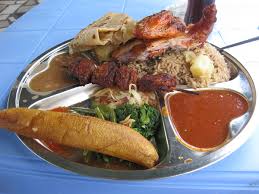

Tanzanian foods Credit: Wikimedia Commons

What you eat has a major effect on your health. Many studies found benefits to health from diets rich in plant-based foods, such as the Mediterranean diet. A recent study found multiple health benefits from a traditional African diet (rich in vegetables, fruits, beans, whole grains, fiber, and fermented foods) - even when eaten for as little as 2 weeks.

In comparison, people eating a Western diet had negative health effects.

Changes at all levels occurred in the 2 weeks study participants (77 healthy men in Tanzania) ate either a Western diet (low in fiber, high in calorie dense processed foods), or the African heritage diet, or their regular diet plus a daily fermented banana drink. The Western diet caused inflammation, reduced the immune systems response to pathogens, and activated metabolic processes associated with diseases. In contrast, the traditional African diet resulted in anti-inflammatory effects (a reduction in inflammatory markers).

What did they eat for the 2 weeks? The Western diet consisted of a lot of meat (daily), pizza, white rice, pasta, fries, eggs, white bread, pancakes, and few vegetables and fruits. The traditional (heritage) African diet consisted of plenty of vegetables and fruits, beans, brown rice, limited meat (twice a week), traditional grains (e.g., millet, sorghum), and fermented products - including the fermented drink Mgebe (made with bananas and millet). [2 recipe versions: Ugali Mchicha and Tanzanian recipe]

From Science Daily: Western diet causes inflammation, traditional African food protects

A switch of just two weeks from a traditional African diet to a Western diet causes inflammation, reduces the immune response to pathogens, and activates processes associated with lifestyle diseases. Conversely, an African diet rich in vegetables, fiber, and fermented foods has positive effects. This study, published in Nature Medicine, highlights the significant impact of diet on the immune system and metabolism. ...continue reading "Health Benefits From the Traditional African Diet"

The incidence of both intestinal bowel diseases (IBD) and colorectal cancer is rapidly increasing in developed countries (e.g., US, Canada, Europe). There are many theories over why this is occurring, with most researchers thinking a person's diet plays a role. A big suspect in promoting IBD and colorectal cancer is the Western diet, which has lots of ultra-processed foods and is also low in fiber.



A recent large study looked at 6 major diets and how they impact the gut microbiome. The six dietary patterns were: Western diet, Mediterranean diet, high-fiber diet, plant-based diet, high protein diet, and ketogenic diet.

And surprise, surprise - eating a Western diet resulted in having an increase in gut bacterial species linked to chronic inflammation, heart disease, colorectal cancer, IBD, and diabetes. The Mediterranean style diet had an increase in bacterial species linked to a lower risk of cardiovascular disease, IBD, and type 2 diabetes. In fact, all 6 diets had distinct bacterial profiles in the gut.

Bottom line: The foods a person eats can either feed and nourish beneficial bacteria or harmful bacteria (linked to cancer and IBD). Best for health is a Mediterranean style diet (lots of fruits, vegetables, whole grains, legumes, seeds, nuts), and avoiding ultra-processed foods. You are what you eat!

From Medical Xpress: Western diets pose greater risk of cancer and inflammatory bowel disease, study finds

Western diets pose a greater risk of inflammatory bowel disease (IBD) and colorectal cancer, according to a milestone review of what people eat around the world. ...continue reading "A Mediterranean Style Diet Feeds Beneficial Gut Bacteria"

Fast food Credit: Wikipedia

Bad news keeps coming about the highly processed foods we love to eat. So convenient, so addictive (e.g., potato chips, soda!), but so bad for our health. A recent study found more harms from eating highly processed foods (also called ultra-processed foods). They are associated with a higher risk of ovarian cancer and other cancers, and also death from cancer.

Even worse, the more one eats ultra-processed foods daily, the higher the risk of developing and dying from a variety of cancers. The ovarian and brain cancer association was especially strong.

The large study of 197,246 people, conducted in the UK, looked at the association between eating highly processed foods and the risk of developing 34 different types of cancers over a 10 year period. They found that highly processed foods were generally between 9.1% to 41.4% of the foods eaten daily. Highly processed foods averaged 48.6% of the daily calories, and ranged from 28.4% to 68.7% of daily calories.

Chips Credit: Wikipedia

As the researchers point out, the highly processed foods are replacing what should be eaten (fruits, vegetables, whole grains, seeds, nuts, legumes). Thus, diets rich in highly processed foods are generally nutritionally inferior, and are higher in energy, fats, salt, sugars, and lower in fiber and some micronutrients.

Chemicals in highly processed foods and packaging (e.g., acrylamide, endocrine disruptors) are ingested and cause harm to humans. Additionally, additives found in highly processed foods (e.g., emulsifiers) have negative effects on the gut microbiome and gut (intestinal) lining.

Bottom line: Eat fewer highly processed foods. Eat more foods that are unprocessed or minimally processed (fruits, vegetables, legumes, seeds, nuts, whole grains). Read the list of ingredients on labels.

Excerpts from Medical Xpress: Ultra-processed foods may be linked to increased risk of cancer

Higher consumption of ultra-processed foods may be linked to an increased risk of developing and dying from cancer, an Imperial College London-led observational study suggests. ...continue reading "Highly processed food increases risk of cancer"

Fast food Credit: Wikipedia

Say it over and over to yourself: Don't eat highly processed foods, don't eat foods with additives (e.g., emulsifiers, colors), don't eat foods/beverages with high fructose corn syrup, don't eat lots of pre-packaged foods or fast foods.

Why? This kind of high fat, low-fiber Western diet (which most of us eat), is linked to lots of health problems  and also an unhealthy gut microbiome. Cancer, diabetes, heart disease!

Instead, eat a Mediterranean style diet - a diet rich in fruits and vegetables, whole grains, seeds, nuts, whole grains, legumes. Also, lots of olive oil. This is a high fiber diet linked to good health and a healthy gut microbiome.

Research finds harms (e.g., harmful alterations of the gut microbiome or intestinal lining, cancer) from ingredients added to highly processed foods, such as emulsifiers, carrageenan, artificial sweeteners, maltodextrin, carboxymethyl cellulose, polysorbate-80, artificial colors and flavors, high fructose corn syrup, etc. Bottom line: Try to avoid any ingredient that's not normally in your kitchen! Read ingredient lists on labels.

Excerpts from a commentary (transcript of podcast) by Dr. D. Johnson from Medscape: Forget Fad Diets, Here's the One You Need

Hello. I'm Dr David Johnson, professor of medicine and chief of gastroenterology at Eastern Virginia Medical School in Norfolk, Virginia. Welcome back to another GI Common Concerns.

All of us routinely see diet recommendations on the Internet — like TikTok — or in new books. Every possible diet seems to receive this promotional push, although the evidence behind them is often lacking.

So what do we mean when we talk about a "healthy diet"? ...continue reading "Doctors Recommend Mediterranean Style Diet For Health"

Those who enjoy a little "potty humor" will like the results of a recent nutrition study comparing the results of a Western style diet (high fat, low fiber) to a high fiber Mediterranean diet. The high fiber diet resulted in much larger, softer stools, and an increase in stomach noises and farting. (Yes, they weighed their stools and counted daily farts!) There was no change in the number of stools per day.
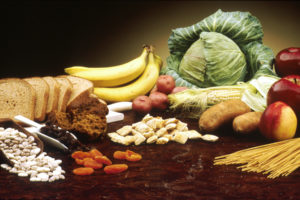
In the study 18 healthy men followed both types of diets for two week periods (first one diet, then a break, and then the other diet). The high fiber diet (54.2 grams fiber per day) resulted in numerous beneficial changes, especially nurturing healthy gut bacteria and metabolic improvements. The low fiber Western diet only had an intake of 4.7 g fiber per day. Interestingly, all participants were told to avoid fermented dairy products (e.g. yogurts) during the study.

The high fiber diet resulted in greater numbers of beneficial bacteria in the gut without any major changes in the core microbiome (microbial community). There were also numerous gut microbial metabolic improvements while on this diet. Interestingly, men who already had a more diverse gut microbiota (which is a sign of health) and routinely already ate more fiber rich plants foods, had less farting and stomach noises during the study.

Think of it this way: your diet is what feeds and nurtures the microbes living in your gut. Some microbes are associated with chronic diseases, and some with health - so you want to nurture the health-associated bacteria by eating a diet rich in plant foods (Mediterranean style diet).

By the way, a recent study found that eating fermented foods is a quick way to increase gut microbial diversity and health. It's beneficial to add some fermented foods (e.g. yogurt, kimchi, sauerkraut, kefir) to your regular diet.

From New Scientist: Men fart more when eating a plant-based diet due to good gut bacteria

Plant-based diets cause men to fart more and have larger stools, researchers have found – but that seems to be a good thing, because it means these foods are promoting healthy gut bacteria.  ...continue reading "Farts and Good Gut Health"

Another study has confirmed that if a person wants to have beneficial gut microbes that are associated with lower rates of chronic inflammation and many health conditions and diseases, then you need to eat a diet that nourishes the beneficial gut microbes. And once again, research finds that it is a plant based diet that does this.

A plant based diet is one rich in fruits, vegetables, whole grains, legumes (beans), nuts, and seeds, thus containing lots of fiber - and these nourish beneficial gut microbes. In this group is also oily fish. This is an anti-inflammatory diet. It feeds short-chain fatty acid (SCFA)-producing microbes (this is good). A great example of plant foods also containing bacteria, as well as nutrients and fiber: one raw apple has about 10 million bacteria!

On the other hand, a diet rich in processed foods and lots of meat (an animal derived diet), is associated with microbes linked to intestinal inflammation - thus an inflammatory diet . Also includes foods with high amounts of sugar and alcohol. This type of diet is low fiber and considered a Western diet.

To arrive at these conclusions, researchers in the Netherlands looked at the gut microbiome of 1425 persons in 4 groups - those with Crohn's disease, ulcerative colitis, irritable bowel syndrome, and the general healthy population. They found 38 associations between dietary patterns and microbial clusters, as well as 61 individual foods and nutrients with 61 bacterial species. They found that specific foods and nutrients were associated with species known to give mucosal protection and have anti-inflammatory effects.

These beneficial bacterial species are NOT found in probiotics or supplements. You must eat the foods on a daily basis. [Another study with similar findings.] Studies show changes will occur very quickly - within two weeks, both in microbes and effects on the intestines.  Think of the saying: You are what you eat. Yes!

From Medical Xpress: Diet rich in animal foods, alcohol and sugar linked to 'inflammatory' gut microbiome

A high dietary intake of animal products, processed foods, alcohol and sugar is linked to a gut microbiome that encourages inflammation, finds research published online in the journal Gut.  ...continue reading "What You Eat Determines The Type Of Bacteria Living In Your Gut"

Once again a study found that a diet rich in fruits, vegetables, whole grains, seeds, legumes, nuts, fish, and extra virgin olive oil is beneficial to the huge numbers of microbes living in our gut (the gut microbiome). This type of fiber-rich dietary pattern is generally called the Mediterranean diet.

The Mediterranean diet is associated with health in a number of ways: lower frailty in elderly persons, lowered risk of death and a number of diseases, as well as lowered levels of inflammation. Chronic inflammation is linked to cancers and a number of diseases - thus the goal is to keep inflammation levels down.

Researchers found that elderly persons eating a Mediterranean style diet for one year had beneficial effects on their gut microbes (after all, they were feeding the good gut microbes), which in turn resulted in less frailty, better cognitive function (including memory), and lower levels of chronic inflammation. There was an increase in beneficial microbes that are associated with health and lower levels of inflammation.

On the other hand, the group of persons eating their usual Western style diet (low in fiber, high in fats , meats, sugar, highly processed foods) did not show beneficial changes in their gut microbiome. They showed negative changes (deterioration) in the type of gut microbes,  and also higher levels of chronic inflammation. After all, they were feeding the microbes associated with poor health and inflammation.

What was interesting was that they looked at the gut microbial communities of 612 persons (aged 65-79 years) who lived in five different countries (Poland, Netherlands, UK, France and Italy) - both at the start (baseline) and after a year. At baseline they could see that country-specific patterns in dietary habits were also reflected in the microbiome profiles.

And after a year there were similar positive changes in the gut microbes in all of those eating a Mediterranean style diet, especially with an increase in "keystone species" - those that are especially important for gut health, but also linked to better health and better cognitive (mental) functioning.

Some of the beneficial bacteria that increased in the Mediterranean diet group: Faecalibacterium prausnitzii, along with Roseburia (R.hominis), Eubacterium (E. rectaleE. eligensE. xylanophilum), Bacteroides thetaiotaomicron ,Anaerostipes hadrus, and Prevotella copri. A majority of these species are associated with health benefits [e.g. production of short chain fatty acids (SCFAs) and lower risk of frailty] and with anti-inflammatory properties. They also are associated with a lower risk for diseases such as type 2 diabetes and colorectal cancer. 

In contrast, the control group that ate a normal Western diet (fats, processed foods, low in fiber, high in meat and sugar) had an increase in  Ruminococcus torquesCollinsella aerofaciensCoprococcus comesDorea formicigeneransClostridium ramosumVeillonella disparFlavonifractor plautii and Actinomyces lingnae. An increase in the abundances of R. torquesC. aerofaciensC. ramosum and V. dispar have been associated with type 2 diabetes and colorectal cancer, atherosclerosis, cirrhosis, and inflammatory bowel disease.

A key finding was that the findings suggest that eating a Mediterranean style diet "modulates the microbiome in a direction positively associated with health". In other words, the benefit of the diet was that it fed beneficial gut microbes that improved health.

Note that these beneficial microbes are NOT found in any supplements or probiotics. You must eat the fiber-rich whole foods!

From Medical Xpress: Mediterranean diet promotes gut bacteria linked to 'healthy ageing' in older people  ...continue reading "Feed Your Gut Microbes With A Mediterranean Diet"

Once again a study finds an association between a Western diet (lots of processed meat, red meat, fried food, desserts, low fiber, high in refined grains, sugar sweetened beverages, and high-fat dairy) and a poor health outcome - this time a significantly higher incidence of late-stage age-related macular degeneration (AMD).

Interestingly though, a Western dietary pattern did not seem to be associated with whether a person developed early AMD - only with whether it would progress to late-stage AMD. And late-stage AMD is the one that results in loss of central vision (in the retina), which means a person will then be unable to drive.

This study followed 1278 people over an 18 year period. Those who ate a Western style diet (considered unhealthy) had a 3 times higher rate of late-stage AMD as compared to those who had a "prudent" (healthy) dietary pattern. Out of 1278 persons - 117 developed early AMD and 27 developed late AMD (20 of them progressed from no AMD to late AMD over the 18 years, and 7 progressed from early AMD to late AMD).

What kinds of foods seemed especially protective? The researchers said that eating the following  foods appeared protective: cruciferous (e.g. broccoli), foods high in carotene (e.g. carrots), dark green leafy and other vegetables, poultry, fresh fruits, legumes, fish and sea foods - what they called part of a "prudent" diet, but can also be thought of as a Mediterranean dietary pattern.

One thing I question is whether "high fat dairy" (which they said was margarine & butter) should have lumped together margarine and butter. After all, margarine is a concoction made with trans fats and linked to health problems, while butter (made from milk/cream) is very different.

From Science Daily: Poor diet linked to age-related macular degeneration  ...continue reading "A Person’s Diet And Age-Related Macular Degeneration"

In the US and other developed countries it is generally accepted that blood pressure increases with age -  that a blood pressure rise starts in childhood and that it's a normal part of aging. However, a new study found that this is not true - a South American rainforest tribe (the Yanomami) who do not eat a western diet (at all!) and have an active lifestyle, have the exact same blood pressure throughout life. This was true for all the individuals studied - from age 1 to 60. A nearby village of the Yekwana tribe have some western influences on lifestyle and diet, had the same low blood pressure in childhood, but showed increases with age.

The researchers feel that a Western diet and lifestyle play a role in the blood pressure increasing over the life span. They are now looking at the gut microbes of the two tribes to see what role they have in these blood pressure differences. Bottom line: get off your butt  and get active, and eat a high fiber, whole food diet (to feed the beneficial microbes) -  and avoid highly processed foods if you can. Easier said than done. From Science Daily:

Study of two tribes sheds light on role of Western-influenced diet in blood pressure

...continue reading "Blood Pressure Doesn’t Always Increase With Age"