
 The Scandinavians really love to drink coffee, and of course researchers study the health effects of all that coffee drinking. Two recent studies both found health benefits from drinking filtered coffee (such as drip coffee), but not unfiltered coffee.
A study conducted in Norway found that over a 20 year period drinking filtered coffee daily was associated with lower death rates, when compared to those who did not drink coffee or drank unfiltered coffee. The best health effects (lowest mortality rate) were associated with drinking 1 to 4 cups per day of filtered coffee, and the unhealthiest (highest mortality rate) was drinking 9 or more cups per day of unfiltered coffee.
The researchers thought that unfiltered coffee raised the cholesterol levels, because of the lipid-raising components of coffee - the diterpenes kahweol and cafestol, which are filtered out by coffee filters. This could explain the association between unfiltered coffee and higher death rates from heart disease. Other studies have found that higher consumption of filtered coffee results in lower levels of markers of inflammation.
As was discussed in an earlier post, a recent study from Sweden found that drinking 2 to 3 cups of drip coffee (using a filter) daily lowers the risk of type 2 diabetes, while drinking boiled coffee has no health effect. The researchers put it nicely, that habitually drinking filtered coffee has a "protective role" on type 2 diabetes development.
On the other hand, other popular ways of preparing coffee don't use filters - French press, espresso, percolator, and coffee pods, and so may have similar not-so-great health effects to boiled coffee. But still unknown at this time - studies are needed.
From Science Daily: How to make the healthiest coffee
Today scientists announce the healthiest way to make a brew. ...continue reading "Drinking Filtered Coffee Is Healthier Than Unfiltered Coffee"
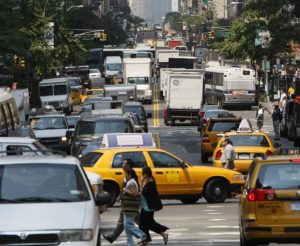 The possibility that rising carbon dioxide levels could eventually result in harmful effects on people's thinking (cognition) is scary. Currently levels are above 400 ppm and rising steadily each year. The Intergovernmental Panel on Climate Change predicts that outdoor CO2 levels could climb to 930 ppm by 2100, which means urban and indoor levels would be even higher.
 Today is the fiftieth anniversary of Earth Day!
 Peanut allergies can be life-altering and life-threatening. But in the past year there have been welcome developments in both preventing peanut allergies and in treatment of peanut allergies in children.
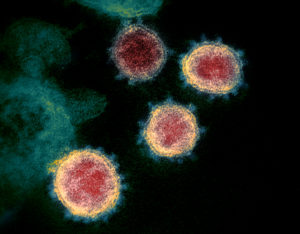 Two big risk factors are emerging over who will develop severe COVID-19 infections that lead to hospitalizations and needing intensive care. A number of studies throughout the world are reporting that the main risk factor in persons under 60 years is being significantly overweight, especially obesity, and the other risk factor is being over 65 years of age.
 Infected with COVID-19 during pregnancy and worried about the pregnancy and baby? A national registry has just been established that is tracking the effects of coronavirus COVID-19 on the pregnancy and on newborns. This is because the virus is so new that we don't know what, if any, effects it has on pregnancy and on the baby. Does it harm the developing baby during the first 2 trimesters or cause problems during pregnancy? We just don't know.
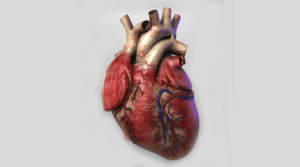 There has been a debate for years over whether surgery plus traditional medical therapy (medications + lifestyle changes) is better than just medications and lifestyle changes for treating blocked arteries (ischemia) and preventing heart attacks and death. A recent study looked at this issue and found that there is no advantage to initially doing invasive procedures such as bypass surgery and stents for stable heart disease and moderately and severely blocked arteries. The surgical approach did not reduce the number of heart attacks and deaths. Sooo... it looks like medications and lifestyle changes alone may be the way to start treatment.

 Some more good news for women who breastfeed their babies. A large