
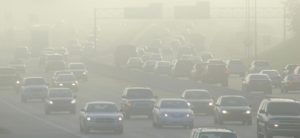
 Once again research is finding effects on health from nanoparticles and air pollution - this time the heart. Tiny air pollution particles less than 100 nm (nanometers) in size are typically called "ultrafine particles", but actually they are so small that they are nanoparticles.
They are NOT regulated in the United States, even though many researchers feel that they are the most dangerous particles found in air pollution. This is because their small size means they are easily inhaled and then get into human lungs and organs, and even cells.
Where do they come from? They get into the air from industry (e.g. metal processing, power generation plants), from the exhaust of vehicles (from vehicle combustion), and from friction when using vehicle brakes.
The researchers write that the air in polluted urban areas and next to roads have a lot of these iron-rich nanoparticles from vehicle combustion and friction. And also that these particles are "strongly magnetic".
Earlier research in the urban Mexico City area found that these nanoparticles were found in the brains of all people, starting at young ages (they had died suddenly in accidents, which is why the brains could be analyzed). Keep in mind that Mexico City has high levels of air pollution, but so do many other urban areas throughout the world.
This latest study from a team of international researchers analyzed both the hearts of young people who died suddenly, as well as animals - and they compared the results from those exposed to high levels of urban air pollution (Mexico City metro area) and those from areas with low amounts of air pollution (the "controls"). The results were not good: all hearts from the Mexico City area (high air pollution) had lots of the same iron-rich magnetic nanoparticles ("in abundance") that are found in the air. Billions of nanoparticles in each heart, even in the youngest 3 year old child!
These nanoparticles are inhaled, then enter the person's circulatory system (carried by blood cells), and then into cardiac cells. As the researchers stated: the magnetic nanoparticles were "highly abundant in left ventricular samples from young subjects exposed to high concentrations of particulate air pollution above current US EPA standards. The organelles and structures containing abundant nanoparticles displayed substantial abnormality". Hearts from low pollution areas appeared normal.
This could explain why people living in polluted urban areas, including in the United States, have a greater risk for heart disease (cardiovascular disease), including heart attacks and strokes, as well as premature death. This research also highlights why we need to regulate these tiny particles in the air. As the researchers said: "This is a serious public health concern".
Excerpts from The Guardian: Billions of air pollution particles found in hearts of city dwellers ...continue reading "Pollution Nanoparticles Found In Human Hearts"
 We tend to think of our beds as a refuge from the outside world, where one can safely relax and sleep. Well... not quite. A recent
  Moderation seems best for so many things in life. And apparently this may also be true for a person's cholesterol levels. In a
  For years researchers have been finding links between vitamin D and all sorts of health benefits, including lower incidence of cancer with higher vitamin D levels. A
  Do you routinely work more than 10 hours a day at your job? Uh-oh. A
 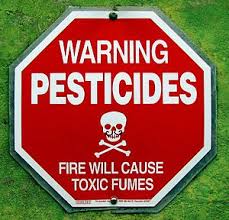 Once again the USA lags behind other countries - this time in banning harmful pesticides. Dr. Nathan Donley at the Center for Biological Diversity in Oregon
  Want to prevent your children from having allergies or asthma? A recent study adds support to increasing evidence that growing up on
  New
New  More bad news about the toxic class of chemicals called PFAS chemicals, which are used in a wide variety of consumer products, such as Teflon non-stick cookware and Scotchgard. The problem is that the chemicals don't stay in the products, but leach out (migrate out) and spread further - even into us. Unfortunately these chemicals persist in the environment. Earlier studies had already detected PFAS (per- and polyfluoroalkyl substances) chemicals in water, soil, some foods, and in the bodies of almost all Americans. Now some recent research studies and the efforts of investigative journalists have uncovered more disturbing findings about the spread of these chemicals in the environment, in foods, and us.
 Do you trust food labels? This past month several people have expressed doubts to me over the organic label found on many foods. But actually the organic label on American grown foods is one that people can trust, and it means that a government agency (the US Department of Agriculture) has certified that the food was grown organically. Yes, there are