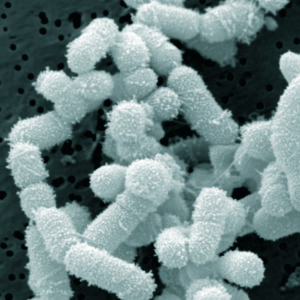
 It's official. This month is 5 whole years being free of chronic sinusitis and off all antibiotics! Yes, that's correct - 5 whole years for all 4 family members, and our sinuses feel great!
Back in February 2013 - first I, and then the rest of my family, started using easy do-it-yourself sinusitis treatments containing the probiotic (beneficial bacteria) Lactobacillus sakei. Now we only treat with a L. sakei product when occasionally needed - and it still works great. In fact, the best way to use Lactobacillus sakei is to use only when there are sinusitis symptoms, and not when feeling well. The whole process still feels miraculous.
After reading the original ground-breaking research on sinusitis done by Abreu et al (2012), it led to me trying L. sakei as a sinusitis treatment. Of course, there is an entire community of microbes (bacteria, fungi, viruses) that live in healthy sinuses - the sinus microbiome - but L. sakei seems to be a key one for sinus health. Since that original 2012 study, other studies have also found that in people with chronic sinusitis, the sinus microbial community is out of whack (dysbiosis).
The one thing different this past year is that our sinus microbial community (sinus microbiome) seems better. If we need to treat (for example, after a virus that goes into sinusitis, or when sliding toward sinusitis for whatever reason), then all four of us noticed that we need to use much less of a product than in the past. Incredibly little. So it seems that our sinus microbial community has definitely improved over time.
The post The One Probiotic That Treats Sinusitis (originally posted January 2015 and with many updates since then) contains information using my family's experiences (lots of self-experimentation!) and all the information that people have given me over the years. Thanks everyone! The post has a list of brands and products with L. sakei, treatment results, as well as information about some other promising probiotics (beneficial bacteria).
Thank you all who have contacted me - whether publicly or privately. Please keep writing and tell me what has worked or hasn't worked for you as a sinusitis treatment. If you find another bacteria or microbe or product that works for you - please let me know. It all adds to the sinusitis treatment knowledge base. I will keep posting updates.
(NOTE: I wrote our background story - Sinusitis Treatment Story back in December 2013, there is a Sinusitis Treatment Summary page with the various treatment methods quickly discussed, and the latest information on The Best Probiotic For Sinus Infections. One can also click on SINUSITIS under CATEGORIES to see more posts about what is going on in the world of sinusitis research.)
 Another
 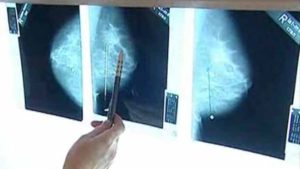 This article by academic physician and cancer researcher H. Gilbert Welch about viewing cancers as a barnyard pen of animals (birds, rabbits, and turtles) is a way to explain why some early screening tests haven't really reduced the rate of deaths from certain cancers, such as breast cancer (
 As many (most?) people know nowadays - drinking alcohol during pregnancy can have negative effects on the developing baby. Drinking a lot of alcohol can result in
  A
A  Interesting
 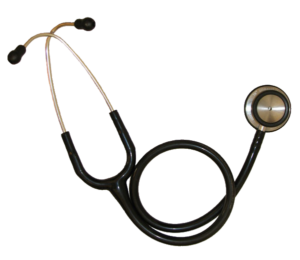 This post is about an issue that I've covered before - the issue of unnecessary medical tests and care, which has been documented by many, especially Dr. H. Gilbert Welch (
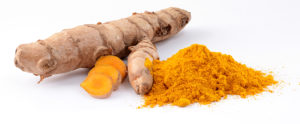 The spice turmeric is a very popular supplement nowadays, believed to have all sorts of health benefits due to the curcumin in it (e.g. that it is anticancer, anti-Alzheimer's, anti inflammatory). And yes, studies in the lab (in vitro and in vivo) look very promising. However, a large 2017