
Two studies about food and health benefits. From Science Daily:
Can citrus ward off your risk of stroke?
Eating foods that contain vitamin C may reduce your risk of the most common type of hemorrhagic stroke, according to a study released today that will be presented at the American Academy of Neurology's 66th Annual Meeting in Philadelphia, April 26 to May 3, 2014.
Vitamin C is found in fruits and vegetables such as oranges, papaya, peppers, broccoli and strawberries. Hemorrhagic stroke is less common than ischemic stroke, but is more often deadly.
The study involved 65 people who had experienced an intracerebral hemorrhagic stroke, or a blood vessel rupture inside the brain. They were compared to 65 healthy people. Participants were tested for the levels of vitamin C in their blood. Forty-one percent of cases had normal levels of vitamin C, 45 percent showed depleted levels of vitamin C and 14 percent were considered deficient of the vitamin.
On average, the people who had a stroke had depleted levels of vitamin C, while those who had not had a stroke had normal levels of the vitamin.
"Our results show that vitamin C deficiency should be considered a risk factor for this severe type of stroke, as were high blood pressure, drinking alcohol and being overweight in our study," said study author Stéphane Vannier, MD, with Pontchaillou University Hospital in Rennes, France. "More research is needed to explore specifically how vitamin C may help to reduce stroke risk. For example, the vitamin may regulate blood pressure."
From Science Daily:
Eat spinach or eggs for faster reflexes: Tyrosine helps you stop faster
A child suddenly runs out into the road. Brake!! A driver who has recently eaten spinach or eggs will stop faster, thanks to the amino acid tyrosine found in these and other food products. Leiden cognitive psychologist Lorenza Colzato publishes her findings in the journal Neuropsychologia.
Colzato and her colleagues created a situation in which test candidates had to interrupt a repetitive activity at a given instant. The participants had two sessions in the test lab. On one occasion they were given orange to drink that contained tyrosine, and on the other occasion the orange juice contained a placebo. The tests showed that the candidates performed better on the stopping task if they had drunk the juice with tyrosine.
The positive effect of tyrosine on our reaction speed can have benefits for road safety. But there are many more examples. Colzato: 'Tyrosine food supplements and tyrosine-rich food are a healthy and inexpensive way of improving our intellectual capabilities.
Tyrosine is found in such foods as spinach, eggs, cottage cheese and soya.
 Children's brain development being harmed by chemicals in the environment - both before birth and in childhood - is such an important topic that here are excerpts from two articles about the same report that was just released (in Lancet Neurology). From Time:
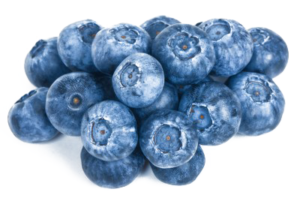 Well, it looks like the researchers devised a nutritional supplement, which they then tested and found beneficial effects on the thinking processes of older adults - so some bias there, but still interesting. What was in the supplement they called NT-020? Extracts of blueberries, green tea, vitamin D3, and amino acids such as carnosine. Science Daily: