 Evidence is accumulating that engaging in exercise may not only prevent cancer, but that in those who already have cancer - it may prevent progression of the cancer. Fantastic!
A large 2019 review of 9 studies (755,459 individuals) found that 2 1/2 hours per week of "moderate-intensity" physical activity or exercise (e.g. brisk walks) really lowers the risk of 7 cancers: colon, breast, endometrial, kidney, myeloma, liver, and non-Hodgkin lymphoma. Some (but not all) were lowered in a dose response manner, that is, the more exercise (up to 5 hours per week), the bigger the protective effect.
Another 2019 review article stated that there are hundreds of studies in the field of "exercise oncology" which have examined the effect of exercise on cancer in humans. The studies find that exercise may prevent cancer, control cancer progression, and interact positively with anticancer therapies. (One example: a study found regular moderate or vigorous physical activity is associated with lower rates of death in men diagnosed with prostate cancer.)
In addition, hundreds of animal (mice and rat) and laboratory studies show that the anticancer effects of exercise are causal, not just an association. There is evidence that each exercise session actually has an effect on cancer tumors. And that the more exercise sessions, the bigger the effect!
Bottom line: Get out and move, move, move! Plan to do this every week for years.
An infographic that illustrates how exercise has anticancer effects, from The Scientist: Infographic: Exercise’s Anticancer Mechanisms
Excerpts from the accompanying April 2020 article by Prof. Bente K. Pedersen (Univ. of Copenhagen) on how regular exercise has anticancer effects. From The Scientist: Regular Exercise Helps Patients Combat Cancer
Physical exercise is increasingly being integrated into the care of cancer patients such as Mathilde, and for good reason. Evidence is accumulating that exercise improves the well being of these patients by combating the physical and mental deterioration that often occur during anticancer treatments. Most remarkably, we are beginning to understand that exercise can directly or indirectly fight the cancer itself. ...continue reading "Regular Exercise Has Anticancer Effects"

 Thankfully this rarely occurs, but so horrifying that it does. A study found that occasionally babies can contract cancer from their mothers during childbirth.
 Great news for men who eat a Mediterranean style diet!
 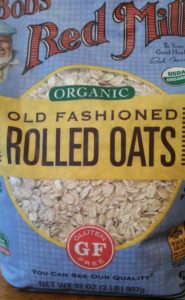 Achieve dramatically lower pesticide levels in your body in a few days! No need for "colonics" or "detox regimens". All one has to do is eat organic food to lower pesticide levels! And the more organic food in the diet, the better.
 Are human papilloma viruses (HPV) causing some prostate cancers? And could getting the HPV vaccine help in preventing some cases of prostate cancer? Sure sounds like it according to a recent
  Some more good news for women who breastfeed their babies. A large
  Another great reason to lose weight if you are really overweight (let's be honest, the term is "obese") is a lower risk of two types of skin cancer: squamous cell carcinoma and melanoma. Obesity is considered a cancer risk, that is, it increases the risk of cancer, and after bariatric surgery there is a lower risk of cancer.
 Food is all important for health. A
  Good news for women who really like to eat onions and garlic! A