
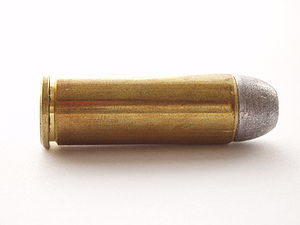
 We all know that lead exposure is harmful, especially to developing babies and children. But what about eating meat (e.g. venison) from an animal that has been shot with lead bullets? Does the lead contaminate the meat?
This is an important question because hunters provide game not only for their families, but also donate meat (such as venison) to food pantries.
A number of studies over the years have examined this issue and the finding is that YES - using lead-based bullets contaminates the meat. Bullets can fragment into hundreds of small pieces (many are microscopic fragments only detectable with x-rays or chemical analysis), especially if they hit large bones of the animal. These fragments are still there and detectable after processing.
So yes, people wind up ingesting meat with tiny lead bullet fragments, even if they cut away several inches of meat from the bullet's path in the animal. Tiny bullet fragments travel more than 6" inches away, and even 11" away from the bullet path. Studies find that eating meat from animals shot with lead based ammunition results in a spike in blood lead levels - which gradually goes down over months, but also migrates to the bones where it stays.
In 2013 a group of 30 nationally and internationally recognized scientists with lead and environmental health expertise collaborated to create an evidence-based consensus statement called Health Risks from Lead-Based Ammunition in the Environment—A Consensus Statement of Scientists 2013. Along with listing scientific evidence, they ask for the reduction and elimination of lead-based ammunition, in order to protect human and environmental health.
Unfortunately, hunters usually do not know this information. It's not publicized, and doctors don't mention it. But hunters should be informed. One can't imagine anyone wanting to deliberately eat meat containing lead fragments. Or wanting to feed it to children or pregnant women.
What can you do? Don't use any lead-based ammunition. Only eat game shot with non-lead ammunition. The evidence is there that if lead-based ammo is used to kill the animal, then the person eating the animal will ingest some lead bullet fragments.
Excerpts from Environmental Health News: Lead in hunted meat: Who’s telling hunters and their families? ...continue reading "Do Lead Bullets Contaminate Hunted Meat?"
 Air pollution is a
  Please, only buy or use sofas and upholstered chairs that do NOT contain any flame retardant chemicals. Be sure to look at
  There may be another unexpected benefit to having a pet dog in childhood - a lower risk of developing schizophrenia later in adulthood. A
  Adding fluoride to municipal drinking water has been controversial for years, with much debate over benefits (prevention of tooth decay) vs health concerns. Especially worrisome are recent studies finding that fluoride in drinking water may have negative effects on children's IQ, whether the fluoride exposure occurs during
  Several recent studies have highlighted the negative effects of air pollution on the brain, specifically from the tiniest particles in polluted air (called PM 2.5). These tiny particles get to the human brain and cause all sorts of damage. Even at levels within government guidelines.
 Pesticides are harmful to developing brains, especially during pregnancy. A number of studies have already found that higher exposure to organophosphate pesticides during pregnancy is linked to poorer cognitive functioning and behavior problems in children. A recent University of California study actually looked