
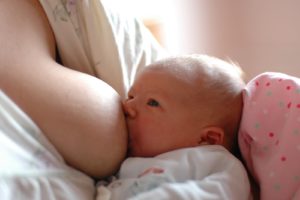
Credit: Wikimedia Commons/ Anton Nosik
For years it has been known that breast milk transfers hundreds of microbial species to the baby - which is very important and beneficial for the baby's microbiome (community of fungi, viruses, bacteria, and other microbes) and health. A recent study found that the bacteria in breast milk varies over time, which is a good reason to breastfeed for at least 6 months - the baby ingests all these beneficial species in the breast milk.
Breast milk samples were collected from 76 breastfeeding (lactating) mothers living in 8 villages in the remote Western Highlands of Guatemala during "early lactation" (6–46 days postpartum) or after months of breastfeeding or "late lactation" (109 to184 days postpartum). Modern technologies (genetic sequencing) were used to analyze the breast milk.
The researchers found a bacterial or microbiome shift from Staphylococcus and several Streptococcus species in early lactation to Sphingobium and Pseudomonas species in late lactation, along with other bacterial shifts. The changing bacterial species have different roles in the body. There were even species never before reported in breast milk, such as: Janthinobacterium agaricidamnosum, Novosphingobium clariflavumm, Ottowia beijingensis, and Flavobacterium cucumis.
Of course much is still unknown about the breastmilk microbiome, and even what is a "core" breast milk microbiome - that is, what species are the core species in all breast milk. But it's clear what the baby gets from the breast milk changes over time. It's still early days in this research!
Note that all these hundreds of species are not those found in probiotic supplements or formula - a baby must breastfeed to get them. Unfortunately, it is estimated that only 26% of North American mothers breastfeed their babies for at least 6 months (Unicef data).
From Futurity: Breast Milk Offers Different Bacteria Over Time
This bacterial cocktail could act like a daily booster shot for infant immunity and metabolism. ...continue reading "The Bacteria In Breast Milk Change Over Time"
 Many people don't realize that the plastic toys our children play with may contain harmful chemicals. Children get exposed to these chemicals by touching the toy (absorption through the skin), or ingesting chemicals (e.g. when a baby mouths the toy, or child ingests dust from the toy), but also from breathing in chemicals leaching out of all the plastic toys in the room into the air. This has been known a long time, yet here we are...
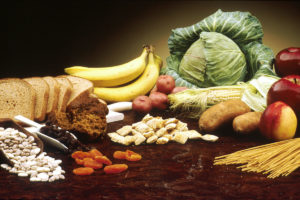 Have you wondered whether a totally vegan diet for young children is healthy? Are they missing nutrients? A study from Finland attempted to answer this question by comparing young children eating vegan diets with those eating vegetarian and omnivore (both meat and plants) diets. A vegan diet contains no animal products, including eggs and dairy.
 There is much concern nowadays about all the many chemicals we are exposed to in our lives. These include pesticides, heavy metals (e.g. lead, mercury), and chemicals that act as endocrine disruptors (hormone disrupting chemicals), such as BPA and phthalates. These chemicals are all around us and are linked to all sorts of health effects, including
  It turns out that plastic baby bottles shed millions of tiny plastic particles (microplastics) into the breast milk, formula, or water in them. At this point we don't really know what ingesting multitudes of microplastics every day does to a person, but assume that it is not beneficial and we should try to lower how much we ingest. (Microplastics are turning up in foods and water, especially bottled water - we are
  To boost the immune system of young children, as well as improve their skin and gut microbiomes - send them out daily to play in a natural environment. That means outdoors in a natural park-like setting with grass, plants, soil, and trees. Yes, germs and dirt!
 A recent
 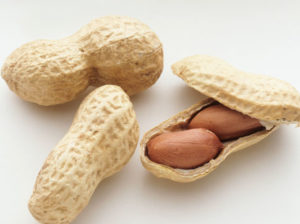 Peanut allergies can be life-altering and life-threatening. But in the past year there have been welcome developments in both preventing peanut allergies and in treatment of peanut allergies in children.