
Of course! Makes sense that people who have a higher sense of purpose in life are at lower risk of death and cardiovascular disease!. From Science Daily:
Sense of purpose in life linked to lower mortality and cardiovascular risk
People who have a higher sense of purpose in life are at lower risk of death and cardiovascular disease, reports a pooled data analysis."Possessing a high sense of purpose in life is associated with a reduced risk for mortality and cardiovascular events," according to the study by Drs. Randy Cohen and Alan Rozanski and colleagues at Mt. Sinai St. Luke's-Roosevelt Hospital, New York. While the mechanisms behind the association remain unclear, the findings suggest that approaches to strengthening a sense of purpose might lead to improved health outcomes.
Using a technique called meta-analysis, the researchers pooled data from previous studies evaluating the relationship between purpose in life and the risk of death or cardiovascular disease. The analysis included data on more than 136,000 participants from ten studies -- mainly from the United States or Japan. The US studies evaluated a sense of purpose or meaning in life, or "usefulness to others." The Japanese studies assessed the concept of ikigai, translated as "a life worth living."
The study participants, average age 67 years, were followed up for an average of seven years. During this time, more than 14,500 participants died from any cause while more than 4,000 suffered cardiovascular events (heart attack, stroke, etc).
The analysis showed a lower risk of death for participants with a high sense of purpose in life. After adjusting for other factors, mortality was about one-fifth lower for participants reporting a strong sense of purpose, or ikigai. A high sense of purpose in life was also related to a lower risk of cardiovascular events. Both associations remained significant on analysis of various subgroups, including country, how purpose in life was measured, and whether the studies included participants with pre-existing cardiovascular disease..
There is a well-documented link between "negative psychosocial risk factors" and adverse health outcomes, including heart attack, stroke, and overall mortality. "Conversely, more recent study provides evidence that positive psychosocial factors can promote healthy physiological functioning and greater longevity," according to the authors.
While further studies are needed to determine how purpose in life might promote health and deter disease, preliminary data suggest a few basic mechanisms. The association might be explained physiologically, such as by buffering of bodily responses to stress; or behaviorally, such as by a healthier lifestyle.
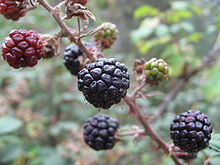 It seems that a lot has been written about the health benefits of some berries, such as blueberries, while other berries have been neglected. This study focused on red raspberries, black raspberries, and blackberries. While the study was done in Poland, it was pointed out that these berries are also commonly grown in the USA. Red raspberry, black raspberry, and blackberry fruits are abundant in dietary phytochemicals such as flavonols, phenolic acids, ellagitannins, vitamins C and E, folic acid, and β-sitosterol. Many of these bioactive compounds exhibit antioxidant activity. Anthocyanins and other phenolic compounds such as ellagitannins and ellagic acid, which distinguish raspberry from other berries, occur in high levels and are mainly responsible for their broad beneficial health properties (including anti-inflammatory, antimicrobial, and antiviral activities).
 New research showed that eight days after a concussion, the concussed athletes (football players) looked and felt like they had recovered (clinical recovery), but MRIs showed that there were still neurophysiological abnormalities (significant blood flow decrease) in their brains. They did not look at if and when the blood flow returned to normal, but that research also needs to be done.
 Loneliness or social isolation is a health risk that can increase the risk of chronic illness and premature death.
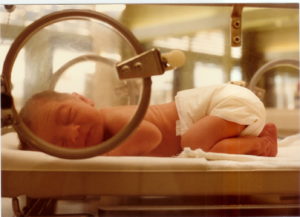 Another excellent reason to breastfeed premature infants - to increase the odds of preventing retinopathy of prematurity (ROP), which is the reason preemies can go blind. It occurs when blood vessels in the retinas of premature infants start to grow out of control. If the abnormal growth continues, the retinas detach, and this can cause blindness.
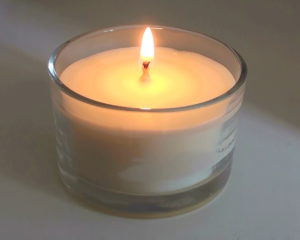 Several people have recently asked me whether scented candles have any health effects. The answer is a big YES - they have many negative health effects, and so do other scented products such as air fresheners and dryer sheets (e,g, Bounce). All of them contain fragrances and other chemicals - all from petrochemicals (which means they are chemical products derived from petroleum). And yes - all 3 products are totally unnecessary, so ditch them for better health. View all of them as
 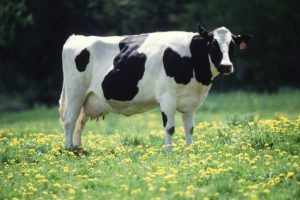 The American Academy of Pediatrics released a new report that the overuse of antibiotics in animals poses a real health risk to children. Giving routine antibiotics to animals leads to antibiotic resistant bacteria - which means that antibiotics may not work when given to people. Most of the antibiotics sold in the U.S. each year - 80 percent- are used in animals that people than eat. The great majority of antibiotics given to animals are the same ones given to humans.The main way to ensure that the meat that you are purchasing is antibiotic-free is to
 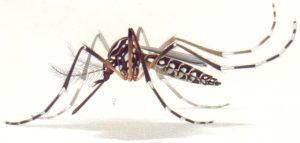 People spend a lot of effort trying to repel mosquitos - because the bites are so annoying and because they spread serious diseases. New research looking at different mosquito repellents - both DEET and non-Deet ("natural") products - had interesting results. What was once thought effective in repelling mosquitoes doesn't work at all (vitamin B patch), and what was thought attractive to mosquitoes may actually repel them (floral scents), and the "natural" alternatives may or may not work. Also - the
  The Y-shaped tube used in the study.
 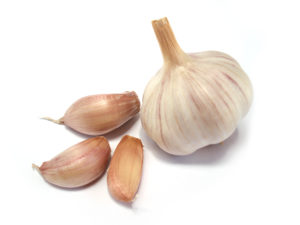 This study found that men who eat a lot of garlic (4 cloves in raw or capsule form) had a "more attractive" body odor to women. This is