
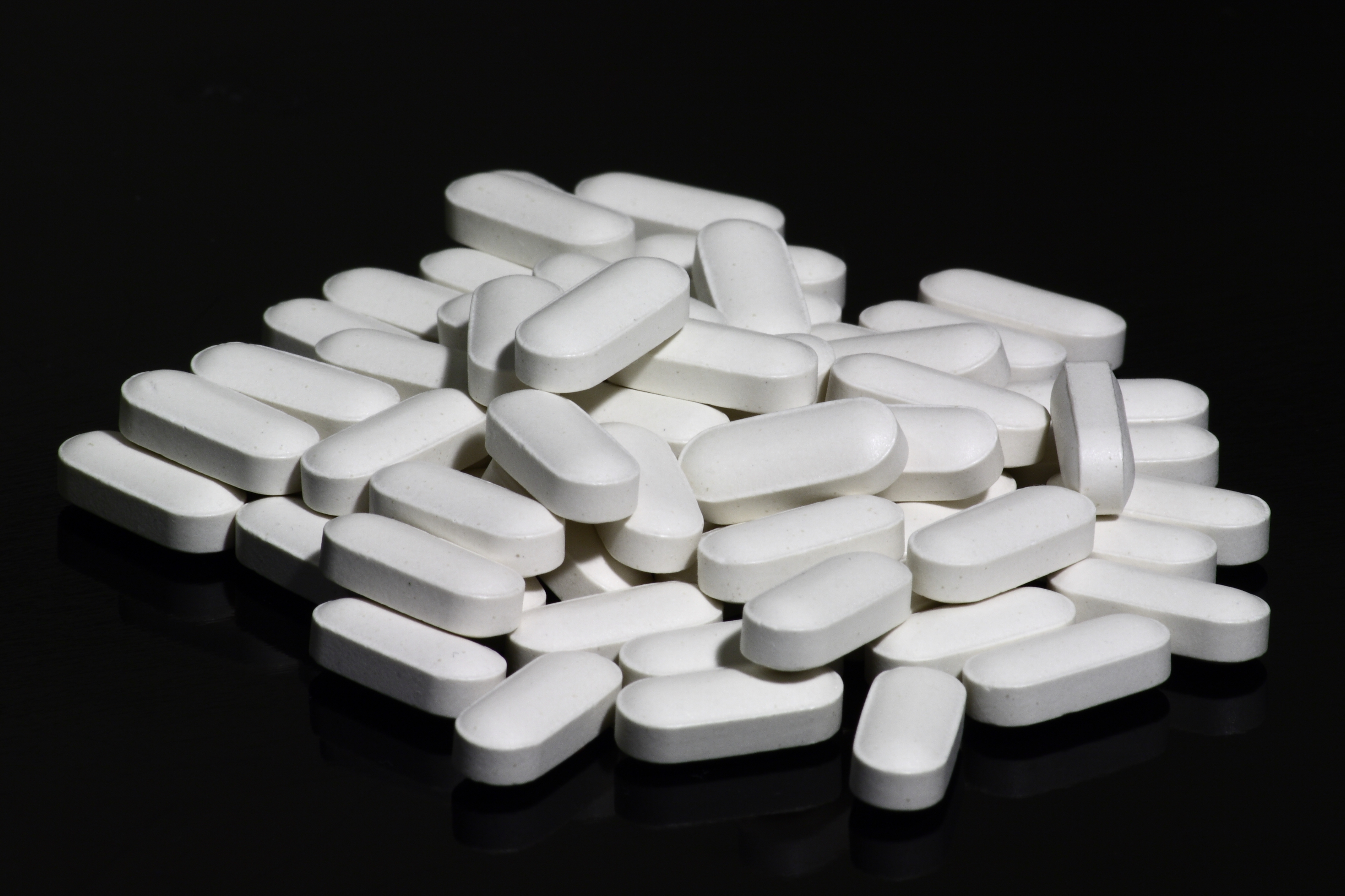
 More bad news about BPA (bisphenol A) - an endocrine disrupter linked to a number of health problems, including reproductive disorders (here, here, and here). A new study has lent support for a link between bisphenol A (BPA) exposure during pregnancy and later breast cancer. BPA can cross the placenta in the womb, and so expose the fetus, it has been found in placental tissue, and newborns can be exposed through breastfeeding. BPA is found in the urine of about 95% of the U.S. population.
It's hard to avoid BPA because it's found in so many products, but a person can lower exposure to it by avoiding canned products (it's in the can linings), as well as plastic bottles and containers, microwaving or heating food in plastic containers, and fast food (it's in the packaging and leaches into the food) . Glass and stainless steel is OK for storing food. By the way, BPA substitutes such as BPS and BPSIP have the same negative health effects (because they're chemically similar) - so also avoid "BPA-free" products. From Endocrine News;
A Pervasive Threat: The Danger of in utero BPA Exposure
A new study presented at ENDO [Endocrine Society] 2016 revealed a possible link between bisphenol A exposure in utero to breast cancer later in life. In the process, the researchers created a new bioassay that can test chemicals much faster than typical animal studies. Almost every single person alive today has detectable amounts of endocrine-disrupting chemicals (EDCs) in his or her body, according to the 2015 joint Endocrine Society/IPEN publication Introduction to Endocrine Disrupting Chemicals (EDCs): A Guide for Public Interest Organizations and Policy-Makers.
These EDCs — phthalates (plasticizers), bisphenol A (BPA), polychlorinated biphenyls (PCBs), and others, in their bodies — are hormone-like industrial chemicals that did not even exist 100 or so years ago. Studies on human populations consistently demonstrate associations between the presence of certain chemicals and higher risks of endocrine disorders such as impaired fertility, diabetes, obesity, cardiovascular disorders, and cancer.
The xenoestrogen BPA is especially prevalent as a component used in rigid plastic products such as compact discs, food and beverage containers, food and formula can linings, and glossy paper receipts. In the case of food containers, when they are heated or scratched, the BPA can seep out into the food and then be ingested. BPA also escapes from water pipes, dental materials, cosmetics, and household products among others and is released into the environment or directly consumed. According to research, such exposures help account for why BPA has been found in the urine of a representative sample of 95% of the U.S. population.
Notably, BPA can cross the placenta in the womb, indirectly exposing the fetus — it has been found in both maternal and fetal serum as well as neonatal placental tissue. Newborns can also be directly exposed through breastfeeding.
The results of a study presented at ENDO 2016 provide compelling support for the idea that fetal exposure to BPA might increase risk for development of breast cancer in adulthood; in fact, it may explain why overall incidence increased in the 20th century. Lucia Speroni, PhD, a research associate and member of the Soto-Sonnenschein lab at Tufts University School of Medicine in Boston and the study’s lead investigator, reports, “We found that BPA acts directly on the mammary gland and that this effect is dose dependent: A low dose significantly increased ductal growth, whereas a high dose decreased it.”
“Because these effects are similar to those found when exposing the fetus through its mother, our experiment suggests that BPA acts directly on the fetal mammary gland, causing changes to the tissue that have been associated with a higher predisposition to breast cancer later in life,” Speroni explains. In replicating the process of mammary gland development in vitro, this method additionally allows for live observation throughout the whole process.....The lab team had previously shown that the most harmful time for exposure to BPA is during fetal development by causing alterations in the developing mammary gland.
 Once again, research shows that a
  My
My  A recent study found that yoga is as good as physical therapy in reducing chronic back pain in a diverse group of low-income patients. In those sticking with the program and attending the most yoga classes, yoga was better in the long-term than physical therapy and much better than just receiving educational advice about back pain. Both physical therapy and yoga reduced pain medication use by 20% at 12 weeks. These findings are supported by other research finding that yoga improves pain, function, reduces medication use, and practicing yoga long-term results in positive brain changes (such as more gray matter in the brain). From Medscape:
 More great news about drinking coffee daily - for women. Older women (between ages of 65 to 80 at the start of the study) reporting drinking higher amounts of caffeinated beverages (about 261 mg which is about 2 to 3 cups of coffee per day) had a lower incidence of dementia and cognitive impairment over a 10 year period (as compared to the low caffeine group). The low caffeine group averaged 64 mg of caffeine per day. Other studies also found a reduction in "cognitive decline" in older people with coffee consumption. This study, among others, is more evidence of caffeine being "neuroprotective". NOTE: an 8-ounce cup of brewed coffee contains about 95 mg of caffeine, 8-ounces of brewed black tea contains about 47 mg, a 12-ounce can of carbonated cola contains 33 mg, and 8-ounces of decaffeinated coffee has about 5 mg of caffeine. Science Daily:
 Recent research examined levels of endocrine disruptors called phthalates in people eating fast food. Researchers found evidence of a dose–response relationship between fast food intake and exposure to phthalates - the more one eats fast food, the more phthalates (actually metabolites of the phthalates) can be measured in the person's urine. Fast food consumers had higher urinary levels of the phthalates DEHP, DiNP, and BPA than those not consuming fast food (even though the differences in levels of BPA among groups were "non-significant"). This is of concern because these endocrine disruptors are linked to a
  Many of us grew up having silver colored dental fillings (called dental amalgam) in our teeth. Dental amalgam has been used for over 150 years for the treatment of dental cavities (caries) because it is durable, easy to use, and affordable. But it is composed of about 50% elemental mercury (Hg) and so it may release a certain amount of mercury both during the time the cavity is filled and afterward with normal wear. Mercury can cause adverse health effects, such as effects on the central nervous system, kidneys, and immune system. Human mercury exposure also occurs through the consumption of mercury (MeHg) contaminated seafood.
 Monosodium glutamate is an additive used as a "flavor enhancer" that has long been used in foods (processed and packaged foods, as well as fast food and restaurant meals) - and it has also been controversial for decades. Even four decades ago some people complained of headaches after having foods with added monosodium glutamate, and since then health complaints have just increased. Since so much is still unknown about the health effects of additives commonly added to foods, then many people just want to avoid them. But it's tricky because manufacturers sneak monosodium glutamate into foods using various other name such as hydrolyzed vegetable protein, autolyzed yeast, glutamic acid, and yeast extract.