Skip to content

Huh - all that talk and research for years about the first born being the smartest and most responsible. Yes...but according to this large study comparing 377,00 high school students from different families, the differences are so small as to be meaningless (1 IQ point!). Researchers looking within-families (studying siblings within families) say that the effects are larger. Depends on who you want to believe. And this study did not look at the siblings later in life - at achievements, etc. From Medical Xpress:

Birth order has no meaningful effect on personality or IQ, massive study reports

For those who believe that birth order influences traits like personality and intelligence, a study of 377,000 high school students offers some good news: Yes, the study found, first-borns do have higher IQs and consistently different personality traits than those born later in the family chronology. However, researchers say, the differences between first-borns and "later-borns" are so small that they have no practical relevance to people's lives. The analysis found - as a previous large-scale study did - that first-borns enjoy a one-IQ-point advantage over later-borns, Damian said. The difference is statistically significant but meaningless, she said.

The analysis also revealed consistent differences in personality traits between first-borns and later-borns - first-borns tended to be more extroverted, agreeable and conscientious, and had less anxiety than later-borns, for example - but those differences were "infinitesimally small," amounting to a correlation of 0.02, Roberts said. "But in terms of personality traits and how you rate them, a 0.02 correlation doesn't get you anything of note. You are not going to be able to see it with the naked eye. You're not going to be able to sit two people down next to each other and see the differences between them.."

The study controlled for potentially confounding factors - such as a family's economic status, the number of children and the relative age of the siblings at the time of the analysis - that might skew the results, Damian said. For example, wealthier families tend to have fewer children than other families, and so have a higher proportion of first-borns who also have access to more resources that may influence their IQ or personality, she said.

Many previous studies of birth order suffered from small sample sizes, Damian said. Many compared children with their siblings - a "within-family" design that some assert is better than comparing children from different families, as the new analysis did.

The team also evaluated a subset of the children in the study - those with exactly two siblings and living with two parents. This allowed the researchers to look for specific differences between first- and second-borns, or second- and third-borns. The findings confirmed those seen in the larger study, with specific differences between the oldest and a second child, and between second and third children. But the magnitude of the differences was, again, "minuscule," Roberts said.

The following article excerpts are from the talk "Food and Brain" about the best foods for the brain, at the annual 2015 meeting of the American Psychiatric Association (APA). This is in the new emerging field of food psychiatry, or how certain foods and diet influence the brain. The data is emerging that we can positively influence mental health through dietary interventions. For ex.: recent work reported that adults who followed the Mediterranean dietary pattern the closest over 4.4 years had a significantly reduced risk of developing depression (by 40% to 60%).

One key comment was: "Perhaps diet is the closest we've come to prevention in psychiatry." Some foods that are especially beneficial for the brain: seafood, greens, nuts, legumes (beans) and occasional dark chocolate. Use smaller amounts of meat (more as flavorings rather than just eating huge chunks of it) on top of a plant based diet. Also mentioned were the benefits of turmeric (because of the curcumin in it) and rosemary. And focus on improving the whole dietary pattern rather than just eating or not eating certain foods.

Note that BDNF is Brain-derived neurotrophic factor. This is a protein that acts on the brain, the nervous system, and it is very important for learning, memory, and higher thinking. So increasing BDNF levels is good. And remember, what's good for the brain is also good for the body and microbes - it's all intertwined. From Medscape:

Beans, Greens, and the Best Foods For the Brain

Dr Ramsey, in collaboration with the new International Society for Nutritional Psychiatry, is in the process of developing a standardized "brain food diet." "Food is a very effective and underutilized intervention in mental health," he started off. "We want to help our patients have more resilient brains by using whole foods...by helping get patients off of processed foods, off of white carbohydrates, and off of certain vegetable oils."

Though the field is in its infancy, food psychiatry is increasingly being embraced by clinicians and researchers, as a paper published earlier this year in the Lancet Psychiatry attests. "Although the determinants of mental health are complex," the authors wrote, "the emerging and compelling evidence for nutrition as a crucial factor in the high prevalence and incidence of mental disorders suggests that diet is as important to psychiatry as it is to cardiology, endocrinology, and gastroenterology." ..."The data are very promising that we can positively influence mental health through dietary interventions," commented Dr Ramsey.

"Hominid diets have changed drastically through millions of years of evolution.,,,But only in the past 100 years has our diet drastically switched from a whole foods diet to one that is more processed and high in refined carbohydrates; that includes more vegetable fats rather than meat fats; and preservatives, emulsifiers, and other additives, which appear to have contributed to a decline in our collective health.

Early humans evolved in the African Rift Valley, which is near a seacoast. It's possible that whatever evolutionary spark occurred that made us human occurred here, in part due to reliable access to seafoodoysters in particular—which glutted our brains with omega-3 fatty acids and cholesterol (our brains are composed of 60% fat). Oysters and other mollusks are also very high in nutrients, including B12, which is commonly deficient in people consuming vegan or vegetarian diets and is necessary for myelin and neurotransmitter function. 

A number of studies have linked the Mediterranean diet (high in fish oils, nuts, and grains and including maybe a little red wine) with advantageous effects on neurologic and mental health. Dr Deans cited recent work reporting that adults who followed the Mediterranean dietary pattern the closest over 4.4 years had a significantly reduced risk of developing depression (40%-60%)....When taken together, most of these dietary pattern studies, which have been conducted all over the world, consistently show that traditional, pre-processed diets are the healthiest, including for the brain. ..."Eat the rainbow," he says, given that bold, bright colors in nature tend to signify valuable vitamins and phytonutrients (the reds, purples, and greens in particular).

Seafood: Seafood is packed with brain-healthy omega-3 fatty acids. These healthy fats are also abundant in plants like chia and flax, but plant-based sources aren't as efficiently converted to docosahexaenoic acid (DHA), an important structural component of neuronal membranes. DHA also influences the expression of brain-derived neurotrophic factor (BDNF), which can benefit people who have mood and anxiety disorders. Bivalves like mussels, oysters, and clams are the top source of vitamin B12 as well as zinc: Six oysters (only about 10 calories each) provide 240% of our recommended daily B12 intake and 500% of our recommended zinc intake! Seafood is also a leading dietary source of vitamin D (we don't get it all from the sun) as well as iodine and chromium. Although many people worry about mercury in fish, Dr Ramsey provided an easy way around the concern: Eat small fish like sardines, anchovies, and herring, which typically don't accumulate toxic levels.

Leafy greens: A great base for a brain-food diet, leafy greens are a good source of fiber, folate (derived from the wordfoliage), magnesium, and vitamin K. Perhaps surprising, kale, mustard greens, and bok choy provide the most absorbable form of calcium on the planet, more so than milk. Greens also provide flavanols and carotenoids that have beneficial epigenetic influences (eg, including upping hepatic toxin processing). 

Nuts:... Nuts are packed with healthy monounsaturated fats. They help keep us full and also aid in absorbing fat-soluble nutrients. Nuts also provide fiber as well as minerals like manganese and selenium. A serving of 22 almonds (just 162 calories) contains 33% of our recommended vitamin E, plenty of protein, and minerals, including iron. One study from 2013 found that the Mediterranean diet augmented with nuts is associated with significantly higher BDNF levels in patients with depression.

Legumes: Dr Ramsey is pro-meat, but he acknowledges that many people are eating far too much and the wrong types of meat, and that nuts and legumes are a great alternative source of protein and nutrients...Some data suggest that vegan and vegetarian diets are associated with improved mood. But as previously mentioned, these dietary patterns can result in B12 deficiency, which has been associated with brain atrophy and developmental delay. Hence, supplementation is important in this population. Vegetarianism has also been linked with depression, anxiety, and eating disorders, as well as increased healthcare utilization and worse quality of life. These negative associations also could be due to the fact that it's harder to absorb nutrients like zinc, iron, and certain omega-3s from plants.

"The notion that the vegan diet is the healthiest diet on the planet is probably incorrect," said Dr Ramsey, before explaining that he just feels that we should approach meat in our diets differently....We want to help patients use beef and seafood more as flavorings on top of a plant-based diet." A modest amount of meat in the diet has its benefits, including nutrient availability: Hemoglobin-derived iron is up to 40% more absorbable than plant-based iron. Unlike most plants, meat provides all of the amino acids necessary for protein synthesis. Dr Ramsey emphasized the importance of seeking out leaner, grass-fed meats if one has the means.

The understanding of how microbiota contribute to our mental and medical well-being is rapidly advancing....One of the most powerful interventions to alter our microbiome is diet. Research shows that stressed mice experienced changes in the gastrointestinal microbiota, reflecting the gut-brain relationship. There are 260 million neurons connecting the gut and the brain; furthermore, many commensal gut bacteria make neurotransmitters and communicate with the brain via the vagus nerve....Although the science of probiotic therapies is relatively young, it's clear that these commensal organisms co-evolved with us and are adapted to our diet.

Finally, to close out the session, Dr Ramsey returned to the stage and asked, "So, can you eat to build a better brain? We think that you can if you focus on dietary patterns and not a single food here or there." He also reminded the audience to help their patients identify and increase their consumption of nutrient-dense foods and to "eat the rainbow,"..."I don't know of anything else that can potentially decrease the risk of depression in a population by 40%," he concluded. "Perhaps diet is the closest we've come to prevention in psychiatry."

...Evidence suggests that curcumin, an ingredient in turmeric, increases BDNF. Other research has found that populations that eat more curry have a decreased risk for dementia, while rosemary extract may help prevent cognitive impairment. "Many spices seem to have healing properties," Dr Ramsey commented.

Although the "Food and the Brain" session at the American Psychiatric Association annual meeting focused on what to eat in the interest of brain health, intermittent fasting might also be beneficial for the brain. In addition to helping maintain a healthy weight, fasting induces ketosis. Ketone metabolism has been shown to be beneficial for the brain and improve cognition in patients with mild cognitive impairment or Alzheimer disease. Keep in mind that fasting can come with risks for some people, particularly diabetics, and should be discussed with a healthcare provider.


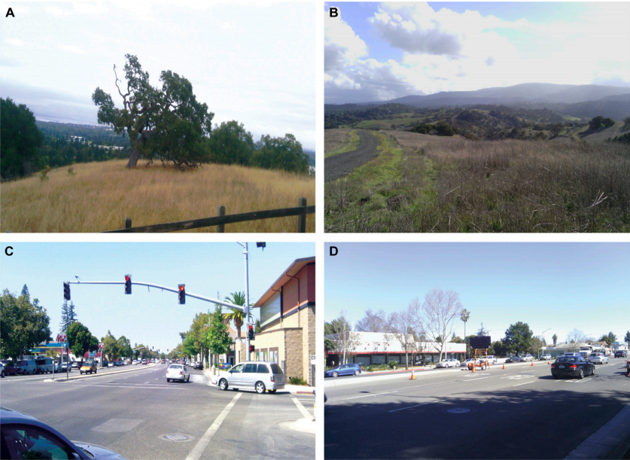
The wonders of nature! A small study found that taking a 90 minute walk in "natural" (wild) environments boost mental well-being by reducing rumination  (obsessive, negative thoughts focused on yourself). It is thought that rumination is associated with increased risk for depression and other mental illnesses. Rumination actually shows up in MRIs scans as increased activity in a brain region called the subgenual prefrontal cortex, an area of the brain that regulates negative emotions. The researchers suggest that these findings support the need for natural areas (parks) in urban areas.There have been a number of other studies finding that nature reduces stress and improves well being. Bottom line: take a walk in nature to feel better. From Medical Xpress:

Walking in nature found to reduce rumination

A team of researchers working at Stanford University has found that people walking in a "natural" environment tend to engage in less rumination...Biomedical researchers believe that some instances of both anxiety and/or depression come about due to what they call rumination—constantly flogging oneself with criticism of past mistakes and some studies have suggested that living in an urban environment might contribute to an increase in rumination. In this new effort, the researchers sought to learn if it might be possible for people to lessen the degree of rumination they engage in by simply going for a walk in a natural setting.

To find out, the team enlisted the assistance of 38 reasonably healthy adult male and female individuals—they were asked to participate in a study that consisted of taking questionnaires and undergoing fMRI scans before and after going for an hour and a half walk. The volunteers were split into two groups, one got to walk in a grassy area near the Stanford campus that was lined with lots of trees—the other group found themselves marching around in a strictly urban setting. The questionnaires were designed to illuminate rumination, while the fMRI scans focused on the subgenual prefrontal cortex—prior research showed it tended to light up during periods of rumination.

Afterwards, the researchers analyzed and crunched the data from the questionnaires and brain scans and came up with a rumination score which they then used to compare people in the two groups. They found that rumination remained level for the urban walkers but fell on average from 35.4 to 33.1 for the nature walkers. This the team claims, shows that taking a walk in a natural environment setting can reduce rumination, and possibly reduce symptoms of anxiety and depression, though they acknowledge that their sample size was small and suggest more research will need to be done to confirm their findings.

This study reveals a pathway by which nature experience may improve mental well-being and suggests that accessible natural areas within urban contexts may be a critical resource for mental health in our rapidly urbanizing world.

 Views from the nature (A and B) and urban (C and D) walks the participants took (PNAS)

Could this be true? Eating fermented foods linked to fewer social anxiety symptoms? Fifteen years ago before the world of bacteria could be explored with state of the art genetic tests, this would have sounded too woo-woo. And now we say - could be. Next the researchers will test an experimental version of this study to see if they find causation. Right now all we can say they are linked or that we see an association.

But note that exercise also reduced social anxiety (this was also a finding in other studies). From Science Daily:

Decreased social anxiety among young adults who eat fermented foods

A possible connection between fermented foods, which contain probiotics, and social anxiety symptoms, is the focus of recent study...The researchers found that young adults who eat more fermented foods have fewer social anxiety symptoms, with the effect being greatest among those at genetic risk for social anxiety disorder as measured by neuroticism. "It is likely that the probiotics in the fermented foods are favorably changing the environment in the gut, and changes in the gut in turn influence social anxiety," said Hilimire. "I think that it is absolutely fascinating that the microorganisms in your gut can influence your mind."

The researchers designed a questionnaire that was included in a mass testing tool administered in the university's Introduction to Psychology courses during the fall 2014 semester; about 700 students participated. The questionnaire asked students about the fermented foods over the previous 30 days; it also asked about exercise frequency and the average consumption of fruits and vegetables so that the researchers could control for healthy habits outside of fermented food intake, said Hilimire.

"The main finding was that individuals who had consumed more fermented foods had reduced social anxiety but that was qualified by an interaction by neuroticism. What that means is that that relationship was strongest amongst people that were high in neuroticism," Hilimire said.The secondary finding was that more exercise was related to reduced social anxiety

"However, if we rely on the animal models that have come before us and the human experimental work that has come before us in other anxiety and depression studies, it does seem that there is a causative mechanism," said Hilimire. "Assuming similar findings in the experimental follow-up, what it would suggest is that you could augment more traditional therapies (like medications, psychotherapy or a combination of the two) with fermented foods -- dietary changes -- and exercise, as well."

Two studies showing detrimental effects on children from pyrethroids in 2 weeks! The June 3 post was about research linking household pyrethroid exposure to ADHD in children and young teens. The second study found that low level childhood exposures to pyrethroid insecticides was linked to lower scores on an IQ test (Wechsler Intelligence Scale for Children - verbal comprehension and working memory) in 6 year old children. The researchers viewed this as evidence that pyrethroid insecticides may "negatively affect neurocognitive development".

Bottom line: even though pyrethroid pesticides are considered safer than many other pesticides, they still can have undesirable effects on humans, especially developing children. To be safe, use least toxic pest control that uses non-toxic, safe "alternative" or "natural" methods rather than just "spraying a chemical". Another possibility is looking for "organic pest control" or"least-toxic Integrated Pest Management" (IPM) that looks to deal with pest problems with non-toxic methods (which may include sealing holes, heat, caulking, trapping, using sticky traps, and even vacuuming up insects). From Science Daily:

Impact of insecticides on the cognitive development of 6-year-old children

Researchers have provided new evidence of neurotoxicity in humans from pyrethroid insecticides, which are found in a wide variety of products and uses. An increase in the urinary levels of two pyrethroid metabolites (3-PBA and cis-DBCA) in children is associated with a significant decrease in their cognitive performances , particularly verbal comprehension and working memory. This study was carried out on nearly 300 mother and child pairs from the PELAGIE cohort (Brittany).

Pyrethroids constitute a family of insecticides widely used in a variety of sectors: agriculture (various crops), veterinary (antiparasitics) and domestic (lice shampoo, mosquito products). Their mode of action involves blocking neurotransmission in insects, leading to paralysis. Because of their efficacy and relative safety for humans and mammals, they have replaced older compounds (organochlorides, organophosphates, carbamate) considered more toxic.

Exposure of children to pyrethroids is common. It is different to adult exposure, due to the closer proximity of children to ground-level dust (which stores pollutants), more frequent hand-to-mouth contact, lice shampoos, etc. In children, pyrethroids are mainly absorbed via the digestive system, but are also absorbed through the skin. They are rapidly metabolised in the liver, and mainly eliminated in the urine as metabolites within 48 hours.

Pregnancy is also an important period of life for the future health of the child. For this reason, the researchers studied the PELAGIE mother-child cohort established between 2002 and 2006, which monitors 3,500 mother-child pairs. This cohort simultaneously considers exposure to pyrethroid insecticides during fetal life and childhood. A total of 287 women, randomly selected from the PELAGIE cohort and contacted successfully on their child's sixth birthday, agreed to participate in this study.

Two psychologists visited them at home. One assessed the child's neurocognitive performances using the WISC scale (verbal comprehension index, VCI, and working memory index, WMI). The other psychologist characterised the family environment and stimuli that might have had a role on the child's intellectual development, collected a urine sample from the child, and collected dust samplesExposure to pyrethroid insecticides was estimated by measuring levels of five metabolites (3-PBA, 4-F-3-PBA, cis-DCCA, trans-DCCA and cis-DBCA) in urine from the mother (collected between the 6th and 19th weeks of pregnancy) and from the child (collected on his/her 6th birthday).

Results show that an increase in children's urinary levels of two metabolites (3 PBA and cis-DBCA) was associated with a significant decrease in cognitive performances, whereas no association was observed for the other three metabolites (4-F-3-PBA, cis-DCCA and trans-DCCA). With respect to metabolite concentrations during pregnancy, there was no demonstrable association with neurocognitive scores.

Textbooks will have to be rewritten with the recent discovery of a system of lymphatic vessels that are a direct link from the immune system to the brain. Amazing that after centuries of studying people, that only now was this system detected (but they are very small and they follow a major blood vessel down into the sinuses). After extensive research,  the researchers determined that these vessels carry both fluid and immune cells from the cerobrospinal fluid, and that they exist in humans. The discovery reinforces findings that immune cells are present even within healthy brains, a notion that was doubted until recently.From Medical Daily:

Discovery Of 'Missing Link' Between Brain And Immune System Could Change How Disease Is Studied

The recent discovery of a "missing link" between the brain and the immune system may lead to a complete revision of biology textbooks. The link, vessels of the lymphatic system that run through the sinuses, were previously unidentified and thought not to exist. However, the true significance of the discovery lies in the potential effects this finding could have on both the study and treatment of neurological diseases such as Alzheimer’s disease and multiple sclerosis.  

The newly discovered "central nervous system lymphatic system vessels" follow a major blood vessel down into the sinuses, an area that has been traditionally difficult to obtain images of. Their presence is causing a stir in the medical world, as the researchers responsible believe the vessels may help to explain current medical mysteries, such as why patients with Alzheimer’s disease have accumulations of large protein plaques in the brain.

The fascinating discovery was made by researchers at the University of Virginia School of Medicine, and a study on the finding is currently available in the online journal Nature....Using a recently developed method, the team mounted the meninges, the membranes covering the brain, on a single slide so that they could be better observed. Only after doing this were they able to notice the brain’s elusive lymphatic vessels.   "It's so close to the blood vessel, you just miss it," Kipnis said. "If you don't know what you're after, you just miss it."

The team believes that the “missing link” between the brain and the immune system could explain why some diseases like Alzheimer’s can cause plaque buildup in the brain. Kipnis believes this plaque may be the result of the meningeal lymphatic vessels not efficiently removing buildup before it reaches the brain. Although scientists are currently not sure what causes cell death and tissue loss in the brains of those with Alzheimer’s, this plaque buildup is believed to play a role.

It’s not just the presence of plaque in the brain that the researchers hope this discovery can shed light on. According to Kipnis, this discovery could completely change the way we perceive the neuro-immune interaction.“We believe that for every neurological disease that has an immune component to it, these vessels may play a major role,” Kipnis said. “Hard to imagine that these vessels would not be involved in a [neurological] disease with an immune component.”The vessels also appear to look different with age, which has lead the researchers to suggest that they may play a role in the aging process.


Maps of the lymphatic system: old (left) and updated to reflect UVA's discovery.   Credit: University of Virginia Health System

New noteworthy research links commonly used household pyrethroid pesticides to attention deficit hyperactive disorder (ADHD) in children and young teens, especially boys. Ome drawback was that the results were based on a single urine sample.Since pyrethroids are non-persistent and rapidly metabolized, then looking at numerous samples over time would have provided a more accurate assessment of typical long-term exposure. Given how many households use pyrethroid pesticides and that there are seasonal variations in pesticide use, then it wouldn't be surprising if there are times when pyrethroid exposure is higher and so the link to ADHD may even be stronger than seen in this original study.From Medical Xpress:

Study links exposure to common pesticide with ADHD in boys

A new study links a commonly used household pesticide with attention deficit hyperactivity disorder (ADHD) in children and young teens.The study found an association between pyrethroid pesticide exposure and ADHD, particularly in terms of hyperactivity and impulsivity, rather than inattentiveness. The association was stronger in boys than in girls.

Due to concerns about adverse health consequences, the United States Environmental Protection Agency banned the two most commonly used organophosphate (organic compounds containing phosphorus) pesticides from residential use in 2000-2001. The ban led to the increased use of pyrethroid pesticides, which are now the most commonly used pesticides for residential pest control and public health purposes. They also are used increasingly in agriculture.

Pyrethroids have often been considered a safer choice because they are not as acutely toxic as the banned organophosphates. Animal studies, on the other hand, suggested a heightened vulnerability to the effects of pyrethroid exposure on hyperactivity, impulsivity and abnormalities in the dopamine system in male mice. Dopamine is a neurochemical in the brain thought to be involved in many activities, including those that govern ADHD.

The researchers studied data on 687 children between the ages of 8 and 15. The data came from the 2000-2001 National Health and Nutrition Examination Survey (NHANES),...included a diagnostic interview of children's ADHD symptoms and pyrethroid pesticide biomarkers. Pesticide exposure measurements were collected in a random sample of the urine of half the 8-11 year olds and a third of the 12-15 year olds. ADHD was determined by meeting criteria on the Diagnosic Interview Schedule for Children,...

Boys with detectable urinary 3-PBA, a biomarker of exposure to pyrethroids, were three times as likely to have ADHD compared with those without detectable 3-PBA. Hyperactivity and impulsivity increased by 50 percent for every 10-fold increase in 3-PBA levels in boys. Biomarkers were not associated with increased odds of ADHD diagnosis or symptoms in girls.

Much has been written in the past few months on how to keep your brain sharp and avoid cognitive and memory declines due to aging, and especially how to lower the risk of dementia.

Many studies have shown the following to be beneficial to brain health: exercise (any exercise, including walking, is good), having friends and social networks to interact with, eating a lot of healthy foods (fruits, vegetables, whole grains, legumes (beans), seeds, nuts, and fish), having a purpose in life, using the computer, playing video games (action puzzle games such as Portal 2 and NeuroRacer, but according to one study - not Lumosity), participating in arts or crafts, and learning new skills - that is, try out and learn new things (a musical instrument, a new language, take a class, a new craft, etc), or even visit new places.

Many of these can be summarized as: feed your brain and body, and keep your brain and body active. Here is one recent study of aging, from Medical Xpress:

Civic engagement may stave off brain atrophy, improve memory

Instead of shrinking as expected, as part of the normal aging process, the memory center in the brains of seniors maintained their size and, in men, grew modestly after two years in a program that engaged them in meaningful and social activities, new Johns Hopkins Bloomberg School of Public Health-led research suggests. At the same time, those with larger increases in the brain's volume over two years also saw the greatest improvements on memory tests, showing a direct correlation between brain volume and the reversal of a type of cognitive decline linked to increased risk for Alzheimer's disease.

The research, published online in Alzheimer's & Dementia: The Journal of the Alzheimer's Association, studied participants in the Baltimore Experience Corps, a program that brings retired people into public schools to serve as mentors to young children, working with teachers to help them learn to read in understaffed school libraries."By helping others, participants are helping themselves in ways beyond just feeding their souls. They are helping their brains. The brain shrinks as part of aging, but with this program we appear to have stopped that shrinkage and are reversing part of the aging process."

For the study, Carlson and her colleagues randomized 111 men and women to either participate in the Experience Corps (58) or not (53).... The control arm of the study, those not involved in Experience Corps, exhibited age-related shrinkage in brain volumes. Typically, annual rates of atrophy in adults over age 65 range from .8 percent to two percent. The men who were enrolled in Experience Corps, however, showed a .7 percent to 1.6 percent increase in brain volumes over the course of two years. 

Image result for Mediterranean dietMore support for health benefits of a Mediterranean diet. Results of a  study comparing brain health in groups of older people (in their 60s and 70s) suggest that a Mediterranean diet supplemented with olive oil or nuts may counter-act age-related cognitive decline (overall their cognitive test scores held steady). But the group assigned to the low-fat diet (the control group) worsened on cognitive tests. The Mediterranean diet emphasizes eating vegetables, fruits, legumes (beans), nuts, whole grains, seeds, olive oil, fish, moderate consumption of dairy products (mostly as cheese and yogurt), moderate wine consumption (optional), and low consumption of meat and meat products.From the Wall Street Journal:

Mediterranean Diet Boosts Brain Power, Clinical Study Finds

The Mediterranean diet, supplemented with a handful of nuts or a few tablespoons of olive oil a day, can counteract the effects of aging on the brain’s ability to function, a new clinical study suggests.

The study, published online Monday in JAMA Internal Medicine, was unusual in that it employed rigorous scientific practices to test the effect of the diet on health....Data gathered from previous observational studies suggested that adhering to a Mediterranean-type diet related to better cognitive function and a reduced risk of dementia, but observational studies have limitations, he said.

The Mediterranean diet, which has also shown benefits in cardiovascular health, emphasizes vegetables and fruits, unrefined grains and beans. It also includes fish and wine and minimal consumption of meat and full-fat dairy products.

The study involved 447 cognitively healthy participants, 55 to 80 years of age, who were divided into three groups. Two groups followed the Mediterranean diet and added either 30 grams of mixed nuts (walnuts, hazelnuts and almonds) a day, or five tablespoons of extra virgin olive oil a day. The third group, acting as a control, was advised to follow a low-fat diet. The subjects were followed for a median of just over four years.

The results showed that, compared with the control group, memory function remained stronger in the Mediterranean diet plus nuts group, while frontal (attention and executive function) and global cognition benefited in the Mediterranean diet plus olive oil group.

The diminished decline in cognitive function likely stems from the abundance of antioxidants and anti-inflammatory agents found in the supplemental foods, Dr. Ros said. Olive oil and nuts are rich in phenolic compounds that might counteract oxidative processes in the brain, leading to neurodegeneration, the study said. “If you can delay your age-related cognitive decline, you can process tasks with higher speed,” said Dr. Ros.

The research was a substudy of a larger investigation, designed by Dr. Ros, that found the Mediterranean diet, supplemented with additional olive oil or nuts, reduced the incidence of major cardiovascular events among people at high cardiovascular risk. That study, which involved nearly 7,500 participants and known by the acronym Predimed, was published in 2013.

Image result for dark chocolateGreat results (dark chocolate improves attention and lowers blood pressure), but keep in mind that the research was sponsored by the Hershey company. But not to worry, it basically found what other studies have found - that chocolate is a stimulant that activates the brain. From Science Daily:

Eat dark chocolate to beat the midday slump?

Larry Stevens eats a piece of high-cacao content chocolate every afternoon, which is in part because he has developed a taste for the unsweetened dark chocolate. It's also because research shows that it lowers blood pressure and his new study reveals that it improves attention, which is especially important when hitting that midday slump.

"Chocolate is indeed a stimulant and it activates the brain in a really special way," said Stevens, a professor of psychological sciences at NAU. "It can increase brain characteristics of attention, and it also significantly affects blood pressure levels."

Historically, chocolate has been recognized as a vasodilator, meaning that it widens blood vessels and lowers blood pressure in the long run, but chocolate also contains some powerful stimulants. Stevens said his team wanted to investigate if people who consume chocolate would see an immediate stimulant effect.

Stevens and his colleagues in the Department of Psychological Sciences performed the EEG study with 122 participants between the ages of 18 and 25 years old. The researchers examined the EEG levels and blood pressure effects of consuming a 60 percent cacao confection compared with five control conditions...The results for the participants who consumed the 60 percent cacao chocolate showed that the brain was more alert and attentive after consumption. Their blood pressure also increased for a short time.

The most interesting results came from one of the control conditions, a 60 percent cacao chocolate which included L-theanine, an amino acid found in green tea that acts as a relaxant. This combination hasn't been introduced to the market yet, so you won't find it on the candy aisle...."L-theanine is a really fascinating product that lowers blood pressure and produces what we call alpha waves in the brain that are very calm and peaceful," Stevens said. For participants who consumed the high-cacao content chocolate with L-theanine, researchers recorded an immediate drop in blood pressure.