
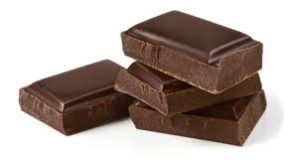
 We all know sitting too much is not good for our health. But for many of us, it's our reality - sit all day at work, and then come home and relax by sitting all evening. But there is some good news. A recent study found that eating foods rich in flavanols, such as cocoa, may protect our blood vessels from the harms of too much sitting.
While the research occurred in young healthy men (with either high or low levels of fitness), all had detrimental effects in their vascular health (blood flow) after several hours of sitting. Drinking a flavanol rich cocoa drink at the beginning of a 2 hour sitting time prevented the decrease in blood flow ("sitting-induced vascular dysfunction") in both upper and lower limbs.
The researchers did point out though, that some exercise every hour, even 5 minutes of walking or climbing stairs, would have the same effect.
Flavanols are naturally occurring polyphenols found in various fruits (e.g., blueberries, apples, grapes), green and black tea, matcha, nuts, red wine, and cocoa beans. They have previously been linked to cardiovascular benefits, including support for the vascular system during psychological stress. Eating diverse flavanoid rich foods is best because there are so many types of flavanols.
From Science Daily: Cocoa and tea may protect your heart from the hidden damage of sitting
New findings from the University of Birmingham suggest that regularly eating foods rich in flavanols, including tea, berries, apples, and cocoa, may help protect men's blood vessels from the negative effects that occur during long periods of sitting. ...continue reading "Some Foods May Protect Us From the Harms of Too Much Sitting"
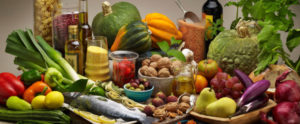 For years it has been known that increasing the amount of fiber (and drinking enough fluids) in a person's diet helps to prevent constipation. A recent large multi-year
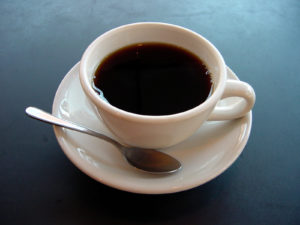 Good news for coffee drinkers. A recent
 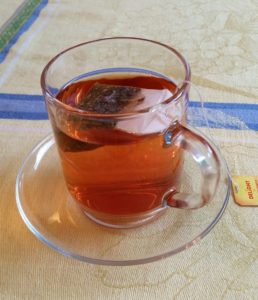 There is strong evidence certain plant compounds (flavan-3-ols, also known as flavanols or catechins) in these foods have beneficial effects on cardiovascular health. These compounds can lower blood pressure and improve endothelial function (functioning of the blood vessels). Two to three cups of tea daily! One to two servings of dark chocolate daily! Instead of chips for a snack, have an apple.
 After the recent incredibly hot and steamy week, it is nice to read something positive about nature. A recent review of studies found that taking a walk in a forest is good for us in a number of ways: reduces stress, improves our mood, and good for our physical health (e.g., lowers blood pressure, benefits immune system). It shouldn't be a surprise that walking in nature is soothing.
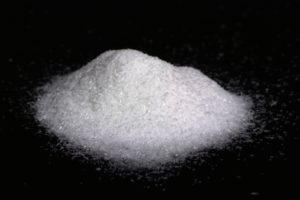 Once again artificial sweeteners are in the news, and not in a good way. New

 Remember when for years eating eggs was viewed as unhealthy? And people were told to only eat egg whites? Well, well... how views have changed. Another recent