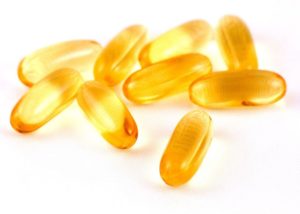
 The controversy over whether people should be supplementing with vitamin D or not, and whether there are health benefits or harms from vitamin D supplementation is heating up. While observational studies have found health benefits with higher vitamin D blood levels, the beneficial results have generally not held up (or mixed findings) when people were randomly assigned to groups (randomized clinical trials). Most agree that blood levels of under 20 ng per mL is too low, but an issue is what is a desirable blood level? Should healthy people routinely supplement?
Having higher blood levels of vitamin D from sunshine appears to be good (it's the sunshine vitamin, after all). It's the taking of a vitamin D supplement that is now controversial and being debated. By the way, if one decides to take a vitamin D supplement, then the D3 form is desirable (rather than D2).
It was pointed out that a number of negative health effects can occur in those taking more than 4000 IU daily of vitamin D. For example, it may cause toxic effects such as renal impairment, hypercalcemia, or vascular calcification. In 2014, 3% of all U.S. adults and 6.6% of adults older than 60 years reported taking a vitamin D supplement of 4,000 or more IU per day. [See all vitamin D posts - most discuss observational studies finding benefits.]
The following are articles from Medscape (the medical site) and American Family Physician discussing recent research that is not finding health benefits with vitamin D supplementation, or mixed findings (e.g. one review found it may be protective in lowering death from any reason or from cancer; also reduce the number of upper respiratory infections). Therefore, some medical groups suggest that vitamin D screening is an unnecessary test, a waste of money, and shouldn't be routinely done in healthy individuals. Note that many, many trials are going on right now to try to settle the vitamin D supplement issue (whether there are health benefits or not). ...continue reading "Mixed Findings In Vitamin D Supplement Studies"
 Does the type of iron in supplements and additives matter for your health? OK, this was a preliminary
  New research published in
  Of course! The results of
 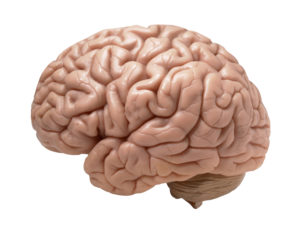 The last post dealt with the link between
 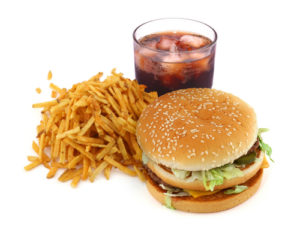 A
A  A number of recent studies and articles have discussed the effectiveness of diet in treating or preventing depression with the main conclusion that yes, it helps. Now an observational study (that will be presented in April) found that elderly people following the DASH diet most closely were 11% less likely to become depressed over time than those that did not.
 A recent study of pregnant women found new health problems with the pesticide glyphosate, which is the active ingredient in the weedkiller Roundup (made by Monsanto).
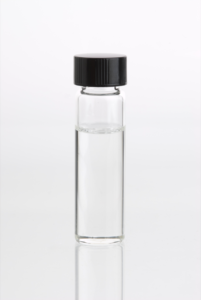 The researchers of a recent study caution about the regular use of lavender and tea tree essential oils (e.g. in lotions or soaps) - that the oils may act as endocrine disruptors (chemicals that disrupt hormones and their actions in the body).