Skip to content

For those who need convincing that lifestyle can contribute to development of cancer or its prevention, new medical research has once again supported the importance of lifestyle choices. A report from Australian researchers (with similar findings as a study in the US) stated: an estimated 38% of cancer deaths and 33% of cancer diagnoses could have been prevented with healthy lifestyle choices.

And what were the lifestyle choices that are linked to cancer?  The researchers list 20 separate things (in 8 broad groups) that are known to cause or are linked to cancer. They are: tobacco smoke (smoking or second-hand smoke), dietary factors (low-intake of fruit, non-starchy vegetables, and dietary fiber; and high intake of red and processed meat), overweight/obesity, alcohol, physical inactivity, solar ultraviolet radiation, certain infections (they list 7 infections, such as human papillomavirus, hepatitis B, hepatitis C), and reproductive factors (lack of breastfeeding, menopausal hormone therapy use, combined oral contraceptive use). Note that they found that the #1 most important lifestyle factor is tobacco smoke - and it accounted for about 23% of all preventable cancer deaths in Australia. From Medscape:

One Third of Cancer Deaths Could Be Prevented by Lifestyle

As we head into the festive season, many are looking forward to the tradition of "Eat, drink, and be merry." But as another research paper shows that more than a third of cancer deaths could be prevented by lifestyle, maybe a qualifier should be added:"celebration in moderation." The latest statistics come from Australia, where researchers note that 44,004 cancer deaths occurred in 2013. But an estimated 38% of these deaths and 33% of cancer diagnoses could have been prevented with healthy lifestyle choices, says a research team led by Louise Wilson, MEpi, at the QIMR Berghofer Medical Research Institute and the University of Queensland, Brisbane.

These cancer diagnoses and deaths were seen in Australians of all ages and are directly attributable to 20 known modifiable risk factors within eight categories that are established causes of cancer, the study authors say. The report is published in the February 2018 issue of the International Journal of Cancer.

Smoking was the leading cause of preventable cancer death in Australia in 2013 and accounted for 23% of all cancer deaths. ...Three other categories of modifiable risk factors — poor diet, overweight/obesity, and infections — accounted for 5% of cancer deaths each. In a fifth category, alcohol-related cancer accounted for 2.4% of deaths. Physical inactivity factors were responsible for 0.8% of cancer deaths, overexposure to ultraviolet radiation for 3.2% of cancer deaths, and, in the eighth category, reproductive or hormonal factors were linked to 0.4% of cancer deaths.

In the diet category, risk factors include low intake of fruit, nonstarchy vegetables, and dietary fiber and high intake of red and processed meat. In the infection category, seven cancer-causing agents, including human papillomavirus (associated with cancer of the vulva, vagina, penis, anus, oral cavity, and oropharynx) and Helicobacter pylori (noncardia stomach cancer), are included. Lack of breastfeeding, use of menopausal hormone therapy, and use of combined oral contraceptive use (breast and cervical cancer) are listed as preventable risk factors in the reproductive category.

These findings are in keeping with other research on the role of modifiable lifestyle-related risk factors in cancer prevention. As previously reported by Medscape Medical News, results from a large cohort study in the United States led researchers to conclude that 20% to 40% of cancer cases and related mortality could be prevented by not smoking, maintaining a healthy weight, and exercising regularly. In another report, results from a national online survey undertaken by the American Society of Clinical Oncology showed that, like their Australian counterparts, most US adults don't know alcohol and obesity are major risk factors for cancer[Original study.]

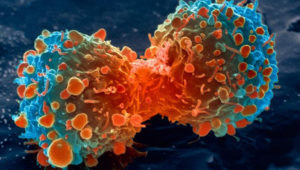
A dividing lung cancer cell. Lung cancer is associated with smoking. Credit: National Institute of Health (NIH). 


The message is clear from a recent study: older adults should get out and move, move , move (brisk walking is fine) - to lower the risk of early death. The older women engaging in the most moderate to vigorous activity had a 65% lower risk of early death during an average follow-up period of 2.3 years (when compared to the women with the least exercise).

How much exercise did the groups get? The least active had 6.8 minutes per day of moderate to vigorous exercise, and the most active had about 68 minutes/day of moderate to vigorous physical activity. The women wore a Fitbit type of device (an accelerometer) that measured their movements. Moderate to vigorous exercise was any movement that got the heart rate up a bit, made them sweat a little - and which could be brisk walking.

The study was done with older women (in their 70s), but one would think it also applies to men. Note: all-cause mortality means death from any cause (death in general). From Medscape:

Intense Exercise Tied to 65% Lower Death Risk in Older Women

Older women who engaged in the greatest amount of moderate to vigorous physical activity, such as brisk walking, were found to have a 65% lower risk of all-cause mortality compared with women who performed the least amount of such exercise, a new study reports. The researchers examined women in their early 70s in the Women's Health Study (WHS) who wore a triaxial accelerometer for 7 days to measure physical activity. The findings, by Dr I-Min Lee (Brigham and Women's Hospital, Boston, MA) and colleagues, were published November 6, 2017 in Circulation.

It's been known for a long time that physical activity is associated with lower mortality rates, Dr Lee told theheart.org | Medscape Cardiology.... Now that physical activity can be better measured using a research-grade triaxial accelerometer, the magnitude of the reduced risk of short-term death with recommended amounts of moderate to vigorous physical activity can be seen to be as strong as not smoking, Lee said. ... This study "reinforces the message that adults should strive to meet physical activity guidelines of 150 minutes of moderate or 75 minutes of vigorous exercise per week," Dr Alpa Patel (American Cancer Society, Atlanta, Georgia) who recently published a related article that showed benefits from walking told theheart.org | Medscape Cardiology.

From 2011 to 2015, 18,289 of 29,494 living women (63%) in the Women's Health Study agreed to participate in the current study.... The remaining 17,708 women were mailed a research-grade triaxial accelerometer (ActiGraph GT3X+, ActiGraph Corp) and asked to wear it on their hips for 7 days (but to take it off when sleeping or swimming) and then mail it back. 

The women spent a median of 8.4, 5.8, and 0.5 hours/day being sedentary, doing light physical activity, and doing moderate to vigorous physical activity, respectively. "The least active quartile were doing 8 minutes a day of moderate to vigorous . . . physical activity," Lee said, which was typically "brisk walking, anything that gets your heart rate up a little bit, gets you to sweat a little bit." The most active quartile did about 68 minutes/day of moderate to vigorous physical activity. During an average follow-up of 2.3 years, 207 women died. The total amount of physical activity was inversely related to the risk of all-cause mortality during follow-up, after adjustment for age and time spent wearing the device. 

Two studies (one in mice and one in humans) by researchers at the University of Illinois found that no matter what your diet - exercise changes the gut bacteria in a beneficial way. And when you go back to a sedentary lifestyle, your gut microbes change again and beneficial microbes such as short chain fatty acids (SCFAs), especially butyrates, decline. The effect was more pronounced in lean sedentary adults (as compared to obese sedentary adults).

Beneficial microbes that increased with exercise in humans were species of Faecalibacterium, Roseburia, Lachnospira, Lachnospiraceae, and Clostridiales. Faecalibacterium prausnitzii has been discussed in earlier posts as a beneficial keystone species in the gut (here, here, and here).

What kind of exercises did they do? They did three supervised 30 to 60 minute moderate to vigorous intensity aerobic/endurance exercise sessions per week for 6 weeks, and they could use a cycle ergometer (stationary bicycle) or treadmill each session.

Besides beneficial microbial changes, 6 weeks of exercising resulted in improved body composition (total lean body mass, decreased body fat, increased bone mineral density), and an improvement in cardiorespiratory fitness. These changes reversed in everyone when they went back to 6 weeks of a sedentary lifestyle.

Bottom line: get out and move, move, move. Your gut microbes and your body will thank you.

From Science Daily: Exercise changes gut microbial composition independent of diet, team reports

Two studies -- one in mice and the other in human subjects -- offer the first definitive evidence that exercise alone can change the composition of microbes in the gut. The studies were designed to isolate exercise-induced changes from other factors -- such as diet or antibiotic use -- that might alter the intestinal microbiota.

In the first study, scientists transplanted fecal material from exercised and sedentary mice into the colons of sedentary germ-free mice, which had been raised in a sterile facility and had no microbiota of their own. In the second study, the team tracked changes in the composition of gut microbiota in human participants as they transitioned from a sedentary lifestyle to a more active one -- and back again.

Recipients of the exercised mouse microbiota also had a higher proportion of microbes that produce butyrate, a short-chain fatty acid that promotes healthy intestinal cells, reduces inflammation and generates energy for the host. They also appeared to be more resistant to experimental ulcerative colitis, an inflammatory bowel disease.

In the human study, the team recruited 18 lean and 14 obese sedentary adults, sampled their gut microbiomes, and started them on an exercise program during which they performed supervised cardiovascular exercise for 30-60 minutes three times a week for six weeks. The researchers sampled participants' gut microbiomes again at the end of the exercise program and after another six weeks of sedentary behavior. Participants maintained their usual diets throughout the course of the study. Fecal concentrations of SCFAs, in particular butyrate, went up in the human gut as a result of exercise. These levels declined again after the participants reverted to a sedentary lifestyle.

The most dramatic increases were seen in lean participants, who had significantly lower levels of SCFA-producing microbes in their guts to begin with. Obese participants saw only modest increases in the proportion of SCFA-producing microbes. The ratios of different microbes in the gut also differed between lean and obese participants at every stage of the study, the researchers said. "The bottom line is that there are clear differences in how the microbiome of somebody who is obese versus somebody who is lean responds to exercise," Woods said. " [Original study in humans.]

Interesting study results - being overweight (a higher body mass index or BMI) is linked to dementia more than 20 years later, but in the few years before dementia onset body mass index (BMI) is lower in those who develop dementia than in those who don't develop dementia. The researchers hypothesize that 2 processes are going on:  A higher BMI (overweight or obese) in mid-life is harmful (a direct effect), and then there is weight loss during the preclinical dementia phase. Bottom line: best is a normal weight in mid-life to try to prevent dementia later on in life. From Science Daily:

Obesity increases dementia risk

People who have a high body mass index (BMI) are more likely to develop dementia than those with a normal weight, according to a new UCL-led study. The study, published in the Alzheimer's & Dementia journal, analysed data from 1.3 million adults living in the United States and Europe. The researchers also found that people near dementia onset, who then go on to develop dementia, tend to have lower body weight than their dementia-free counterparts.

"The BMI-dementia association observed in longitudinal population studies, such as ours, is actually attributable to two processes," said lead author of the study, Professor Mika Kivimäki (UCL Institute of Epidemiology & Health). "One is an adverse effect of excess body fat on dementia risk. The other is weight loss due to pre-clinical dementia. For this reason, people who develop dementia may have a higher-than-average body mass index some 20 years before dementia onset, but close to overt dementia have a lower BMI than those who remain healthy."

In this study, researchers from across Europe pooled individual-level data from 39 longitudinal population studies from the United States, the United Kingdom, France, Sweden, and Finland. A total of 1,349,857 dementia-free adults participated in these studies and their weight and height were assessed. Dementia was ascertained using linkage to electronic health records obtained from hospitalisation, prescribed medication and death registries.

A total of 6,894 participants developed dementia during up to 38 years of follow-up. Two decades before symptomatic dementia, higher BMI predicted dementia occurrence: each 5-unit increase in BMI was associated with a 16-33% higher risk of this condition (5 BMI units is 14.5 kg for a person 5'7" (170 cm) tall, approximately the difference in weight between the overweight and normal weight categories or between the obese and overweight categories). In contrast, the mean level of BMI during pre-clinical stage close to dementia onset was lower compared to that in participants who remained healthy. [Original study.]

Great news coffee drinkers! Another study - this time a large analysis of over 200 studies found that coffee consumption is linked to many health benefits. The best results were from drinking 3 to 4 cups of coffee daily (as compared to none), with a reduction in "all cause" mortality (death from any cause), and cardiovascular disease and death.

They also found a lower risk of cancer in general, and with a lower risk of several specific cancers (endometrial, prostate, melanoma, non-melanoma skin cancer, liver cancer) and neurological (Parkinson's disease, Alzheimer's disease, and depression), metabolic (including type 2 diabetes, metabolic syndrome), and liver conditions.

However, during pregnancy high coffee consumption (as compared to low or no consumption) was associated with low birth weight, preterm birth in the first and second trimester, and pregnancy loss. The researchers also found an association between coffee drinking and a small risk of fracture in women, but not in men. Decaffeinated coffee seemed to have many of the same benefits as caffeinated coffee - especially at 2 to 4 cups a day.

[UPDATE: A 2020 review of studies found that ingesting caffeine during pregnancy is linked to health problems and that there is no safe level during pregnancy. In other words,  caffeine and caffeinated beverages should be avoided during pregnancy and when trying to conceive.]

Excerpts from Science Daily:

Three to four cups of coffee a day linked to longer life

Drinking coffee is "more likely to benefit health than to harm it" for a range of health outcomes, say researchers in The BMJ today. They bring together evidence from over 200 studies and find that drinking three to four cups of coffee a day is associated with a lower risk of death and getting heart disease compared with drinking no coffee. Coffee drinking is also associated with lower risk of some cancers, diabetes, liver disease and dementia. However, they say drinking coffee in pregnancy may be associated with harms, and may be linked to a very small increased risk of fracture in women.

The included studies used mainly observational data, providing lower quality evidence, so no firm conclusions can be drawn about cause and effect, but their findings back up other recent reviews and studies of coffee intake. As such, they say, excluding pregnancy and women at risk of fracture, "coffee drinking appears safe within usual patterns of consumption" and they suggest that coffee could be safely tested in randomised trials.

To better understand the effects of coffee consumption on health, a team led by Dr Robin Poole, Specialist Registrar in Public Health at the University of Southampton, with collaborators from the University of Edinburgh, carried out an umbrella review of 201 studies that had aggregated data from observational research and 17 studies that had aggregated data from clinical trials across all countries and all settings. (Original study.)

1

There are health benefits to having a dog, based on results from studies and testimonials from dog owners. Now a study of millions of Swedes found  that dog ownership is associated with a lower risk of cardiovascular disease (CVD) in single-person households and a lower risk of death from cardiovascular or other causes ("all cause mortality") in general. Owning a hunting dog breed had the strongest association with cardiovascular health. Some of these health benefits are due to dogs providing companionship, affection, and increased physical activity (all those walks) of their owners. And of course there's sharing of microbes. From Science Daily:

Dog ownership linked to lower mortality rate

A team of Swedish scientists have used national registries of more than 3.4 million Swedes aged 40 to 80 to study the association between dog ownership and cardiovascular health. Their study shows that dog owners had a lower risk of death due to cardiovascular disease or to other causes during the 12-year follow-upA total of more than 3.4 million individuals without any prior cardiovascular disease in 2001 were included in the researchers' study linking together seven different national data sources, including two dog ownership registers. 

"A very interesting finding in our study was that dog ownership was especially prominent as a protective factor in persons living alone, which is a group reported previously to be at higher risk of cardiovascular disease and death than those living in a multi-person household. Perhaps a dog may stand in as an important family member in the single households. The results showed that single dog owners had a 33 percent reduction in risk of death and 11 percent reduction in risk of cardiovascular disease during follow-up compared to single non-owners. Another interesting finding was that owners to dogs from breed groups originally bred for hunting were most protected," says Mwenya Mubanga, lead junior author of the study and PhD student at the Department of Medical Sciences and the Science for Life Laboratory, Uppsala University.

"These kind of epidemiological studies look for associations in large populations but do not provide answers on whether and how dogs could protect from cardiovascular disease. We know that dog owners in general have a higher level of physical activity, which could be one explanation to the observed results. Other explanations include an increased well-being and social contacts or effects of the dog on the bacterial microbiome in the owner," says Tove Fall, senior author of the study and Associate Professor in Epidemiology at the Department of Medical Sciences and the Science for Life Laboratory, Uppsala University. "There might also be differences between owners and non-owners already before buying a dog, which could have influenced our results, such as those people choosing to get a dog tending to be more active and of better health." [Original study.]

Air pollution is linked to so many negative health effects, now another one - poorer quality sperm. In this study 6475 males  (ages ranged from 15–49 years) had their sperm analyzed as part of a standard medical examination program in Taiwan. They were also able to get air pollution measurements for each person's address for that time period. They found that both short-term and long-term exposure to higher levels of fine particulate matter (PM2.5) pollution were linked to lower numbers of sperm being normal in size and shape (sperm morphology), but with a higher concentration of sperm. Perhaps a  compensatory phenomenon?

The researchers pointed out that other studies have also found effects from air pollution on sperm. Since this study only analyzed a person's sperm one time, the findings are correlational (they observed an association, but couldn't definitely say it caused the effect). [Some other posts on sperm qualityhere, here, here.] From Medical Xpress:

Air pollution linked to poorer quality sperm

Air pollution, particularly levels of fine particulate matter (PM2.5), is associated with poorer quality sperm, suggests research published online in Occupational & Environmental Medicine. Although the size of the effect is relatively small in clinical terms, given how widespread air pollution is, this might spell infertility for a "significant number of couples," say the researchers.

Environmental exposure to chemicals is thought to be a potential factor in worsening sperm quality, but the jury is still out on whether air pollution might also have a role. To explore this possibility further, the international team of researchers looked at the impact on health of short and long term exposure to fine particulate matter (PM2.5) among nearly 6500 15 to 49 year old men in Taiwan.

The men were all taking part in a standard medical examination programme between 2001 and 2014, during which their sperm quality was assessed (total numbers, shape/size, movement) as set out by World Health Organization guidelines. PM2.5 levels were estimated for each man's home address for a period of three months, as that is how long it takes for sperm to be generated, and for an average of 2 years, using a new mathematical approach combined with NASA satellite data.

A strong association between PM2.5 exposure and abnormal sperm shape was found. Every 5 ug/m3 increase in fine particulate matter across the 2 year average was associated with a significant drop in normal sperm shape/size of 1.29 per cent. And it was associated with a 26 per cent heightened risk of being in the bottom 10 per cent of normal sperm size and shape, after taking account of potentially influential factors, such as smoking and drinking, age or overweight. However, it was also associated with a significant increase in sperm numbers, possibly as a compensatory mechanism to combat the detrimental effects on shape and size, suggest the researchers. Similar findings were evident after three months of exposure to PM2.5. [Original study.]

It's reassuring to see that there are positive things one can do to maintain brain health as one ages. With normal aging, the brain typically shrinks a little with each passing decade  - starting from about the age of 40. But one recent Australian study, which reviewed the results of many other studies, found that exercise slows down this shrinkage in humans, specifically in the left hippocampus. That is, that aerobic exercise had a significant positive effect on the volume of the left hippocampus. This matches the result of animal studies.

The researchers pointed out that some studies found increases also in other parts of the human brain from exercise (e.g. in the white matter), but that they did not look at and review those studies. [See posts on research.] The good news is that positive effects were from exercise programs generally lasting less than 12 months. But it is unknown which type of exercise is best, or whether it is general "activity level and movement" that is most important. Bottom line: Get out there and move, move, move for brain health. And for cardiorespiratory fitness. It's all linked and it's all good. From Medical Xpress:

Exercise maintains brain size, new research finds

Aerobic exercise can improve memory function and maintain brain health as we age, a new Australian-led study has found. In a first of its kind international collaboration, researchers from Australia's National Institute of Complementary Medicine at Western Sydney University and the Division of Psychology and Mental Health at the University of Manchester in the UK examined the effects of aerobic exercise on a region of the brain called the hippocampus, which is critical for memory and other brain functions.

Brain health decreases with age, with the average brain shrinking by approximately five per cent per decade after the age of 40. Studies in mice and rats have consistently shown that physical exercise increases the size of the hippocampus but until now evidence in humans has been inconsistent.

The researchers systematically reviewed 14 clinical trials which examined the brain scans of 737 people before and after aerobic exercise programs or in control conditions. The participants included a mix of healthy adults, people with mild cognitive impairment such as Alzheimer's and people with a clinical diagnosis of mental illness including depression and schizophrenia. Ages ranged from 24 to 76 years with an average age of 66. The researchers examined effects of aerobic exercise, including stationary cycling, walking, and treadmill running. The length of the interventions ranged from three to 24 months with a range of 2-5 sessions per week.

Overall, the results – published in the journal NeuroImage– showed that, while exercise had no effect on total hippocampal volume, it did significantly increase the size of the left region of the hippocampus in humans.

"When you exercise you produce a chemical called brain-derived neurotrophic factor (BDNF), which may help to prevent age-related decline by reducing the deterioration of the brain," Mr Firth said. "Our data showed that, rather than actually increasing the size of the hippocampus per se, the main 'brain benefits' are due to aerobic exercise slowing down the deterioration in brain size. In other words, exercise can be seen as a maintenance program for the brain.".... Interestingly, physical exercise is one of the very few 'proven' methods for maintaining brain size and functioning into older age.

A recent study looked at 2 specific antioxidant levels in a variety of mushroom species. Mushrooms are an excellent source of nutrients, such as riboflavin and other B vitamins, selenium, copper, potassium, dietary fiber, as well as high levels of antioxidants ergothioneine (ERGO) and glutathione (GSH). The study found the highest levels of these antioxidants in yellow oyster and porcini mushrooms.

Ergothioneine (ERGO), which is found throughout the human body, is a critical antioxidant that acts with other antioxidants to protect against oxidative stress in the mitochondria (in our cells). What foods are good sources of ERGO? Mushrooms have the highest levels, but other foods with high ERGO content include red beans, black beans, kidney beans, oat bran, liver, and king crab.

Glutathione (GSH) is produced by the body and found in every cell - thus the major antioxidant within cells. It also helps the liver remove chemicals (detoxification) of a wide range of toxins, drugs, pollutants, and carcinogens, and maintenance of immune functioning. Low GSH levels are associated with increased risks for cancer, cardiovascular diseases, arthritis and diabetes. So you want to maintain optimal tissue levels of GSH (through dietary intake) because it is so critical for maintaining health. What foods are good sources of GSH? Mushrooms, and many fresh (raw) fruits and vegetables, including asparagus, avocados, potatoes, spinach, squash, tomatoes. Also fresh, uncooked meats and dairy products (raw milk) and eggs. From Science Daily:

Mushrooms are full of antioxidants that may have antiaging potential

Mushrooms may contain unusually high amounts of two antioxidants that some scientists suggest could help fight aging and bolster health, according to a team of Penn State researchers. In a study, researchers found that mushrooms have high amounts of the ergothioneine and glutathione, both important antioxidants, said Robert Beelman, professor emeritus of food science and director of the Penn State Center for Plant and Mushroom Products for Health. He added that the researchers also found that the amounts the two compounds varied greatly between mushroom species.

Beelman said that when the body uses food to produce energy, it also causes oxidative stress because some free radicals are produced. Free radicals are oxygen atoms with unpaired electrons that cause damage to cells, proteins and even DNA as these highly reactive atoms travel through the body seeking to pair up with other electrons. Replenishing antioxidants in the body, then, may help protect against this oxidative stress.

According to the researchers, who report their findings in a recent issue of Food Chemistry, the amounts of ergothioneine and glutathione in mushrooms vary by species with the porcini species, a wild variety, containing the highest amount of the two compounds among the 13 species tested. The more common mushroom types, like the white button, had less of the antioxidants, but had higher amounts than most other foods, Beelman said....Mushrooms that are high in glutathione are also high in ergothioneine, for example. Cooking mushrooms does not seem to significantly affect the compounds, Beelman said.

"It's preliminary, but you can see that countries that have more ergothioneine in their diets, countries like France and Italy, also have lower incidents of neurodegenerative diseases, while people in countries like the United States, which has low amounts of ergothioneine in the diet, have a higher probability of diseases like Parkinson's Disease and Alzheimer's," said Beelman. "Now, whether that's just a correlation or causative, we don't know." [Original study.]

The following study was done in England, but the results should be taken seriously and may (probably) apply to the US also - painted and enameled glassware ("externally decorated glassware") may contain high levels of lead and cadmium. The researchers found that more than 70% of the products (52 out of 72) tested positive for lead, and the metal was found in all colors, including the decorated gold leaf of some items. A similar number (51 out of 72) tested positive for cadmium, with the highest concentrations usually encountered in red enamel.

They found this in products manufactured both in Europe and China - which is why I think the results apply to painted or decorated glassware in the USA also. It probably also applies to some (many?) painted ceramics. So beware!  If you use painted or enameled glassware, you are at increased risk for ingesting lead and cadmium, both of which are linked to health problems - especially for developing fetuses and children. The best safe level of each is zero. The researchers mention that there are newer alternatives that are safe (lead and cadmium free). From Science Daily:

Drinking glasses can contain potentially harmful levels of lead and cadmium

Enameled drinking glasses and popular merchandise can contain potentially toxic levels of lead and cadmium, a study has shown. Researchers at the University of Plymouth carried out 197 tests on 72 new and second-hand drinking glass products, including tumblers, beer and wine glasses, and jars.

They found lead present in 139 cases and cadmium in 134, both on the surface of the glasses and, in some cases, on the rims, with concentrations of lead sometimes more than 1000 times higher than the limit level. Tests showed that flakes of paint often came away from the glass under when simulating sustained use, indicating the substances could be ingested over a prolonged period.

The study, published in Science of the Total Environment, analysed a range of glassware using portable x-ray fluorescence (XRF) spectrometryMore than 70% of the products (52 out of 72) tested positive for lead, and the metal was found in all recorded colours, including the decorated gold leaf of some items. A similar number (51 out of 72) tested positive for cadmium, with the highest concentrations usually encountered in red enamel.

The lead concentrations ranged from about 40 to 400,000 parts per million (ppm), while quantities of cadmium ranged from about 300 to 70,000 ppm. According to the US Office of Environmental Health Hazard Assessment, the limit levels for the externally decorated lip area of drinking glass are 200 ppm and 800 ppm respectively.

In the research, Dr Turner highlights that the Federation of European Screen Printers Associations says organic inks are becoming more popular than metallic pigments because of environmental concerns, and that such inks were evident on a number of newly-purchased products which proved negative for lead and cadmium.

He also says that additional analyses confirmed that hazardous elements are also used to decorate a wider range of consumer glassware that has the potential to be in contact with food, including the exteriors of bottles for the storage of beer, wine or spirits, the external text and logos on egg cups, jugs and measuring cups, and the undersides of coasters and chopping boards. "Given that safer alternatives are available to the industry, the overall results of this study are both surprising and concerning," Dr Turner added. "Why are harmful or restricted elements still being employed so commonly to decorate contemporary glassware manufactured in China, the European Union and elsewhere? " [Original study.]