Skip to content

Earlier posts discussed research that showed that farm and animal (pets such as dogs) exposures in the first year of life is protective against allergies and asthma (lowers the risk of developing them). New research examined this further by looking at Amish and Hutterite groups - looking at not just "farm life", but whether children had much exposure to farm animals. The Amish have close exposure to farm animals (traditional farming methods), but the Hutterites don't (communal highly industrialized farming). Both groups studied had similar lifestyles (drank raw milk, breastfeeding, little exposure to smoking), but both groups did not have indoor pets ("taboos against indoor pets"). Thus farming methods were important for exposures to animals and their microbes.

The researchers said: "The importance of environmental exposures in the development of asthma is most exquisitely illustrated by epidemiologic studies conducted in Central Europe that show significant protection from asthma and allergic disease in children raised on traditional dairy farms. In particular, children’s contact with farm animals and the associated high microbial exposures4,5have been related to the reduced risk." Traditional farming exposed the children to an environment rich in microbes, and these children had very low rates of asthma and "distinct immune profiles that suggest profound effects on innate immunity." Once again, note the importance of microbes in the development of the immune system. From Science Daily:

Growing up on an Amish farm protects children against asthma by reprogramming immune cells

By probing the differences between two farming communities -- the Amish of Indiana and the Hutterites of South Dakota -- an interdisciplinary team of researchers found that specific aspects of the Amish environment are associated with changes to immune cells that appear to protect children from developing asthma. In the Aug. 4, 2016, issue of The New England Journal of Medicine, the researchers showed that substances in the house dust from Amish, but not Hutterite, homes were able to engage and shape the innate immune system (the body's front-line response to most microbes) in young Amish children in ways that may suppress pathologic responses leading to allergic asthma.

The Amish and Hutterite farming communities in the United States, founded by immigrants from Central Europe in the 18th and 19th centuries, respectively, provide textbook opportunities for such comparative studies. The Amish and the Hutterites have similar genetic ancestry. They share similar lifestyles and customs, such as no television and a Germanic farming diet. They have large families, get childhood vaccinations, breastfeed their children, drink raw milk and don't allow indoor pets.

The communities, however, are distinct in two important ways. Although both groups depend on agriculture, their farming practices differ. The Amish have retained traditional methods. They live on single-family dairy farms and rely on horses for fieldwork and transportation. In contrast, the Hutterites live on large communal farms. They use modern, industrialized farm machinery. This distances young Hutterite children from the constant daily exposure to farm animals. The other striking difference is what Ober calls a "whopping disparity in asthma." About 5 percent of Amish schoolchildren aged 6 to 14 have asthma. This is about half of the U.S. average (10.3%) for children aged 5 to 14, and one-fourth of the prevalence (21.3%) among Hutterite children.

To understand this disparity, the researchers studied 30 Amish children 7 to 14 years old, and 30 age-matched Hutterite children. They scrutinized the children's genetic profiles, which confirmed the remarkable similarities between Amish and Hutterite children. They compared the types of immune cells in the children's blood, collected airborne dust from Amish and Hutterite homes and measured the microbial load in homes in both communities.

The first gee-whiz moment came from the blood studies. These revealed startling differences between the innate immune response from the Amish and Hutterites. "The Amish had more and younger neutrophils, blood cells crucial to fight infections, and fewer eosinophils, blood cells that promote allergic inflammation," said study co-author, immunologist Anne Sperling, PhD, associate professor of medicine at the University of Chicago. Gene expression profiles in blood cells also revealed enhanced activation of key innate immunity genes in Amish children.

The second eureka moment came from experiments using mice. When study co-author, immunologist Donata Vercelli, MD, professor of cellular and molecular medicine and associate director of the Asthma and Airway Disease Research Center at the University of Arizona, exposed mice to house-dust extracts, she found the airways of mice that received Amish dust were protected from asthma-like responses to allergens. In contrast, mice exposed to Hutterite house dust were not protected.

What was different? Dust collected from Amish homes was "much richer in microbial products," the authors note, than dust from Hutterite homes. "Neither the Amish nor the Hutterites have dirty homes," Ober explained. "Both are tidy. The Amish barns, however, are much closer to their homes. Their children run in and out of them, often barefoot, all day long. There's no obvious dirt in the Amish homes, no lapse of cleanliness. It's just in the air, and in the dust."

To better understand how asthma protection was achieved, the researchers used mice that lack MyD88 and Trif, genes crucial for innate immune responses. In these mice, the protective effect of the Amish dust was completely lost. "The results of the mouse experiments conclusively prove that products from the Amish environment are sufficient to confer protection from asthma, and highlight the novel, central role that innate immunity plays in directing this process," Vercelli said.

 Some people have nasal bacteria - Staphylococcus lugdunensis, that kills other disease causing bacteria such as Staphylococcus aureus (including strains of MRSA) and Enterococcus. This is because S. lugdunensis produces a molecule (lugdunin) that acts as an antibiotic. It is thought that 10% of people naturally carry S. lugdunensis in their nasal passages. Will this lead to a new class of antibiotics or to probiotics of the future? Could it help in treating sinusitis? Stay tuned... From Science News:
The nose knows how to fight staph

The human nose harbors not only a deadly enemy — Staphylococcus aureus — but also its natural foe. Scientists have now isolated a compound from that foe that might combat MRSA, the methicillin-resistant strain of S. aureus....Investigating the intense interspecies competition in the nose — where microbes fight for space and access to scant sugars and amino acids — might offer a fertile alternative to searching for new drug candidates in soil microbes.

Despite being a relatively nutrient-poor environment, the human nose is home to more than 50 species of bacteria. One of these is S. aureus, a dominant cause of hospital-acquired infections such as MRSA, as well as infections of the blood and heart. But there’s a huge variability in the nasal microbe scene between individuals: while S. aureus is present in the nasal passages of roughly 30 percent of people, the other 70 percent don’t have any sign of it.

Trying to explain this difference led Peschel and colleagues to study “the ecology of the nose.” They suspected that other nasal inhabitants, well-tuned to compete in that harsh niche, might be blocking S. aureus from colonizing the nose in those who don’t carry it. From nasal secretion samples, the team isolated 90 strains of different Staphylococcus species. Of these, one bacterium, S. lugdunensis, killed S. aureus when the two were grown together in a dish. Introducing a variety of mutations into S. lugdunensis produced a strain that didn’t kill. The missing gene, the team showed, normally produced an antibiotic, which the researchers named lugdunin; it represents the first example of a new class of antibiotic.

Lugdunin was able to fend off MRSA as well as a strain of Enterococcus resistant to the antibiotic vancomycin. Neither bacteria developed resistance. The team also pitted S. lugdunensis against S. aureus in test tube and mouse studies, with S. lugdunensis besting S. aureus. Only 5.9 percent of 187 hospital patients had S. aureus in their noses if they also carried S. lugdunensis, the team found, while S. aureus was present in 34.7 percent of those without S. lugdunensis. Peschel and colleagues also reported the results July 28 in Nature.

Lugdunin cleared up a staph skin infection in mice, but it’s unclear how the compound works. Researchers could not rule out that it damages the cell membrane, which could limit its use in humans to a topical antibiotic. Peschel and coauthor Bernhard Krismer also suggest that the bacterium itself might be a good probiotic, applied nasally, to fend off staph infections in vulnerable hospital patients.  (The original study and accompanying Commentary)

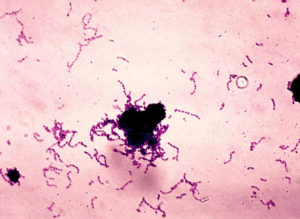
 A compound secreted by the nose-dwelling bacterium Staphylococcus lugdunensis may fight antibiotic-resistant strains of bacteria such as MRSA (pink). CREDIT: NIAID, NIH/WIKIMEDIA COMMONS

Research shows that Streptococcus mutans, the bacteria that is a main cause of tooth decay or dental caries, is passed from mother to child, and also between nonrelative children. Any interaction that involves saliva, like sharing an ice cream cone or drinking from the same cup or straw as another child, can cause the microbes to be transferred. From Medical Xpress:
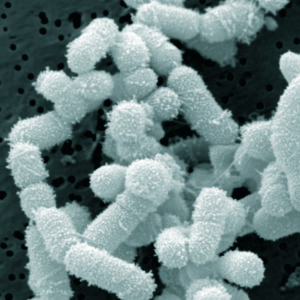
Research shows sharing of cavity-causing bacteria may not be only from mothers to children

New ongoing research from the University of Alabama at Birmingham Department of Biology and School of Dentistry is showing more evidence that children may receive oral microbes from other, nonrelative children. It was previously believed that these microbes were passed primarily from mother to child, but in a recent study presented at the American Society for Microbiology MICROBE 2016 Meeting in Boston, researchers found that 72 percent of children harbored at least one strain of the cavity-causing Streptococcus mutans not found in any cohabiting family members.

S. mutans is a bacterium that feeds on fermentable carbohydrates, in particular sucrose, that are frequently consumed by humans. After meals, S. mutans produces enamel-eroding acids, which makes S. mutans one of the main causes of tooth decay, or dental caries, in humans.

One hundred nineteen African-American children ages 12-18 months and 5-6 years who lived with at least one family member were a part of the study. The researchers collected samples from children periodically over the course of eight years. Momeni says that dental caries are more prevalent in minorities and low-socioeconomic groups.

"The literature tells us that we usually get this bacterium from our mothers," Momeni said. "This is because we most commonly have more interaction with our mothers when we are very young. However, our data supports that children who interact with other children at school or in nurseries can, and frequently do, contract this bacteria from each other." Momeni says any interaction that involves saliva, like sharing an ice cream cone or drinking after another child from the same cup or straw, can cause the microbes to be transferred.

Forty percent of the children in the study did not share any S. mutans strains with their mothers, and close to 20 percent of children shared these bacteria only with another child who lived in the household, such as a sibling or cousin. It is important to note that, for the strains of S. mutans not shared with anyone in the same household, approximately a third of the children had only a single isolate for a genotype, which could mean these rare strains may have nothing to do with the dental caries, and may be confounding the search for strains associated with the disease.

An interesting study that compared bacterial communities between healthy children and those that have a history of acute sinusitis (but not chronic sinusitis). The study specifically looked at the nasopharyngeal (NP)  microbiome (community of microbes) over the course of one year in the 2 groups of children, who were between the ages of 4 and 7. Nasopharyngeal pertains to the nose or nasal cavity and pharynx. They used modern methods of genetic analysis to test for bacterial species - and found a total of 951 species among the 47 children, of which 308 species had some "depletion" among those children with a history of sinusitis, and one species was increased in "abundance".

NP samples from children with a prior history of acute sinusitis were characterized by significant depletion of bacterial species, including those in the Akkermansia, Faecalibacterium prausnitzii, Clostridium, Lactobacillus, Prevotella, and Streptococcus species. But there was a siignificant increase "in relative abundance" in the bacterial species Moraxella nonliquefaciens. Once again, a study shows bacterial communities to be "out of whack" in those who've had sinusitis - this time in children. And the diminished diversity was linked to more frequent upper respiratory illnesses. The researchers mention the "possibility that the manipulation of the airway microbiota" could help prevent childhood respiratory diseases. Research by C.A. Santee et al from the Microbiome journal at BioMed Central:

Nasopharyngeal microbiota composition of children is related to the frequency of upper respiratory infection and acute sinusitis

Upper respiratory infections (URI) and their complications are a major healthcare burden for pediatric populations. Although the microbiology of the nasopharynx is an important determinant of the complications of URI, little is known of the nasopharyngeal (NP) microbiota of children, the factors that affect its composition, and its precise relationship with URI.

Healthy children (n = 47) aged 49–84 months from a prospective cohort study based in Wisconsin, USA, were examined. Demographic and clinical data and NP swab samples were obtained from participants upon entry to the study. All NP samples were profiled for bacterial microbiota using a phylogenetic microarray, and these data were related to demographic characteristics and upper respiratory health outcomes. The composition of the NP bacterial community of children was significantly related prior to the history of acute sinusitisHistory of acute sinusitis was associated with significant depletion in relative abundance of taxa including Faecalibacterium prausnitzii and Akkermansia spp. and enrichment of Moraxella nonliquefaciens. Enrichment of M. nonliquefaciens was also a characteristic of baseline NP samples of children who subsequently developed acute sinusitis over the 1-year study period. Time to develop URI was significantly positively correlated with NP diversity, and children who experienced more frequent URIs exhibited significantly diminished NP microbiota diversity (P ≤ 0.05). 

These preliminary data suggest that previous history of acute sinusitis influences the composition of the NP microbiota, characterized by a depletion in relative abundance of specific taxa. Diminished diversity was associated with more frequent URIs

....These observations indicate that the composition of the pediatric upper airway represents a critical factor that may either potentiate or protect against infection by respiratory pathogens. They also indicate that the interplay between the bacterial microbiota and respiratory pathogens associated with upper airway infection is important to consider.Both bacteria and viruses can influence each other’s pathogenicity [8] and a number of interactions between specific viruses and bacterial species have been reported in the airways [910]. For example, human rhinovirus infection was found to significantly increase the binding of Staphylococcus aureus, S. pneumoniae, or H. influenzae to primary human nasal epithelial cells [11]....

A total of 951 taxa were identified in baseline NP microbiota of participants (n = 47) in our cohort. These bacterial communities were variably composed of members of the Rickenellaceae, Lachnospiraceae, Verrucomicrobiaceae, Pseudomonadaceae, and Moraxellaceae as well as multiple unclassified members of the phylum Proteobacteria. .... Our study used independent NP samples collected from individual participants over a 12-month study period that spanned all four seasons. Season of sample collection also demonstrated a relationship with bacterial beta-diversity.

Compared with children who had no history of acute sinusitis (n = 33), those with a past history of acute sinusitis (n = 14) did not exhibit differences in α-diversity indices, suggesting that differences in microbiota characterizing these groups may be due to the enrichment or depletion of a subset of taxa within these bacterial communities. A total of 309 taxa (representing 101 genera) exhibited significant differences in relative abundance between children with and without a history of acute sinusitis. NP samples from children with a prior history of acute sinusitis were characterized by significant depletion of 308 of the 309 taxa, including those represented by Akkermansia, Faecalibacterium prausnitzii, Clostridium, Lactobacillus, Prevotella, and Streptococcus species. The only taxon that exhibited a significant increase in relative abundance in these subjects was represented by Moraxella nonliquefaciens. 

Children who experienced at least one URI (n = 17) within 60 days of collection of the baseline sample had significantly lower phylogenetic diversity compared to those who had no URIs within that time frame (n = 23). Time to development of URI, defined as the number of days between the collection of the baseline sample and the first incidence of URI (a value of 365 days was assigned to those children who did not experience a URI during the year of monitoring), was also significantly correlated with phylogenetic diversity .... Hence, these data indicate that diminished diversity of the NP microbiota is a precursor to URI in these children.  

In addition to Moraxella, a Corynebacterium was enriched in relative abundance in the NP microbiota of children who experienced acute sinusitis subsequent to baseline sample collection during the study period. ... However, Abreu et al. previously found Corynebacterium tuberculostearicum to be significantly enriched in the maxillary sinuses of adults with chronic rhinosinusitis compared to healthy control subjects [17]. The authors subsequently confirmed the ability of C. tuberculostearicum to induce acute sinusitis in the context of an antimicrobial-depleted murine model of sinus infection. Moreover co-installation of Lactobacillus sakei (one of a number of taxa acutely depleted in relative abundance among chronic rhinosinusitis patients) protected animals against C. tuberculostearicum infection [17]. Our pediatric data exhibits similarity with these murine studies, in that six members of the Lactobacillus genus were among those taxa most significantly depleted in relative abundance in the NP bacterial communities of children who developed sinusitis during our study. Five of these same taxa were also depleted in relative abundance in the NP microbial communities of children with a prior history of sinusitis. 

In addition to Lactobacillus, many other bacterial taxa including Akkermansia, Faecalibacterium prausnitzii, Clostridium, Prevotella, and Streptococcus species were depleted in relative abundance among children with a prior history of acute sinusitis. Though traditionally associated with gut microbiota, anaerobic bacterial species can exist in biofilms in the upper respiratory tract [18] and Akkermansia  and Faecalibacterium have previously been detected in the nasopharynx of children [1920]. While its role in the airway is unknown, gastrointestinal Akkermansia muciniphilia metabolizes mucin and has been shown to activate immune homeostasis, increasing host expression of antimicrobial peptides such as RegIIIγand improving barrier function via an increase in 2-oleoylgylcercerol [212223]. However, whether such mechanisms play a role at the airway mucosal surface remains to be determined. 

Mechanisms by which Lactobacillus and other bacterial species depleted in the NP microbiota of sinusitis patients may prevent the development of disease include competitive exclusion of pathogenic species. A previous murine study indicated that intra-nasal inoculation of mice with L. fermentum decreased S. pneumoniae burden throughout the respiratory tract and increased the number of activated macrophages in the lung and lymphocytes in the tracheal lamina propria [24]. Hence, it is plausible that the absence of NP genera with known competitive exclusion and immunomodulatory capabilities leads to pathogen expansion and associated clinical manifestations of upper airway infection. 

....We do show that a history of sinusitis, its pathophysiology or treatment, may shape the NP microbiota—which may inform future studies and their design. Additionally, though we recognize that the composition of the microbiota in the upper airways is likely highly influenced by antibiotic administration .... The pervasive effects of antimicrobials on the human microbiota are well-described [2627], and it is likely that lifetime antibiotic use plays an important role in shaping the baseline NP microbial community

The composition of the NP microbiota in healthy children between 49 and 84 months of age is associated with past and subsequent history of acute sinusitis and frequency of URI. Widespread bacterial taxon depletion and enrichment of M. liquefaciens and C. tuberculostearicum are associated with upper airway infection and the development of acute sinusitis. Collectively, these findings provide evidence of close connections between microbial colonization of the airways and susceptibility to upper respiratory illnesses in early childhood and raise the possibility that the manipulation of the airway microbiota could be applied to the prevention of childhood respiratory illnesses. 

Another view of  type 2 diabetes - that the gut microbiome is involved, specifically two gut bacteria: Prevotella copri and Bacteroides vulgatus. View them as the bad guys. The researchers point out "... the majority of overweight and obese individuals are insulin resistant and it is well known that dietary shifts to less calorie-dense eating and increased daily intake of any kind of vegetables and less intake of food rich in animal fat tend to normalize imbalances of gut microbiota and simultaneously improve insulin sensitivity of the host." In other words, eat more vegetables and fewer calories (if you're overweight or obese) to improve the gut microbes. This is similar to yesterday's post of research that viewed type 2 diabetes as "a response to overnutrition" and potentially reversible. From Medical Express:
Gut bacteria imbalance increases diabetes risk

Currently, scientists think the major contributors to insulin resistance are excess weight and physical inactivity, yet ground-breaking new research by an EU funded European-Chinese team of investigators called MetaHit have discovered that specific imbalances in the gut bacteria can cause insulin resistance, which confers an increased risk of health disorders like type 2 diabetes.

We show that specific imbalances in the gut microbiota are essential contributors to insulin resistance, a forerunner state of widespread disorders like type 2 diabetes, hypertension and atherosclerotic cardiovascular diseases, which are in epidemic growth," says Professor Oluf Pedersen, Metabolism Center, University of Copenhagen, and senior lead author of the paper.

In the Danish study of 277 non-diabetic individuals and 75 type 2 diabetic patients, there was close collaboration between the University of Copenhagen and the Technical University of Denmark with extensive international participation from a team of investigators, who performed analyses of the action of the insulin hormone. They monitored the concentrations of more than 1200 metabolites in blood and did advanced DNA-based studies of hundreds of bacteria in the human intestinal tract to explore if certain imbalances in gut microbiota are involved in the causation of common metabolic and cardiovascular disorders.

The researchers observed that people who had a decreased capacity of insulin action, and therefore were insulin resistant, had elevated blood levels of a subgroup of amino acids called branched-chain amino acids (BCAAs). Importantly, the rise of BCAAs levels in blood was related to specific changes in the gut microbiota composition and function.

The main drivers behind the gut bacterial biosynthesis of BCAAs turned out to be the two bacteria Prevotella copri and Bacteroides vulgatus. To test mechanistically if gut bacteria were a true cause of insulin resistance, the researchers fed mice with the Prevotella copri bacteria for 3 weeks. Compared with sham fed mice the Prevotella copi fed mice developed increased blood levels of BCAAs, insulin resistance and intolerance to glucose.

"Most people with insulin resistance do not know that they have it. However, it is known that the majority of overweight and obese individuals are insulin resistant and it is well known that dietary shifts to less calorie-dense eating and increased daily intake of any kind of vegetables and less intake of food rich in animal fat tend to normalize imbalances of gut microbiota and simultaneously improve insulin sensitivity of the host," adds Pedersen. (Original study)

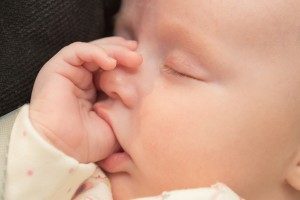
Newly published research found that children who are thumb-suckers or nail-biters are less likely to develop atopic sensitization or allergic sensitivities (as measured by positive skin-prick tests to common allergens). And, if they have both 'habits', they are even less likely to be allergic to such things as house dust mites, grass, cats, dogs, horses, wool, or airborne fungi. The finding emerges from a longitudinal study which followed the progress of 1,037 persons born in Dunedin, New Zealand in 1972-1973 from childhood into adulthood. However, the researchers found no relationship to these 2 habits to allergic asthma or "hay fever" - a contradictory finding that the researchers don't have an answer for.

"Our findings are consistent with the hygiene theory that early exposure to dirt or germs reduces the risk of developing allergies," said Professor Sears (one of the researchers).  The researchers were testing the idea that the common childhood habits of thumb-sucking and nail-biting would increase microbial exposures, affecting the immune system and reducing the development of allergic reactions also known as atopic sensitization. 31% of the children were frequent thumb suckers or nail biters.

Among all children at 13 years old, 45% showed atopic sensitization, but among those with no habits 49% had allergic sensitization; and those with one oral habit - 40% had allergic sensitization. Among those with both habits, only 31% had allergic sensitization. This trend continued into adulthood, and showed no difference depending on smoking in the household, ownership of cats or dogs; or exposure to house dust mites.

Excerpts of the study from Pediatrics: Thumb-Sucking, Nail-Biting, and Atopic Sensitization, Asthma, and Hay Fever

The hygiene hypothesis suggests that early-life exposure to microbial organisms reduces the risk of developing allergies. Thumb-sucking and nail-biting are common childhood habits that may increase microbial exposures. We tested the hypothesis that children who suck their thumbs or bite their nails have a lower risk of developing atopy, asthma, and hay fever in a population-based birth cohort followed to adulthood. Parents reported children’s thumb-sucking and nail-biting habits when their children were ages 5, 7, 9, and 11 years. Atopic sensitization was defined as a positive skin-prick test (≥2-mm weal) to ≥1 common allergen at 13 and 32 years. 

Thirty-one percent of children were frequent thumb-suckers or nail-biters at ≥1 of the ages. These children had a lower risk of atopic sensitization at age 13 years  and age 32 years. These associations persisted when adjusted for multiple confounding factors. Children who had both habits had a lower risk of atopic sensitization than those who had only 1. No associations were found for nail-biting, thumb-sucking, and asthma or hay fever at either age.

What This Study Adds: Children who sucked their thumbs or bit their nails between ages 5 and 11 years were less likely to have atopic sensitization at age 13. This reduced risk persisted until adulthood. There was no association with asthma or hay fever.

The “hygiene hypothesis” was suggested by Strachan1 to explain why children from larger families and those with older siblings are less likely to develop hay fever. Strahan hypothesized that this could be explained if “allergic diseases were prevented by infection in early childhood transmitted by unhygienic contact with older siblings, or acquired prenatally from a mother infected by contact with her older children.” The hypothesis is supported by evidence showing that children who grow up in large families are at greater risk of coming into contact with more infections....The hygiene hypothesis remains controversial, however, as it is unable to fully explain many associations, including the rise of allergies in “unhygienic” inner-city environments, and why probiotics are ineffective at preventing allergic diseases.3

Thumb-sucking and nail-biting are common oral habits among children, although the reported prevalence varies widely, from <1% to 25%.47 These habits have the potential to increase the exposure to environmental microorganisms, and have been associated with the oral carriage of Enterobacteriaceae, such as Escherichia coli and intestinal parasite infections.812 It seems likely that thumb-sucking and nail-biting would introduce a wide variety of microbes into the body, thus increasing the diversity of the child’s microbiome. If the hygiene hypothesis is correct, it is plausible that this would influence the risk for allergies.... 

Of 1013 children providing data, 317 (31%) had ≥1 oral habit: there was no significant sex difference in prevalence of these habits. Of the 724 children who had skin-prick tests at age 13 years, 328 (45%) showed atopic sensitization. The prevalence of sensitization was lower among children who had an oral habit (38%) compared with those who did not (49%) (P = .009). The lower risk of atopic sensitization was similar for thumb-sucking and nail-biting. Children with only 1 habit were less likely to be atopic (40%) than children with no habit at all (49%), but those with both habits had the lowest prevalence of sensitization (31%) .

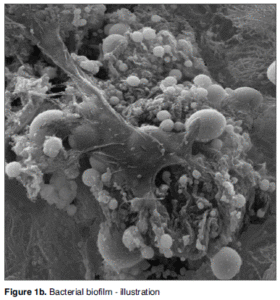
An interesting study (published in September 2015) looked at how prevalent biofilms are in the sinuses of people with chronic sinusitis (with or without nasal polyps) as compared to healthy people (without chronic sinusitis). Biofilms are communities of bacteria sticking to one another and coated with a protective slime. The researchers found that the most biofilms were found in people with chronic sinusitis who also had nasal polyps (97.1%) , followed by those with chronic sinusitis without nasal polyps (81.5%), and the least in the control group of healthy patients (56%). They felt that the biofilms contributed to or had a role in chronic sinusitis. But note that the majority of people in all groups had biofilms.

Unfortunately nowhere in the study was there an analysis of the bacteria making up the biofilms. Are the bacteria in the biofilms different in the healthy people versus those with chronic sinusitis? The general assumption is that biofilms are formed from pathogenic (bad) bacteria such as Staphylococcus aureus, but it is known that beneficial bacteria such as Lactobaccillus plantarum and Lactobacillus reuteri can also form biofilms. One study concluded that: "L. reuteri biofilms secreted factors that confer specific health benefits such as immunomodulation and pathogen inhibition." So what was in the biofilms of healthy people (without chronic sinusitis)? Were the biofilms in healthy sinuses made up of protective beneficial bacteria or pathogenic bacteria that were kept in check by other "beneficial" microbes (which can be bacteria, fungi, viruses, etc) in the sinus microbiome?

Biofilms are very hard to eradicate, even with antibiotics. The researchers mentioned that "To date many different modalities have been tested, from Manuka honey to ultrasound and surfactant, but none have been shown to be very efficient." However, they did not mention other bacteria (probiotics) as a treatment possibilty in eradicating biofilms in the sinuses. There has been research looking at using probiotics against biofilms elsewhere in the body (such as dental plaque on teeth).

If biofilms from pathogenic bacteria are so pervasive in chronic sinusitis (81.5% to 97.1%), then it appears that some bacteria such as Lactobacillus sakei somehow predominate over them. I am saying this based on the majority of people writing to me saying that L. sakei treated their chronic sinusitis, as well as the experiences of my own 4 family members (at least 3, perhaps all 4 of us probably had biofilms in our sinuses based on the 81.5% to 97.1% numbers in this research). Something to contemplate. From the journal Acta Oto-Laryngologica:

Bacterial biofilms in chronic rhinosinusitis; distribution and prevalence.

Biofilms were more prevalent in patients with CRSwNP [chronic rhinosinusitis with nasal polyps] compared to both CRSsNP [chronic rhinosinusitis without nasal polyps] and controls [healthy people], and also on the ethmoid bulla compared to the middle turbinate, supporting a biofilm-related pathogenesis of CRSwNP....This study comprised 27 patients with CRSsNP, 34 patients with CRSwNP, and 25 controls.

Chronic rhinosinusitis (CRS) is today understood as a multifaceted group of diseases. The most established differentiation is between CRS with nasal polyps (CRSwNP) and without nasal polyps (CRSsNP)....Patients with CRSwNP have the worst quality-of-life scores, and they have frequent recurrences of their symptoms after surgery.

The pathophysiology of nasal polyps is poorly understood. Bacterial infection, in the form of biofilms, is proposed as a major drive behind the inflammation in CRS. Bacterial biofilms is identified as the agent behind an ever increasing number of chronic infectious diseases, ranging from endocarditis to dental caries. Bacterial biofilms are communities of bacteria in their sessile form, and can be extremely difficult to eradicate with conventional antibiotic therapy.

The total number of patients in the CRS group was 61, 23 females and 38 males, and median age was 40 years....Bacterial biofilms were detected in 97.1% of patients with CRSwNP, 81.5% of patients with CRSsNP, and 56% of controls. Patients with CRSwNP had highly significantly increased prevalence of biofilms compared to controls....The prevalence of biofilms in different anatomical locations within the nasal cavity differed....Biofilms were detected in 79.6% of the samples from the ethmoid bulla, 70.9% of the samples from the uncinated process, and 62.0% of the samples from the middle turbinate.

In this study a significantly increased prevalence of biofilms were found in patients with CRSwNP compared to controls, but also compared to CRSsNP. Indeed only one of the patients with CRSwNP was biofilm negative. This indicates a role for biofilms in the pathogenesis of CRS, but specifically in CRSwNP.

The pathophysiological mechanisms underlying nasal polyps are still poorly understood. Biofilms are shown to be heterogeneous and can be composed of both bacteria and fungi. Staphylococcus Aureus feature prominently in most biofilms found in the sinonasal cavity, being isolated in 50% of the samples. and can possibly facilitate co-colonization with fungi....Bacteria in a biofilm are shown to have up to a 1000-fold increased resistance to antibiotics compared to planktonic bacteria. These features of biofilms make them notoriously hard to eradicate.... In the setting of CRS we have the opportunity of direct local treatment which gives us a greater range of potential treatment options. To date many different modalities have been tested, from Manuka honey to ultrasound and surfactant, but none have been shown to be very efficient....In regards to nasal polyps, further studies are needed to investigate why some patients with biofilms develop nasal polyps while others do not.

Biofilms thrive in moist areas without too much turbulence, conditions found deep in the middle meatus. This may also explain why there were a higher number of biofilm positive CRSwNP patients, as regular nasal polyps originate in the ethmoid....In the opinion of the authors the findings in this article suggest a role for biofilms in CRSwNP.

Bacterial biofilm in a person with chronic sinusitis Credit: Thiago Freire Pinto Bezerra et al,  Braz. j. otorhinolaryngol. (Impr.) vol.75 no.6 São Paulo Nov./Dec. 2009

4

A wonderful journal article from March 17, 2015 by E.K. Cope and S.V. Lynch (one of the original L. sakei - sinusitis researchers) in which they discuss various probiotic (beneficial bacteria) species that might have some benefit in treating chronic sinusitis, which they refer to as chronic rhinosinusitis (CRS). They discuss bacteria that have have been (somewhat) studied in humans or mice and could have potential in sinusitis treatment: Lactobacillus sakei, Lactobacillus rhamnosus, Lactobacillus casei, Lactobacillus plantarum, Lactobacillus johnsonii, and Staphylococcus epidermidis. [NOTE: So few studies (almost none) have been done with probiotics in CRS  that the odds are really good that other species of bacteria, or combinations of bacteria, will also prove to be beneficial.]

It seems that a nasal spray with a mixture of beneficial bacteria may ultimately work the best because the bacterial diversity of the sinus microbiome is depleted in persons with chronic sinusitis, and there is "enrichment of sinus pathogens" (bacteria that can cause disease). As I've mentioned in other posts, S.V. Lynch is involved in developing a nasal probiotic spray containing L. sakei and other Lactobacillus species to treat sinusitis, but it is unknown when that will be available.

The authors also made the point that probiotics (beneficial bacteria) may work several ways in the sinus microbiome (a community of microbes living in the sinuses). This "niche" with its own ecosystem or community of species can be altered, with some bacteria species wiped out, perhaps by illness and/or repeated courses of antibiotics. Therefore, think of the different microbial species in the sinus microbiome as having different functions: as a keystone (a species that has a very large effect on the community), pioneer (species that are the first to colonize the niche after a disruption), or dominant species found in a healthy state (species with a relatively high abundance in a niche).

They also discuss what are the main pathogens found in chronic sinusitis, but they also mention that bacteria that we think of as pathogenic (the bad bacteria) are also present in healthy persons - just at a lower level than in chronic sinusitis sufferers. Also, these diverse microbial communities can vary between healthy individuals - that is, the healthy microbial communities are a little different among people. Common pathogenic bacteria found in CRS are: Staphylococcus aureus, Pseudomonas aeruginosa, Corynebacterium tuberculostearicum (normally a harmless skin bacteria), and Streptococcus species. Remember, healthy sinuses have greater bacterial diversity than sinusitis sufferers, and CRS patients have "substantial microbiome dysbiosis" (microbial communities out-of-whack), with "microbiome community collapse" and "enrichment of specific sinus pathogens". In other words, the microbial sinus communities in CRS are in bad shape and need to get good bacteria in there.

For information on how some people are already successfully using probiotics such as L. sakei for sinusitis treatment, read The One Probiotic That Treats Sinusitis (products, brands, and methods).

When reading the following, remember that dysbiosis means "the microbial community is out of whack". Some excerpts from the Cope and Lynch article from Current Allergy and Asthma Reports:

Novel Microbiome-Based Therapeutics for Chronic Rhinosinusitis

The human microbiome, i.e. the collection of microbes that live on, in and interact with the human body, is extraordinarily diverse; microbiota have been detected in every tissue of the human body interrogated to date. Resident microbiota interact extensively with immune cells and epithelia at mucosal surfaces including the airways, and chronic inflammatory and allergic respiratory disorders are associated with dysbiosis of the airway microbiome. Chronic rhinosinusitis (CRS) is a heterogeneous disease with a large socioeconomic impact, and recent studies have shown that sinus inflammation is associated with decreased sinus bacterial diversity and the concomitant enrichment of specific sinus pathogens.

Similar to other chronic inflammatory diseases, including inflammatory bowel disease and asthma, evidence is emerging for the role of the sinus microbiome in defining upper airway health.....two trends in the literature are evident. First, all three studies that have examined the microbiota of healthy subjects demonstrate the presence of a diverse microbiome that includes bacterial groups classically considered as causative agents of respiratory disease, including Pseudomonas, Staphylococcus, and Streptococcus. Second, substantial sinonasal microbiome dysbiosis is associated with CRS. In one example, Abreu and colleagues demonstrated microbiome community collapse in the maxillary sinuses of CRS patients compared to healthy controls characterized by the outgrowth of Corynebacterium tuberculostearicum. In another study, nasal lavage specimens from CRS patients revealed microbiome collapse coincident with Staphylococcus enrichment.

Immune responses in individuals with CRS vary considerably across patients.... While the underlying processes contributing to a patient’s immune response are not well understood, there is evidence for microbial stimulation. Staphylococcus aureus exotoxins are associated with a Th2 inflammatory response characterized by eosinophilia and enterotoxin-specific IgE , and the Th2 cytokines IL-4 and IL-13 have been associated with S. aureus outgrowth in other inflammatory diseases. Another common sinus pathogen, Pseudomonas aeruginosa, can induce antimicrobial nitric oxide production by host recognition of bacterial quorum sensing molecules through stimulation of the bitter taste receptor T2R38. There is clearly heterogeneity across patients with CRS; thus, future therapeutic microbiome manipulation strategies must be targeted to the specific microbiome perturbation and immune dysfunction of the patient.

Since CRS is immunologically and microbiologically diverse, it is not surprising that current treatment strategies using corticosteroids alone or in combination with antibiotics are variably successful. Some patients recover completely without recurrence, although 10–25 % of patients require repeated treatment....Patients who do not respond to medical management are candidates for functional endoscopic sinus surgery (FESS). The goal of FESS is to remove polypoid tissue and open ostia to facilitate sinus drainage. While some patients rebuild their native, healthy microbial communities and epithelium following FESS, many patients require revision sinus surgeries. Importantly, these therapies only manage chronic airway diseases and, in many cases, do not address the underlying source of disease, e.g., dysregulated microbiota. Since it is clear that the microbiome plays a fundamental role in respiratory health, it is essential to begin to define the interaction between pathogens or pathobionts in the context of the healthy host microbiota.

As discussed above, the most common route of probiotic delivery (oral) takes advantage of the GI-respiratory axis. In the only clinical trial of probiotic use in chronic rhinosinusitis, Mukerji and colleagues reported that oral administration of L. rhamnosus R0011 improved patient-reported symptoms of rhinosinusitis in the short term (<4 weeks), but not the long term (8 weeks). These results suggest a potential role for GI microbiome manipulation to affect the sinus immune response; however, there has not been a follow-up study to further elucidate this role. Repeated dosing or inoculation with mixed species could improve these results.

Several variables should be considered when designing probiotics for potential treatment of sinus disease. The first consideration, the route of administration, will determine the mechanism of action of the probiotic. Oral probiotic supplements primarily affect the respiratory tract through translocation of microbial metabolites, cytokines, or immune cells to the airways via systemic circulation, while local delivery via sprays or nasal lavage will affect the sinonasal microbiota and local immune responses...This first variable, route of administration, will determine which probiotic species are used. A second consideration for probiotic development is whether to supplement with a single species or a mixed-species consortium. Single species or species mixtures can be selected based on how best to leverage the healthy microbiome. From an ecological perspective, the potential role of the probiotic(s) should be considered. For example, the specie(s) may function as keystone (a species that has a disproportionately large effect on the community), pioneer (species that are the first to colonize the niche after a disruption), or dominant species found in a healthy state (species with a relatively high abundance in a niche).

Animal models are powerful tools for exploring the relationship of the host-microbiome to health and disease.... In malnourished mice, nasal instillation of Lactobacillus casei can confer protection against pathogens by enhancing host innate immune response....Live L. casei had additional benefits of temporarily colonizing the respiratory mucosa to competitively exclude S. pneumonia. Intranasal administration of Lactobacillus plantarum DK119 protected mice from lethal loads of influenza A virus through modulating host immunity of alveolar dendritic cells and macrophages. Similarly, intranasal administration of L. rhamnosus GG protected mice from H1N1 influenza infection by activating lung natural killer cells..... They also show that this protection can be achieved through feeding a single species L. johnsonii, which was enriched in the cecum of mice fed house dust.... In a sinusitis model, Abreu and colleagues demonstrated that intranasal administration of Lactobacillus sakei, identified using 16S rRNA phylogenetic microarray analysis of healthy human sinuses, protects against C. tuberculostearicum-induced sinusitis. A similar murine study showed that Staphylococcus epidermidis can protect against S. aureus-induced sinusitis. Together, these studies show promise for microbiome based therapeutics in sinusitis. However, we must think critically about the species or community used for sinus protection, administration methods, as well as the timing for microbial intervention

Probiotic administration can influence the host-microbiome composition and function directly through production of antimicrobials, changing the pH, or through competitive colonization within a niche. Bacteriocins are antimicrobial peptides produced by bacteria with a wide range of activity, either narrow spectrum (active against similar species) or broad spectrum (active across genera). Lactic acid bacteria are well-established producers of bacteriocins. The protective species identified by Abreu and colleagues, L. sakei, is known to produce several bacteriocins with a wide range of characteristics and putative modes of action, although the best characterized bacteriocin from this species is sakacin. Sakacin has antimicrobial activity against Gram positive taxa, including Listeria spp. and Enterococcus spp., but not Gram-negative bacteria.

Other Lactobacillus species that are potential probiotics for the airways act through the production of alternative antimicrobial compounds. Lactobacillus reuteri produces the protein reuterin, which acts as an antimicrobial compound by inducing oxidative stress in competing bacteria. Reuterin production is increased in the presence of E. coli, suggesting that the effects of this protein are aimed at eliminating competing microbes, giving L. reuteri an advantage in adherence and colonization of host mucosa. Lactobacillus spp. also commonly produce acetic acid and lactic acid, thereby lowering the pH of their niche and inhibiting the growth of acid-intolerant taxa. Finally, probiotic species can compete for growth substrates or receptor binding sites. L. johnsonii competes with several known pathogens for adhesion receptors, which are either glycoproteins or glycolipids. One such receptor is gangliotetraosylceramide (asialo-GM1), a glycolipid that is abundant in pulmonary tissue.

Probiotic intervention for respiratory diseases is an area of active investigation, particularly in light of recent microbiome findings. While the field is still relatively nascent, the potential for probiotic manipulation of the sinus microbiome to treat or prevent CRS is great. However, our current understanding of the healthy sinus microbiome and, thus, how best to manipulate it in a disease state are not well defined. Whether to use mixed versus single species and strain inocula, specific species used, mode of delivery, inoculum concentration, and determining the frequency of supplementation are some of the factors that need to be addressed in optimizing probiotic effects. Most of the studies discussed in this article have focused on the gut microbiome and effects at distal sites because these interactions have formed the focus of the majority of stduies to date. However, the murine [mouse] studies discussed here suggest that local administration of probiotics to the sinuses can affect the dynamics of the sinus microbiome.

Lactobacillus sakei Credit: BacMap Genome Atlas

Amazing!  Researchers found that the bacteria found in breast cancer patients and healthy patients are different. (See post on their earlier work on breast microbiome.) And not only that, but the types of bacteria (Lactobacillus and Streptococcus) that are more prevalent in the breasts of healthy women are considered "beneficial" and may actually protect them from breast cancer. Meanwhile, elevated levels of the bacteria Escherichia coli and Staphylococcus epidermidis found in the breast tissue adjacent to tumors are the kind that do harm (e.g., known to induce double-stranded breaks in DNA) . This research raises the question: could probiotics (beneficial bacteria) protect breasts from cancer? From Science Daily:

Beneficial bacteria may protect breasts from cancer

Bacteria that have the potential to abet breast cancer are present in the breasts of cancer patients, while beneficial bacteria are more abundant in healthy breasts, where they may actually be protecting women from cancer, according to Gregor Reid, PhD, and his collaborators. These findings may lead ultimately to the use of probiotics to protect women against breast cancer. The research is published in the ahead of print June 24 in Applied and Environmental Microbiology, a journal of the American Society for Microbiology.

In the study, Reid's PhD student Camilla Urbaniak obtained breast tissues from 58 women who were undergoing lumpectomies or mastectomies for either benign (13 women) or cancerous (45 women) tumors, as well as from 23 healthy women who had undergone breast reductions or enhancements. They used DNA sequencing to identify bacteria from the tissues, and culturing to confirm that the organisms were alive. 

Women with breast cancer had elevated levels of Escherichia coli and Staphylococcus epidermidis, are known to induce double-stranded breaks in DNA in HeLa cells, which are cultured human cells. "Double-strand breaks are the most detrimental type of DNA damage and are caused by genotoxins, reactive oxygen species, and ionizing radiation," the investigators write. The repair mechanism for double-stranded breaks is highly error prone, and such errors can lead to cancer's development.

Conversely, Lactobacillus and Streptococcus, considered to be health-promoting bacteria, were more prevalent in healthy breasts than in cancerous ones. Both groups have anticarcinogenic properties. For example, natural killer cells are critical to controlling growth of tumors, and a low level of these immune cells is associated with increased incidence of breast cancer. Streptococcus thermophilus produces anti-oxidants that neutralize reactive oxygen species, which can cause DNA damage, and thus, cancer.

The motivation for the research was the knowledge that breast cancer decreases with breast feeding, said Reid. "Since human milk contains beneficial bacteria, we wondered if they might be playing a role in lowering the risk of cancer. Or, could other bacterial types influence cancer formation in the mammary gland in women who had never lactated? To even explore the question, we needed first to show that bacteria are indeed present in breast tissue." (They had showed that in earlier research.)

But lactation might not even be necessary to improve the bacterial flora of breasts. "Colleagues in Spain have shown that probiotic lactobacilli ingested by women can reach the mammary gland," said Reid. "Combined with our work, this raises the question, should women, especially those at risk for breast cancer, take probiotic lactobacilli to increase the proportion of beneficial bacteria in the breast? To date, researchers have not even considered such questions, and indeed some have balked at there being any link between bacteria and breast cancer or health."

Besides fighting cancer directly, it might be possible to increase the abundance of beneficial bacteria at the expense of harmful ones, through probiotics, said Reid. Antibiotics targeting bacteria that abet cancer might be another option for improving breast cancer management, said Reid. In any case, something keeps bacteria in check on and in the breasts, as it does throughout the rest of the body, said Reid. "What if that something was other bacteria--in conjunction with the host immune system?

Important new research was published in January 2016 about a fecal microbiota transplant (FMT) or "poop transplant". The research compared only one patient's gut microbes (thus a case study) to her fecal transplant donor's gut microbes, but it is important for looking at how gut microbes change long-term after a fecal microbiota transplant (poop transplant) and the actual length of time that it takes for the recipient's gut microbial community  to become like the donor's gut microbiome. The patient was quickly "cured" of a serious recurrent Clostridium difficile infection after one fecal micriobiota transplant (FMT) from her sister, but there were ongoing long-term changes in the patient's gut microbes for 4.5 years, at which point the microbes (bacteria and viruses) were like the donor's (at the phylum, class, and order levels), and with similar bacterial diversity. At this point the researchers said that "full engraftment" of microbes had occurred.

Until 7 months post-FMT, the  patient's microbial communities varied over time and showed little overall similarity to the donor, indicating "ongoing gut microbiota adaption" during the first seven months. But right after the transplant, the changes were enough for the patient to be immediately "cured" of her recurrent Clostridium difficile infection. The long-term results also suggested that phages (viruses) may play an important role in gut health. From Cold Spring Harbor Molecular Case Studies:

Long-term changes of bacterial and viral compositions in the intestine of a recovered Clostridium difficile patient after fecal microbiota transplantation

Fecal microbiota transplantation (FMT) is an effective treatment for recurrent Clostridium difficile infections (RCDIs). However, long-term effects on the patients’ gut microbiota and the role of viruses remain to be elucidated. Here, we characterized bacterial and viral microbiota in the feces of a cured RCDI patient at various time points until 4.5 yr post-FMT compared with the stool donor. Feces were subjected to DNA sequencing to characterize bacteria and double-stranded DNA (dsDNA) viruses including phages.

The patient's microbial communities varied over time and showed little overall similarity to the donor until 7 mo post-FMT, indicating ongoing gut microbiota adaption in this time period. After 4.5 yr, the patient's bacteria attained donor-like compositions at phylum, class, and order levels with similar bacterial diversity. Differences in the bacterial communities between donor and patient after 4.5 yr were seen at lower taxonomic levels.

C. difficile remained undetectable throughout the entire time span. This demonstrated sustainable donor feces engraftment and verified long-term therapeutic success of FMT on the molecular level. Full engraftment apparently required longer than previously acknowledged, suggesting the implementation of year-long patient follow-up periods into clinical practice. The identified dsDNA viruses were mainly Caudovirales phages. Unexpectedly, sequences related to giant algae–infecting Chlorella viruses were also detected. Our findings indicate that intestinal viruses may be implicated in the establishment of gut microbiota

FMT has shown impressive success rates of ∼90% against RCDIs and no severe adverse effects (Gough et al. 2011; Cammarota et al. 2014; O'Horo et al. 2014).... FMT led to increased donor-like intestinal bacterial diversities within 2 wk (van Nood et al. 2013).....Because viruses, especially phages, are the most abundant intestinal entities with the ability to influence microbial communities (Barr et al. 2013; Virgin 2014), they may well be relevant to C. difficile infection and the microbial changes following FMT.

Briefly, the female patient was 51 years old when admitted to the University Hospital of Zurich with her sixth episode of RCDI, suffering from severe diarrhea and weight loss.....Following FMT, the patient reported changes in bowel movements and intermittent obstipation, both of which ceased within 10 wk. Ever since, the patient has remained free of symptoms for almost 5 yr now.. 

The analysis of viral dsDNA sequences reported earlier revealed the presence of 22 viruses throughout samples D0, P1, P2, and P3 . In each sample, eight to 11 different viruses were identified, mainly belonging to the Caudovirales order (tailed dsDNA phages) that contains the viral families Myo-, Podo-, and Siphoviridae. Most viruses, 14 of 22, were identified uniquely in either sample. Three phages, the Erwinia phage vB_EamP-L1 (Podoviridae) and the two Bacteroides phages B124-14 and B40-8 (Siphoviridae), were consistently detected in all four samples and each contained phages of all three Caudovirales groups.

The bacterial composition of the donor was relatively stable and comparable at the time of FMT and 4.5 yr later (Fig. 1B), which is in accordance with the known temporal stability of adult intestinal microbiota (Zoetendal et al. 1998)....The patient's fecal microbiota underwent extensive compositional fluctuations and were dominated by Firmicutes up to 7 mo post-FMT, suggesting ongoing adaptation processes of donor microbiota in the patient's intestine that may also reflect changes in nutrition over the observation period. This is in accordance with our and other groups’ recent findings that showed high degrees of bacterial variation in RCDI patients up to 7 mo post-FMT (Broecker et al. 2013; Weingarden et al. 2015).

However, 4.5 yr post-FMT, the patient's bacteria have attained a donor-like composition at the phylum level, indicating full and stable engraftment of the donor's microbiota.....Of note, four of the five most prominent genera identified in both donor samples as well as the patient sample after 4.5 yr, Alistipes, Bacteroides, Dialister, and Faecalibacterium (Fig. 1D), are known constituents of healthy fecal microbiota (Claesson et al. 2011; Joossens et al. 2011). This further indicated that FMT led to healthy and sustainable microbiota in the patient.

One notable species detected in these three samples is Faecalibacterium prausnitzii (Fig. 1D). This species was also detected in the patient samples 6–7 mo post-FMT with abundances of <0.1% (data not shown). Faecalibacterium prausnitzii is recognized as one of the most important species of healthy individuals and normally constitutes >5% of the gut microbiota (Miquel et al. 2013). 

The fact that the patient's clinical symptoms, which included severe diarrhea in the absence of antibiotic treatment against C. difficile (Broecker et al. 2013), resolved promptly after FMT suggests that gut microbiota were able to exert normal metabolic functions even before full engraftment. This may be explained by the fact that the patient's bacterial diversity even during the highly variable time period up to 7 mo post-FMT was already in the range of the healthy donor. In agreement with the absence of symptoms until today, C. difficile bacteria were undetectable in the samples of the patient, similar to the donor who tested negative for C. difficile before FMT.....The finding that the patient's fecal microbiota attained a highly donor-like composition after 4.5 yr suggests that long-term follow-up should be implemented into clinical practice. 

The analysis of viral dsDNA sequences from a previous study revealed the presence of Caudovirales phages in all investigated samples of the donor and the patient. Caudovirales have been shown before to be the dominant viruses in the human intestine, followed by ssDNA phages of the Microviridae family that we were unable to detect with the metagenomic sequencing approach (Lepage et al. 2008; Norman et al. 2015). Three phages were identified in all of the analyzed samples of the donor and the patient.