
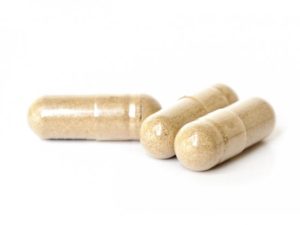
 Researchers are starting to raise concerns about routine daily intake of probiotics for "gut health". Much is still unknown, but problems are starting to appear. A healthy gut contains hundreds of species (bacteria, fungi, viruses), and taking megadoses of a few species (a probiotic supplement) can overwhelm the normal gut microbial community. A healthy gut is one with a greater diversity of species, not just some species.
For example, one study found that daily probiotic ingestion can result in overgrowth of some bacterial species in the intestines, resulting in such symptoms as brain fogginess, bloating, and gas. Successful treatment was antibiotics and stopping the use of probiotics. Another recent study found that after using antibiotics, those who took probiotics (thinking it would help microbial recolonization of the gut microbes) actually had slower recovery of the gut microbiome (microbial community). The best recovery was in those who took nothing, no supplements at all, or those who received a fecal microbial transplant (where an entire microbial community is transplanted).
The evidence is showing that for gut microbial health, the best thing to do is eat a variety of real whole foods (and not highly processed foods) that have lots of fiber, such as whole grains, fruits, vegetables, seeds, nuts, and legumes (beans). In other words, feed the beneficial bacteria. A Mediterranean style diet is good.
A recent article in Medscape (the medical site) highlights these same concerns. [See below.] A study that looked at the gut microbiome of people who were about to undergo treatment for melanoma found that those who were taking probiotics actually had worse gut microbial diversity. [Remember, gut microbial diversity is considered an indicator of gut health.] And the cancer treatment (immunotherapy) did not work as well on them.
Bottom line: The evidence is showing that for gut microbial health, the best thing to do is eat a variety of real whole foods (and not highly processed foods) that have lots of fiber, such as whole grains, fruits, vegetables, seeds, nuts, and legumes (beans). In other words, feed the beneficial bacteria. A Mediterranean style diet is good. Don't take routine daily supplements or probiotics for "gut health" - they won't help. Instead, if you want - only take probiotics for a short while for a specific symptom or problem.
Dr. Lorenzo Cohen wrote a piece for the Wall Street Journal laying out those same points. Excerpts from: Those Probiotics May Actually Be Hurting Your ‘Gut Health’ ...continue reading "Daily Use of Probiotics Can Hurt Gut Health"
 Food is all important for health. A
 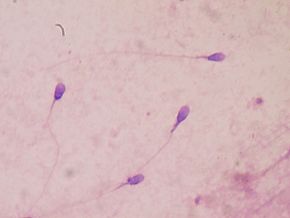 Reading the following study, I thought to myself - OK, once again someone is testing a supplement, but generally studies find that supplements don't do as well as real, actual foods in whatever is being tested. In this case, a supplement containing lycopene, which is found in tomatoes,
  Once again a study finds health problems from supplements. This time,
  Two recent studies point out the dangers of air pollution to the developing fetus. The first
  Good news for women who really like to eat onions and garlic! A
  Did you know that many tea bags contain plastic or are made totally from plastic? And that tiny pieces of plastic (microplastics) from these teabags are released into the hot water when brewing tea?
  A few weeks ago I
 Back in 2015 and 2016 some studies found a link between taking medicines that are anticholinergic and