
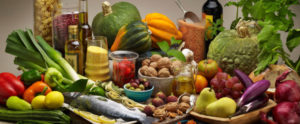
 There have been many posts on this blog about diet, fiber, microbes, and the association of diet with various diseases, such as cancer. A recent journal article by M. Song and A. Chan reviewed studies that looked at the link between diet, gut microbes (the gut microbiota or gut microbiome), and colorectal cancer (what we typically call colon cancer).
In summary, research from the last 20 years has found that diet and colorectal cancer (CRC) go hand in hand, and that diet determines the microbes (microbiota) living in the gut - that is, what you feed the microbes determines what microbes will live and thrive in the gut. Also, certain microbes in the gut are linked to inflammation and cancer formation, and others to its prevention. In other words, there is potential to prevent colorectal cancer with certain diets, and to increase the odds of colorectal cancer with other diets.
What are main dietary factors linked to colorectal cancer? Western diet (lots of processed foods, red and processed meat, low in fiber, refined grains), low levels of dietary fiber, low intake of omega-3 fatty acids from seafood (or fish oil), and obesity. The researchers point out that a Western diet is associated with gut dysbiosis (microbial imbalance), loss of gut barrier integrity, and increased levels of inflammation.
What should one do? Basically think to yourself: "I need to feed the beneficial microbes in my gut, so I need to eat lots of fruits, vegetables, whole grains, and seafood (omega-3 fatty acids)" - this is what the researchers call a "prudent pattern diet". And try to maintain a normal weight.
Some excerpts from Current Colorectal Cancer Reports: Diet, Gut Microbiota, and Colorectal Cancer Prevention: a Review of Potential Mechanisms and Promising Targets for Future Research
Abstract: Diet plays an important role in the development of colorectal cancer. Emerging data have implicated the gut microbiota in colorectal cancer. Diet is a major determinant for the gut microbial structure and function. Therefore, it has been hypothesized that alterations in gut microbes and their metabolites may contribute to the influence of diet on the development of colorectal cancer.We review several major dietary factors that have been linked to gut microbiota and colorectal cancer, including major dietary patterns, fiber, red meat and sulfur, and obesity.
Colorectal cancer (CRC) is the third most commonly diagnosed cancer and the fourth leading cause of cancer death in the world. Over the past few decades, numerous epidemiologic studies have identified a range of dietary factors that may potentially promote or prevent CRC. Likewise, increasing evidence has implicated the gut microbiota in CRC development. Biological plausibility is supported by habitation of numerous gut microbes in the large intestine and the functional importance of the gut microbiota in maintenance of the gut barrier integrity and immune homeostasis, the disruptions of which are among the most important mechanisms in colorectal carcinogenesis. Given the critical role of diet in the configurations of gut microbial communities and production of bacterial metabolites, it has been proposed that diet may influence CRC risk through modulation of the gut microbial composition and metabolism that in turn shape the immune response during tumor development.
Although gut bacterial abundance may respond rapidly to extreme changes in diet, predominant microbial community membership is primarily determined by long-term diet, and substantial inter-individual variation persists despite short-term dietary change. .... Thus, this review focuses on the dietary factors that have strong mechanistic support, including dietary pattern, fiber, red meat and sulfur, and omega-3 fatty acid. Given the close link between diet and obesity and the predominant role of obesity in CRC as well as the substantial data linking the gut microbiome to obesity, we also include obesity at the end of the review.
DIETARY PATTERNS: Convincing data indicate that a “Western dietary pattern,” characterized by high intake of red or processed meat, sweets, and refined grains, is associated with higher risk of colorectal neoplasia; in contrast, diets that are rich in fruits, vegetables, and whole grains (“prudent pattern diet”) are associated with lower risk of CRC. Western diets are associated with gut dysbiosis (microbial imbalance), loss of gut barrier integrity, increased levels of inflammatory proteins, and dysregulated immune signatures.
A potential role of the gut microbiota in mediating the dietary associations with CRC risk is suggested by the dramatic difference of the gut microbial structures between populations consuming different diets. Rural Africans, whose diet is high in fiber and low in fat, have a strikingly different gut microbial composition than urban Europeans or African Americans consuming a Western diet, which parallels the lower CRC rates in Africa than Western countries. For example, the African gut microbiota is characterized by a predominance of Prevotella genus that are involved in starch, hemicellulose, and xylan degradation, whereas the American microbiota is predominated by Bacteroides genus with a higher abundance of potentially pathogenic proteobacteria, such as Escherichia and Acinetobacter. ....
Moreover, a crossover study indicates that switching African Americans to a high-fiber, low-fat diet for 2 weeks increases production of SCFAs, suppresses secondary bile acid synthesis, and reduces colonic mucosal inflammation and proliferation biomarkers of cancer risk.
Fiber: Numerous prospective studies have linked higher fiber intake to lower risk of CRC. The most recent expert report from the World Cancer Research Fund and the American Institute for Cancer Research in 2011 concludes that evidence that consumption of foods containing dietary fiber protects against CRC is convincing. Besides systemic benefits for insulin sensitivity and metabolic regulation, which have been implicated in colorectal carcinogenesis, fiber possesses gut-specific activities, such as diluting fecal content, decreasing transit time, and increasing stool weight, thereby minimizing exposure to intestinal carcinogens.
Moreover, soluble fiber can be fermented by bacteria in the lumen of the colon into SCFAs [short-chain fatty acids], including butyrate, acetate,and propionate. Higher fiber intake has been shown to enrich butyrate-producing bacteria in the gut, such as Clostridium, Anaerostipes, Eubacterium, and Roseburia species, and increase production of SCFAs. SCFAs have been suggested as the key metabolites linking the gut microbes to various health conditions, especially CRC.
Red Meat and Sulfur: There is convincing evidence that red and processed meats are associated with increased risk of CRC. Recently, the Int. Agency for Research on Cancer has classified processed meat as a carcinogen to humans. Mechanisms underlying the pro-cancer effects of red or processed meats include heme iron, N-nitroso compounds, or heterocyclic amines, and hydrogen sulfide production. Hydrogen sulfide has been implicated in inflammatory disorders associated with risk of CRC, such as ulcerative colitis, and directly with CRC.
Omega-3 Fatty Acid: Marine omega-3 polyunsaturated fatty acid, including eicosapentaenoic acid, docosahexaenoic acid, and docosapentaenoic acid, possesses potent anti-inflammatory activity and may protect against CRC. Fish oil, a rich source of omega-3 fatty acid, is the most popular natural product used by US adults. Substantial data support the beneficial effect of omega-3 fatty acid on CRC prevention and treatment.
Dietary fat composition is a major driver of the gut microbial community structure. Compared to other types of fat, omega-3 fatty acid have been associated with higher intestinal microbiota diversity and omega-3 fatty acid-rich diet ameliorates the gut dysbiosis induced by omega-6 polyunsaturated fatty acid or antibiotics.
Obesity: Since the 1970–1980s, the prevalence of obesity has markedly increased worldwide. The obesity epidemic is believed to be largely driven by global westernization characterized by overconsumption of easily accessible and energy-dense food and a sedentary lifestyle. Obesity is an established risk factor for CRC and several other cancers. Possible mechanisms include increased insulin levels and bioavailability of insulin-like growth factor 1, altered secretion of adipokines and inflammatory cytokines, and changes in sex hormone levels.
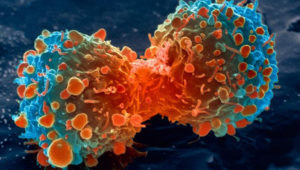 For those who need convincing that lifestyle can contribute to development of cancer or its prevention, new medical research has once again supported the importance of lifestyle choices.
  It looks like pesticide residues are increasing in our food. Not good, especially since we don't know what
  Great news coffee drinkers! Another
  Vitamin D supplements are incredibly popular, but whether vitamin D supplements should be taken during pregnancy and at what dose is still debated, and studies have had conflicting results. Now
  A recent
  Another