Skip to content

A recent study looking at high dose supplementation of vitamin D found that it did not prevent cardiovascular disease. This study came about because of earlier studies observing that there is a higher incidence of cardiovascular disease in persons with low vitamin D levels (as measured in their blood). But such results from observational studies need rigorous testing in studies where people are randomly assigned to groups, and that are "double-blind" (no one knows who is getting the vitamin D until the end of the study) to eliminate bias. And this is what was done in this study, with the result that monthly high doses of vitamin D3 for 3 years did not prevent cardiovascular disease (including stroke, heart attacks, hypertension, etc) - as seen in that there were no group differences between the vitamin D and placebo groups. Finding no effects are "null findings".

But note that the subjects in the study got monthly high doses, and not daily or weekly vitamin D. It is unknown whether daily dosing would have made a difference in the results. However, the vitamin D levels in the blood soon reached levels (about 51.725 ng/mL) that many view as a desirable "protective" level. So we'll see what other studies find. But these results are definitely disappointing for those wanting an easy "magic bullet" for preventing cardiovascular disease. Bottom line: focus on lifestyle (diet, exercise, not smoking, etc) for heart health. From Science Daily:

Monthly high-dose vitamin D supplementation does not prevent cardiovascular disease

Results of a large randomized trial indicate that monthly high-dose vitamin D supplementation does not prevent cardiovascular disease, according to a study published by JAMA Cardiology. Studies have reported increased incidence of cardiovascular disease (CVD) among individuals with low vitamin D status. To date, randomized clinical trials of vitamin D supplementation have not found an effect, possibly because of using too low a dose of vitamin D. Robert Scragg, M.B.B.S., Ph.D., of the University of Auckland, New Zealand, and colleagues randomly assigned adults (age 50 to 84 years) to receive oral vitamin D3 (n = 2,558; an initial dose of 200,000 IU, followed a month later by monthly doses of 100,000 IU) or placebo (n = 2,552) for a median of 3.3 years.

Of the 5,108 participants included in the primary analysis, the average age was 66 years; 25 percent were vitamin D deficient. Cardiovascular disease occurred in 303 participants (11.8 percent) in the vitamin D group and 293 participants (11.5 percent) in the placebo group. Similar results were seen for participants with vitamin D deficiency at study entry and for other outcomes such as heart attack, angina, heart failure, hypertension, and stroke.

The authors write that the results of this study do not support the use of monthly high-dose vitamin D for the prevention of CVD. "The effects of daily or weekly dosing on CVD risk require further study." [Original study.]

 Nice research that basically says: food is medicine. In other words, eat lots of whole grains and legumes (beans) for gut health - to feed the beneficial microbes in your gut and prevent (hopefully) colon cancer. While the clinical trial studied colorectal cancer survivors and the effects of 4 weeks of adding rice bran or navy beans or placebo (nothing extra) daily to their diet - the positive effects of adding the extra dietary fiber included increased microbiome richness and diversity in the rice bran group (which is good).

And when researchers treated colorectal cancer cells with stool extracts from these groups, they saw reduced cell growth from the groups that had increased rice bran and navy bean consumption. This was an important finding and stresses that adding fiber to the diet is beneficial to gut health, and perhaps may prevent colorectal cancer.

Other studies have also found a diet with lots of legumes (beans), whole grains, vegetables, fruits, nuts, and seeds to be beneficial for gut microbes and gut health. A classic study (from 2015) found dramatic changes in the colon (specifically in the colonic mucosa) from dietary changes in as little as 2 weeks. They compared the typical low-fat, high fiber diet of South Africa with an “American” high-fat, low-fiber diet, and found that after two weeks on the high fiber African diet, there was significantly less inflammation in the colon and reduced biomarkers of cancer risk. On the other hand, measurements indicating cancer risk dramatically increased after two weeks on the western diet. That study found that a major reason for the changes in cancer risk was the way in which the bacteria in the gut (the microbiome) were altered in adapting to the new diet. The researchers suggested trying for at least 50 grams of fiber per day for gut health benefits.

From Medical Xpress: Phase II trial: Rice bran adds microbiome diversity, slows growth of colon cancer cells

Today at the American Association for Cancer Research (AACR) Annual Meeting 2017, University of Colorado Cancer Center researchers at Colorado State University present results of a phase II clinical trial of 29 people exploring the effects of adding rice bran or navy beans to the diets of colorectal cancer survivors. After the 4-week randomized-controlled trial during which people added rice bran, navy bean powder or neither, both the rice bran and navy bean groups showed increased dietary fiber, iron, zinc, thiamin, niacin, vitamin B6, folate, and alpha-tocopherol. The rice bran group also showed increased microbiome richness and diversity. When researchers treated colorectal cancer cells with stool extracts from these groups, they saw reduced cell growth from the groups that had increased rice bran and navy bean consumption.

Previous work shows the ability of these diets to decrease colorectal cancer risk in animal models. The current trial confirms that people can eat enough bean- and rice bran-enhanced foods to promote gut health at levels shown to prevent colorectal cancer in animals. Guidelines from the American Institute for Cancer Research recommend reducing the risk of cancer by eating more vegetables, fruits, whole grains and legumes, such as beans. Ryan has established from these studies that eating a half-cup of beans and 30 grams of rice bran per day is enough to see changes in small molecules that can confer protection against colorectal cancer.

"The simple message is, 'Food is medicine,' and we are looking at how to simplify that and make it apply to our everyday lives," says study co-author Regina Brown, MD, assistant professor at the CU School of Medicine and oncologist for CUHealth...."The evidence is there in animals and we can now study this in people. The question is, what are we doing to achieve adequate levels of intake of these foods?" Ryan said. "It's not enough to say 'I eat them once in a while.' That's not going to work, particularly if you are at higher risk. You have to meet a dose, just like you need a dose of a certain drug, you need to reach intake levels and consume increased amounts of these foods, and that's where people, including me, are challenged. Not everyone wants to open up a can of beans and eat them every day."

Does vitamin D prevent cancer? There has been much debate over whether increasing levels of vitamin D (as measured in a person's blood) results in a lower incidence of cancer. Studies find a number of health problems linked to low levels of vitamin D (here, here, here), while studies looking at vitamin D and cancer have been "inconsistent" in their results. Some say yes - vitamin D is protective, while some say there is no effect from vitamin D supplements. Now a 4 year study (yes, yes - it's a very short length of time in which to study the onset of cancer) found no difference in the rate of cancer among two groups of postmenopausal women who received either: 2,000 IU per day of vitamin D3 and 1,500 mg per day of calcium OR an identical looking placebo. They looked for any kind of cancer occurring.

The Creighton University researchers found a difference among the women after 4 years, with the vitamin D plus calcium supplement group having fewer cancers (and a lower percentage of cancer) as compared to the placebo group, but...it did not reach statistical significance. So you could say it was due to chance. But when the researchers looked at the number of cancers from year 2 to 4, then the difference was statistically significant - that vitamin D was protective. The researchers wonder if the cancers diagnosed in year 1 were already developing before the study started. Note: The 2,000 IU per day vitamin D3 supplements in this study are considered high doses - "high dose supplementation".

The researchers point out that the women who were given vitamin D3 and calcium supplements had a 30% lower risk of cancer, even though this difference in cancer incidence rates between the 2 groups did not quite reach statistical significance. But both groups started with a fairly high vitamin D level -  an average 25-hydroxyvitamin D (25[OH]D) levels of 32.8 ng/m (which is above the average US population level). And in the supplement group it was raised to 43.9 ng/mL. Note that some researchers view vitamin D levels of 33 ng/mL  (the baseline level in both groups) as already protective against cancer.

Also, even during the study the placebo group was allowed to take their own vitamin D and calcium supplements as long as it wasn't more than the recommended amounts (800 IU per day for vitamin D and 1500 mg per day for calcium) - which makes those individuals actually a low vitamin D supplementation group rather than no supplementation, which might hide any treatment effects and so make the results for the 2 groups look similar. What is needed is a much longer follow-up, larger groups of women, and both high and low dose vitamin D supplement groups. Some studies suggest that whether a low or high dose taken has an effect on cancer incidence.

I still think this study period was way too short - to me, 5 or more years would have been more convincing, and the groups too small. Also, it was unfortunate that they were also given calcium supplements or that there wasn't a just vitamin D group. Combining vitamin D with calcium supplements just muddies the results (in my opinion), and also because calcium supplements are linked to health problems such as cardiovascular disease. So in this study can't tell what the separate effects of calcium and vitamin D are. (Note that calcium rich foods, however, are beneficial to health.)

But a big positive of the study was that the women were randomly assigned to either the vitamin D plus calcium group or the placebo group, and no one - not the women or their doctors knew who got what until the end of the study (to eliminate bias it was "double-blind"). Note The supplements used were vitamin D3 and not D2. Vitamin D can also be easily obtained by exposure to sunlight in the summer months.

Excerpts from Creighton University release about the study in Science Daily: Does Vitamin D decrease risk of cancer?

The study, funded by the National Institutes of Health, is a randomized clinical trial of the effects of vitamin D supplementation on all types of cancer combined. The four-year study included 2,303 healthy postmenopausal women 55 years and older from 31 counties in Nebraska. Participants were randomly assigned to take either 2000 international units (IU) of vitamin D3 and 1500 mg. of calcium or identical placebos daily for 4 years. The vitamin D3 dose was about three times the US government's Recommended Dietary Allowance (RDA) of 600 IU for adults through age 70, and 800 IU for those 71 and older. Women who were given vitamin D3 and calcium supplements had 30% lower risk of cancer. This difference in cancer incidence rates between groups did not quite reach statistical significance. However, in further analyses, blood levels of vitamin D, specifically 25-hydroxyvitamin D (25(OH)D), were significantly lower in women who developed cancer during the study than in those who remained healthy.

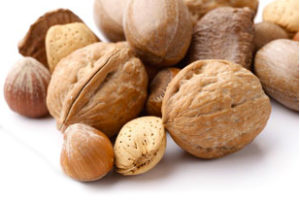
Is this really a surprise to anyone at this point? According to a recent study: Almost half of all deaths in the United States in 2012 that were caused by cardiometabolic diseases such as heart disease, stroke and type 2 diabetes, have been linked to "suboptimal diets" - that is, to eating poorly and so not getting enough of certain foods and nutrients, and too much of other foods. Deaths due to heart disease, stroke, or type 2 diabete were linked to: high sodium (salt) intake, not eating enough nuts and seeds, a high intake of processed meats, and low intake of seafood omega-3 fats.

The study looked at consumption of 10 foods or nutrients that are associated with cardiometabolic diseases: fruits, vegetables, nuts/seeds, whole grains, unprocessed red meats, processed meats, sugar-sweetened beverages (SSBs), polyunsaturated fats, seafood omega-3 fats, and sodium. The researchers incorporated data from National Health and Nutrition Examination Surveys, from studies and clinical trials, and from the National Center for Health Statistics. So how should one eat for heath? Lots of fruits and vegetables, legumes (beans), nuts, seeds, whole grains, fish, and less processed food and fast food. (A plus of this is that it also feeds your beneficial gut microbes.) Read ingredient lists and try to avoid whatever foods have ingredients that you ordinarily wouldn't cook with or don't understand what they are (for example, colors, additives, titanium dioxide, artificial or natural flavors, etc.). From Science Daily:

High number of deaths from heart disease, stroke and diabetes linked to diet

Nearly half of all deaths in the United States in 2012 that were caused by cardiometabolic diseases, including heart disease, stroke and type 2 diabetes, have been linked to substandard eating habits, according to a study published in the March 7 issue of JAMA and funded by the National Heart, Lung, and Blood Institute (NHLBI), part of the National Institutes of Health. Of the 702,308 adult deaths due to cardiometabolic diseases, 318,656, or about 45 percent, were associated with inadequate consumption of certain foods and nutrients widely considered vital for healthy living, and overconsumption of other foods that are not.

The list includes foods and nutrients long-associated with influencing cardiometabolic health. The highest percentage of deaths was linked to excess consumption of sodium. Processed meats, sugar-sweetened beverages and unprocessed red meats were also consumed in excess. Americans did not consume enough of some foods that have healthful effects such as fruits, vegetables, nuts and seeds, whole grains, polyunsaturated fats and seafood omega-3 fats.

The study also shows that the proportion of deaths associated with diet varied across population groups. For instance, death rates were higher among men when compared to women; among blacks and Hispanics compared to whites; and among those with lower education levels, compared with their higher-educated counterparts. The authors concluded that "these results should help identify priorities, guide public health planning, and inform strategies to alter dietary habits and improve health." The study findings were based on death certificate data collected by the National Center for Health Statistics, part of the Centers for Disease Control and Prevention.

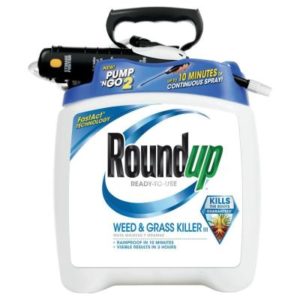
Why is the US Department of Agriculture (USDA) dropping plans to test for glyphosate residues in food? It was supposed to start soon (April 1, 2017), in coordination with the Environmental Protection Agency (EPA) and the Food and Drug Administration (FDA), but now all plans to test have been dropped. Why is this worrisome? The issue is that glyphosate is currently the most widely used pesticide in the world. It is a herbicide that is the active ingredient in the herbicide commonly known as Roundup. Global use was 1.65 billion pounds in 2014 , while overall use in the US was 276.4 million pounds in 2014. Glyphosate is a probable human carcinogen and linked to various health effects, and research shows that glyphosate residues are commonly found in foods.

Even though whether glyphosate is a carcinogen is hotly debated by some groups (with Monsanto fiercely fighting against such a label), it shouldn't matter in the decision of whether to test for glyphosate residues in foods. What is going on with our food, and whether and how much glyphosate residues are in food should be monitored. Government agencies (such as USDA) test for other pesticide residues, and they should do the same for glyphosate, especially because it is so widely used.

The FDA did test for a short while last year (2016) and then stopped in the fall, and yes, they found residues in the foods they studied. Government and private testing has already found glyphosate residues in breast milk, soybeans, corn, honey, cereal, wheat flour, oatmeal, soy sauce, beer, and infant formula. It is currently unknown what the glyphosate residues in food that we eat means for human health. Several studies have linked glyphosate to human health ailments, including non-Hodgkin lymphoma and kidney and liver problems. Of special concern is that because glyphosate is so pervasive in the environment, even trace amounts might be harmful due to chronic exposure. Glyphosate is patented by its manufacturer (Monsanto) for its antibacterial properties - thus it can be viewed as an antibiotic. What is it doing to our gut microbes when ingested? Some people (including researchers) are even suggesting that much of "gluten sensitivity" or "gluten intolerance" that people complain of, may actually be sensitivity to glyphosate residues in food. There are many unanswered questions.

So....is this a case of burying the head in the sand? That there are no problems if no one looks for them? The EPA has long known that glyphosate residues are occurring in food because in 2013 the EPA raised "tolerance limits" for human exposure to glyphosate for certain foods, stating with "reasonable certainty that no harm will result" from human exposure to the chemical. This increase in tolerance levels came about from a request from Monsanto (the manufacturer of the glyphosate herbicide Roundup), and even though numerous groups protested the increase, the EPA went along with Monsanto's request. Some tolerances doubled. Pesticide residues are an important issue - because we don't know what chronic exposure to mixtures of low levels of pesticides (which includes glyphosate) in foods does to us. To babies and children, to pregnant women, to the elderly, to all of us.

But remember.... there are very strong industry pressures on the EPA and USDA, with some government officials also having ties to the industry, and so perhaps it's a case of keeping the head firmly in the sand for all sorts of pesticide issues. Maybe the motto is: see no evil...hear no evil....There have been some lawsuits from people claiming harm from the pesticide, as well as push back from scientists and environmental groups. Some influential scientists and physicians came out with a Statement of Concern in 2016 regarding their serious concerns with glyphosate.

The reason that glyphosate tolerance limits needed to be increased in the USA is because Roundup Ready crops are now so extensively planted, and this has resulted in skyrocketing use of glyphosate in the last 20 years. Roundup Ready crops are genetically modified to tolerate repeated glyphosate spraying (against weeds)  during the growing season. However, the crops take up and accumulate  glyphosate, and so glyphosate residues are increasing in crops. Another reason for increased residue of glyphosate in crops is the current practice of applying an herbicide such as Roundup right at the time of harvest to non-GMO crops such as wheat, so that the crop dies at once and dries out (pre-harvest crop dessication), and which is called a "preharvest application" by Monsanto. Glyphosate is now off-patent so many other companies are also using glyphosate in their products throughout the world.

How to lower your daily intake of glyphosate? Eat organic foods as much as possible, including wheat, corn, oats, soybeans. Glyphosate is not allowed to be used in organic food production. The following excerpts are from an article by journalist Carey Gillam, and it is well worth reading the entire article. From The Huffington Post:

USDA Drops Plan to Test for Monsanto Weed Killer in Food

The U.S. Department of Agriculture has quietly dropped a plan to start testing food for residues of glyphosate, the world’s most widely used weed killer and the key ingredient in Monsanto Co.’s branded Roundup herbicides. The agency spent the last year coordinating with the Environmental Protection Agency (EPA) and the Food and Drug Administration (FDA) in preparation to start testing samples of corn syrup for glyphosate residues on April 1, according to internal agency documents obtained through Freedom of Information Act requests. Documents show that at least since January 2016 into January of this year, the glyphosate testing plan was moving forward. But when asked about the plan this week, a USDA spokesman said no glyphosate residue testing would be done at all by USDA this year.

The USDA’s plan called for the collection and testing of 315 samples of corn syrup from around the United States from April through August, according to the documents. Researchers were also supposed to test for the AMPA metabolite, the documents state. AMPA (aminomethylphosphonic acid) is created as glyphosate breaks down. Measuring residues that include those from AMPA is important because AMPA is not a benign byproduct but carries its own set of safety concerns, scientists believe.

The USDA does not routinely test for glyphosate as it does for other pesticides used in food production. But that stance has made the USDA the subject of criticism as controversy over glyphosate safety has mounted in recent years. The discussions of testing this year come as U.S. and European regulators are wrestling with cancer concerns about the chemical, and as Monsanto, which has made billions of dollars from its glyphosate-based herbicides, is being sued by hundreds of people who claim exposures to Roundup caused them or their loved ones to suffer from non-Hodgkin lymphoma. Internal Monsanto documents obtained by plaintiffs’ attorneys in those cases indicate that Monsanto may have manipulated research regulators relied on to garner favorable safety assessments, and last week, Congressman Ted Lieu called for a probe by the Department of Justice into Monsanto’s actions.

Along with the USDA, the Food and Drug Administration also annually tests thousands of food samples for pesticide residues. Both agencies have done so for decades as a means to ensure that traces of weed killers, insecticides, fungicides and other chemicals used in farming do not persist at unsafe levels in food products commonly eaten by American families. If they find residues above the “maximum residue level” (MRL) allowed for that pesticide and that food, the agencies are supposed to inform the EPA, and actions can be taken against the supplier. The EPA is the regulator charged with establishing MRLs, also called “tolerances,” for different types of pesticides in foods, and the agency coordinates with USDA and FDA on the pesticide testing programs.

But despite the fact that glyphosate use has surged in the last 20 years alongside the marketing of glyphosate-tolerant crops, both USDA and FDA have declined to test for glyphosate residues aside from one time in 2011 when the USDA tested 300 soybean samples for glyphosate and AMPA residues. At that time the agency found 271 samples contained glyphosate, but said the levels were under the MRL - low enough not to be worrisome. The Government Accountability Office took both agencies to task in 2014 for the failure to test regularly for glyphosate.

The USDA’s most recent published report on pesticide residues in food found that for 2015 testing, only 15 percent of the 10,187 samples tested were free from any detectable pesticide residues. That’s a marked difference from 2014, when the USDA found that over 41 percent of samples were “clean” or showed no detectable pesticide residues. But the agency said the important point was that most of the samples, over 99 percent, had residues below the EPA’s established tolerances and are at levels that “do not pose risk to consumers’ health and are safe.” Many scientists take issue with using MRLs as a standard associated with safety, arguing they are based on pesticide industry data and rely on flawed analyses. Much more research is needed to understand the impact on human health of chronic dietary exposures to pesticides, many say.

Did you know that some foods have nanoparticles added to them? Which means that you may be ingesting food nanoparticles without knowing it. There are currently hundreds of foods with nanoparticles in them, and it is estimated that people (in developed countries) consume more than 1012 nanoparticles in foods each day. The nanoparticles in foods are ingredients so small that they are measured in nanometers or billionths of one meter. The most common nanoingredients are: titanium dioxide, silicon dioxide, and zinc oxide. 

What, if anything, do nanoingredients do to humans? That is, are there any effects from ingesting them? Several articles in the past year raise a number of concerns, especially because so much is still unknown. Two recent studies, one done in the US. (using an intestinal model) and one in France (using rats) also raise similar health concerns.

The U. S. study found that the ability of small intestine cells to absorb nutrients and act as a barrier to pathogens is "significantly decreased" after chronic low-level exposure to nanoparticles of titanium dioxide. It affected the surface of the intestinal cells, called microvilli, of the small intestine in a negative way (it "induced a significant decrease in absorptive microvilli").

The French study found that 100 days of chronic low-level ingestion of titanium nanoparticles in food resulted in intestinal inflammation, that it crossed the intestinal barrier and passed into the bloodstream (and even to the liver), and there was development of "preneoplastic lesions" - thus leading the researchers to suggest that chronic low-level exposure plays a role in initiating and promoting early stages of colorectal cancer (colorectal carcinogenesis).

Meanwhile the use of nanoingredients is unregulated in the U.S., and the number of foods with nanoingredients is growing rapidly. About 36% of the titanium dioxide used in food is in titanium dioxide nanoparticle form. It is frequently found in processed foods such as candies, icing, and chewing gums, and is primarily used to make the food whiter or brighter. In the European Union titanium dioxide nanoparticles used as a food additive is known as E171.

Nanoparticles are typically used in foods as additives, flavorings, coloring, or even coatings for food packaging (which can then migrate or leach into food). It is thought that nanocoatings are being used on some fruits and vegetables. Even though ingredients such as titanium dioxide are considered to be "generally recognized as safe" (GRAS) before they're made into nanoparticles, the question is whether they’re safe in their nanoparticle form. This is because nanoparticles can exhibit new or altered properties at nanoscale dimensions.

Some concerns about nanoparticles are that they are small enough to penetrate the skin, lungs, digestive system, and perhaps pass through the blood-brain barrier and placental-fetal barrier, and cause damage. Some earlier studies raised the question of whether low-level inflammation of the intestines from chronic (daily) nanoparticle ingestion is contributing to intestinal bowel diseases or the development of colorectal cancer in humans. This research is in its infancy. Whew...

So if this concerns you, how can you avoid nanoparticles in food? Read food ingredient lists to avoid titanium dioxide, silicon dioxide, zinc oxide, and cut back (or avoid) eating processed foods as much as possible.

From Science Daily:  Food additive found in candy, gum could alter digestive cell structure and function

The ability of small intestine cells to absorb nutrients and act as a barrier to pathogens is "significantly decreased" after chronic exposure to nanoparticles of titanium dioxide, a common food additive found in everything from chewing gum to bread, according to research from Binghamton University, State University of New York. Researchers exposed a small intestinal cell culture model to the physiological equivalent of a meal's worth of titanium oxide nanoparticles -- 30 nanometers across -- over four hours (acute exposure), or three meal's worth over five days (chronic exposure).

Acute exposures did not have much effect, but chronic exposure diminished the absorptive projections on the surface of intestinal cells called microvilli. With fewer microvilli, the intestinal barrier was weakened, metabolism slowed and some nutrients -- iron, zinc, and fatty acids, specifically -- were more difficult to absorb. Enzyme functions were negatively affected, while inflammation signals increased. "There has been previous work on how titanium oxide nanoparticles affects microvilli, but we are looking at much lower concentrations," Mahler said. "We also extended previous work to show that these nanoparticles alter intestinal function."

Titanium dioxide is generally recognized as safe by the U.S. Food and Drug Administration, and ingestion is nearly unavoidable.[Note: the FDA does not distinguish between regular titanium dioxide and titanium dioxide nanoparticles.] The compound is an inert and insoluble material that is commonly used for white pigmentation in paints, paper and plastics. It is also an active ingredient in mineral-based sunscreens for pigmentation to block ultraviolet light. However, it can enter the digestive system through toothpastes, as titanium dioxide is used to create abrasion needed for cleaning. The oxide is also used in some chocolate to give it a smooth texture; in donuts to provide color; and in skimmed milks for a brighter, more opaque appearance which makes the milk more palatable. "To avoid foods rich in titanium oxide nanoparticles you should avoid processed foods, and especially candy. That is where you see a lot of nanoparticles," Mahler said. [Original study.]

From Science Daily: Food additive E171: First findings of oral exposure to titanium dioxide nanoparticles

Researchers from INRA and their partners1 have studied the effects of oral exposure to titanium dioxide, an additive (E171) commonly used in foodstuffs, especially confectionary. They have shown for the first time that E171 crosses the intestinal barrier in animals and reaches other parts of the body. Immune system disorders linked to the absorption of the nanoscale fraction of E171 particles were observed. The researchers also showed that chronic oral exposure to the additive spontaneously induced preneoplastic lesions in the colon, a non-malignant stage of carcinogenesis, in 40% of exposed animals. Moreover, E171 was found to accelerate the development of lesions previously induced for experimental purposes. While the findings show that the additive plays a role in initiating and promoting the early stages of colorectal carcinogenesis, they cannot be extrapolated to humans or more advanced stages of the disease. The findings were published in the 20 January 2017 issue of Scientific Reports.

Present in many products including cosmetics, sunscreens, paint and building materials, titanium dioxide (or TiO2), known as E171 in Europe....Composed of micro- and nanoparticles, E171 is nevertheless not labelled a "nanomaterial," since it does not contain more than 50% of nanoparticles (in general it contains from 10-40%). The International Agency for Research on Cancer (IARC) evaluated the risk of exposure to titanium dioxide by inhalation (occupational exposure), resulting in a Group 2B classification, reserved for potential carcinogens for humans. [Original study.]

A study found that daily drinking of  tea (either black tea/oolong or green tea) is associated with a lower risk of "neurocognitive disorders" - in cognitive impairment in women, and in a lower risk of Alzheimer's disease in both men and women who are genetically predisposed to the disease (apolipoprotein E (APOE) genotype) - when compared to those who never or rarely drank tea. The researchers called long-term daily tea drinking as "neuroprotective".

The study followed 957 residents of Singapore for several years. All were "cognitively normal" when the study started (average age 64 1/2 years), but 72 people or 7.5% had developed neurocognitive disorders by the second follow-up (after 4 years). The study found that there was a dose-dependent relationship - the more tea that was drunk daily, the more protective it appeared to be. And it was most protective in those who consistently drank tea at both time points - when the study started and till the end. However, there was a gender difference - it seemed to protect women from neurocognitive disorders, but not men. But in those who were genetically predisposed to Alzheimer's - tea drinking was protective for both males and females. Further studies will follow up to see if the gender difference holds - they couldn't explain it.

The researchers also point out that tea drinking has a long history in Chinese culture as an natural "attention enhancer" and strong tea is drunk as to maintain alertness and concentration. Sounds a lot like why people drink coffee. From Medical Xpress:

Daily consumption of tea protects the elderly from cognitive decline

Tea drinking reduces the risk of cognitive impairment in older persons by 50 per cent and as much as 86 per cent for those who are genetically at risk of Alzheimer's. A cup of tea a day can keep dementia away, and this is especially so for those who are genetically predisposed to the debilitating disease, according to a recent study led by Assistant Professor Feng Lei from the Department of Psychological Medicine at National University of Singapore's (NUS) Yong Loo Lin School of Medicine. The longitudinal study involving 957 Chinese seniors aged 55 years or older has found that regular consumption of tea lowers the risk of cognitive decline in the elderly by 50 per cent, while APOE e4 gene carriers who are genetically at risk of developing Alzheimer's disease may experience a reduction in cognitive impairment risk by as much as 86 per cent.

He added, "Based on current knowledge, this long term benefit of tea consumption is due to the bioactive compounds in tea leaves, such as catechins, theaflavins, thearubigins and L-theanine. These compounds exhibit anti-inflammatory and antioxidant potential and other bioactive properties that may protect the brain from vascular damage and neurodegeneration. Our understanding of the detailed biological mechanisms is still very limited so we do need more research to find out definitive answers.

Image result for wheat bread wikipedia Low gluten or gluten-free diets are a necessity for those suffering from Celiac disease or who are gluten intolerant. But low gluten diets are also followed by many people who do not have these diseases simply because they think it may be healthier for them. But is it healthier? Two recent studies raise health concerns about low gluten or gluten-free dietsGluten is a protein found in wheat, rye and barley.

The first study found that people who eat a low gluten or gluten-free diet are at risk for increased exposure to arsenic and mercury (which are toxic metals that can lead to cardiovascular disease, cancer and neurological effects). This is because gluten-free products often contain rice flour, which is used as a substitute for wheat. Rice is known to bioaccumulate certain toxic metals, including arsenic and mercury from fertilizers, soil, or water. People who reported eating gluten-free had higher concentrations of arsenic in their urine, and mercury in their blood, than those who did not. The arsenic levels were almost twice as high for people eating a gluten-free diet, and mercury levels were 70 percent higher. Unfortunately the U.S. does not have regulations for arsenic exposure in foods (but Europe does).

The second study found that a low-gluten diet may  raise the risk of type 2 diabetes. Diets higher in gluten were associated with a lower risk of developing type 2 diabetes. In the study, those who ate less gluten also tended to eat less cereal fiber which is known to be protective against developing type 2 diabetes.

From Science Daily: Gluten-free diet may increase risk of arsenic, mercury exposure

People who eat a gluten-free diet may be at risk for increased exposure to arsenic and mercury -- toxic metals that can lead to cardiovascular disease, cancer and neurological effects, according to a report in the journal Epidemiology. Gluten-free diets have become popular in the U.S., although less than 1 percent of Americans have been diagnosed with celiac disease -- an out-of-control immune response to gluten, a protein found in wheat, rye and barley. A gluten-free diet is recommended for people with celiac disease, but others often say they prefer eating gluten-free because it reduces inflammation -- a claim that has not been scientifically proven. In 2015, one-quarter of Americans reported eating gluten-free, a 67 percent increase from 2013.

They found 73 participants who reported eating a gluten-free diet among the 7,471 who completed the survey, between 2009 and 2014. Participants ranged in age from 6 to 80 years old. People who reported eating gluten-free had higher concentrations of arsenic in their urine, and mercury in their blood, than those who did not. The arsenic levels were almost twice as high for people eating a gluten-free diet, and mercury levels were 70 percent higher.

For Science Daily: Low gluten diets linked to higher risk of type 2 diabetes

Eating more gluten may be associated with a lower risk of developing Type 2 diabetes, according to research presented at the American Heart Association's Epidemiology and Prevention / Lifestyle and Cardiometabolic Health 2017 Scientific Sessions....In this long-term observational study, researchers found that most participants had gluten intake below 12 grams/day, and within this range, those who ate the most gluten had lower Type 2 diabetes risk during thirty years of follow-up. Study participants who ate less gluten also tended to eat less cereal fiber, a known protective factor for Type 2 diabetes development.

After further accounting for the potential effect of cereal fiber, individuals in the highest 20 percent of gluten consumption had a 13 percent lower risk of developing Type 2 diabetes in comparison to those with the lowest daily gluten consumption (approximately fewer than 4 grams).

12

Last week a person told an amazing story in the comments section after a post on this site. After suffering from a "constant runny nose and a bad smell" in the nose for 2 years - which was diagnosed as "fungi and staph" in the sinuses - the person started doing "kimchi treatments" (as discussed in the Sinusitis Treatment Summary page). After 2 weeks a fungal ball was loosened, which came out of the sinuses and into the mouth, and was then spit out. About an inch in size - a smelly, grey/green, round fungal ball. Wow. Which leads to the question: Are any of the microbes in live kimchi anti-fungal?

Kimchi is an amazing live fermented food, typically made with cabbage and other vegetables and a variety of seasonings. Kimchi is the national dish of Korea and so there is tremendous interest in Korea in studying kimchi to learn about the many different microbial species in kimchi, including how they change over the course of fermentation.

It turns out that kimchi contains many species of bacteria, including various species of Lactobacillus - which are considered beneficial. Of course one of the species found in kimchi over the course of fermentation is Lactobacillus sakei - the bacteria that successfully treats sinusitis, and which I have written about extensively. L. sakei predominates over pathogenic bacteria (antibacterial) - which is why it is also used as a sausage starter culture (to kill off bacteria such as Listeria). One study found that the garlic, ginger, and leek used in making kimchi were the sources of L. sakei bacteria found in fermented kimchi.

Studies show that a number of the Lactobacillus species found in kimchi are antifungal against a number of different kinds of fungi.  Some of these antifungal bacteria are: Lactobacillus plantarum, L. cruvatus, L. lactis, L. casei, L. pentosus, L. acidophilus, and L. sakei (here, here).

A study from 2005 found that some Lactobacillus species found in kimchi are predominant over a fungi known to cause health problems in humans - Aspergillus fumigatus, a mold (fungi) which is the most common cause of Aspergillus infections. Aspergillus (of which there are many species) is very common both indoors and outdoors (on plants, soil, rotting plants, household dust, etc.), so people typically breathe in these fungal spores daily and without any negative effects. However, sometimes Aspergillus can cause allergic reactions, infections in the lungs and sinuses (including fungal balls), and other infections. (more information at CDC site).

The study found that 5 bacterial species in kimchi were also antifungal against other species of fungi (Aspergillus flavus, Fusarium moniliforme, Penicillium commune, and Rhizopus oryzae). The 5 bacterial species in kimchi that they found to be antifungal were: Lactobacillus cruvatus, L. lactis subsp. lactis, L. casei, L. pentosus, and L. sakei.

Just keep in mind that fungi are everywhere around us, and even part of the microbes that live in and on us - this is our mycobiome. We also breathe in a variety of fungi (mold spores) every day. In healthy individuals (even babies) all the microbes (bacteria, viruses, fungi, etc) live in balanced microbial communities, but the communities can become "out of whack" (dysbiosis) for various reasons, and microbes that formerly co-existed peacefully can multiply and become problematic.

If the populations get too unbalanced (e.g., antibiotics can kill off bacteria, and then an increase in fungi populations take their place) then ordinarily non-harmful fungi can become pathogenic. Or other pathogenic microbes can enter the community (e.g., through infection), and the person becomes ill.

IN SUMMARY: Kimchi has beneficial bacteria in it that are effective not just against bacteria (antibacterial), but also against some kinds of fungi (antifungal). One 2016 review study went so far as to say: "Kimchi possesses anti-inflammatory, antibacterial, antioxidant, anticancer, antiobesity, probiotic properties, cholesterol reduction, and antiaging properties."

Experiences of my family and people writing suggest that the L. sakei in kimchi (and other products) is also antibiofilm. Hopefully, there will be some research on this in the future. But in the meantime, please keep writing to me about fungal complications of sinusitis, and especially if kimchi, L. sakei products, or other probiotics helped.

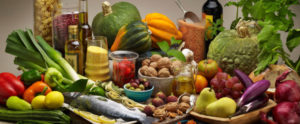
Once again the Mediterranean diet is linked to health benefits - this time a 40% lower incidence of certain types of breast cancer in postmenopausal women. Following a Mediterranean style diet has been linked in earlier studies to various health benefits, such as lower rates of heart disease, lower rates of early death, and certain cancers.

A strength of this study is that so many (62,573) Dutch postmenopausal women were followed for a long time (about 20 years). Their diet was analyzed, especially how closely it matched the Mediterranean diet or not. Since alcohol is a risk factor for breast cancer, and dose-related - it was not included as part of the Mediterranean diet in this study. The study found that following a Mediterranean diet with higher consumption of nuts, fruits, vegetables, and whole grains, appeared to be protective against certain breast cancers - it was associated with a reduced risk of estrogen receptor–negative (ER-) breast cancers. Unfortunately the researchers did not look at olive oil use in this study, because when it started in 1986, it was not typically used in the Netherlands. However, another good study found extra virgin olive oil to be a protective part (against breast cancer) of the Mediterranean diet. From Medscape:

Mediterranean Diet Cuts Some Breast Cancer Risk by 40%

Closely following a Mediterranean diet in everyday life may significantly reduce the risk for types of breast cancer that are associated with poorer prognoses in postmenopausal women, new research indicates. The traditional Mediterranean diet is characterized by a high intake of plant proteins, whole grains, fish, and monounsaturated fat, as well as moderate alcohol intake and low intake of refined grains, red meat, and sweets, say the study authors, led by Piet A. van den Brandt, PhD, an epidemiologist at the Maastricht University Medical Center in the Netherlands.

The new findings come from 62,573 Dutch women aged 55 to 69 years who provided information on dietary and lifestyle habits in 1986 and have since been followed for more than 20 years....The investigators found that women who most closely adhered to a Mediterranean diet had a 40% reduced risk for estrogen receptor–negative (ER-) breast cancer compared to women who adhered to the diet the least. They found a 39% reduced risk for progesterone receptor–negative (PR-)/ER- disease when comparing these same high- and low-adherence groups. Notably, in these results, the definition of the diet excluded alcohol intake, because the consumption of alcohol is a known risk factor for breast cancer....The authors also report that there were no significant associations with the diet and the risk of ER+ disease or total breast cancer.

Dr van den Brandt also explained that older women, who were the subjects of the new study, are more likely to derive benefit than younger women. "Generally speaking, postmenopausal breast cancer seems somewhat more influenced by environmental factors, such as lifestyle and diet, than premenopausal breast cancer, where genetic factors seem to play a more prominent role," he told Medscape Medical News.

Dr Toledo was the senior author of the only large, randomized trial to date in which postmenopausal women were assigned to a dietary intervention to promote their adherence to the traditional Mediterranean diet (JAMA Intern Med. 2015;175:1752–60). The study found that women with a higher adherence to the diet (supplemented with extra-virgin olive oil) showed a substantial reduction of their risk for breast cancer compared to a control group, as reported by Medscape Medical News.